
Dameia Anderson Obit Near Louisiana: Remembering Her Life, Community Connections, and the Importance of Preserving Her Legacy
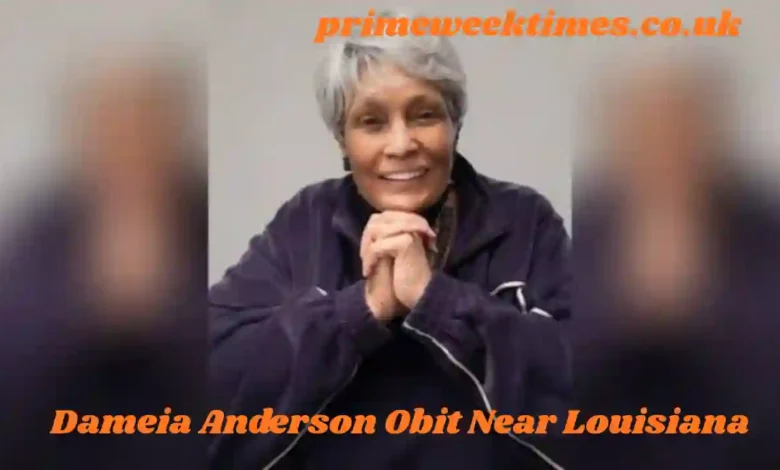
Introduction: Understanding Dameia Anderson Obit Near Louisiana
The search for Dameia Anderson Obit Near Louisiana reflects an interest in learning more about a person, understanding the circumstances surrounding an obituary, and finding meaningful information about a possible connection to Louisiana. When someone searches for an obituary, they are often looking for more than a name or a date. They may want to understand a person’s background, discover information about their family, learn about their community connections, or find a respectful tribute that preserves their memory.
An obituary is an important part of remembering a person’s life. It provides an opportunity to recognize personal relationships, professional experiences, family connections, and the moments that made an individual’s journey meaningful. For families and friends, an obituary can also become a lasting record that future generations can revisit.
However, publicly available information about Dameia Anderson is limited, and the available online articles do not provide consistent, independently verified biographical details. Some websites describe different backgrounds and accomplishments without providing reliable supporting documentation. Therefore, it would be inappropriate to present unconfirmed personal details, family relationships, employment history, or funeral arrangements as established facts.
This article explores the meaning behind the search term Dameia Anderson Obit Near Louisiana, explains how readers can approach obituary information responsibly, and discusses the importance of family history, community connections, remembrance, and reliable public records.
The purpose is to provide a respectful and informative resource without confusing assumptions with verified information.
Dameia Anderson Obit Near Louisiana: Why People Are Searching for Information
Online searches for obituaries often begin when someone hears about a person’s passing or encounters their name through a family member, friend, community announcement, or social media post. In other situations, people may be researching family history and trying to identify an individual connected to a particular location.
The phrase Dameia Anderson Obit Near Louisiana combines a person’s name with a geographic reference. This suggests that searchers may be interested in finding an obituary or memorial notice associated with Louisiana or a nearby community.
There are several possible reasons behind this type of search. Someone may be trying to locate a published obituary, confirm whether an announcement exists, or identify a funeral home that handled memorial arrangements. Others may simply want to understand why the name is appearing in online searches.
It is important to recognize that a search phrase does not establish a person’s location, identity, or death. Similar names can belong to different individuals, and information published on general-interest websites may not always be based on official records.
A careful approach begins with identifying the correct person. Readers should compare available information, including middle initials, approximate dates, family-provided details, and geographic connections, before assuming that an online notice refers to the individual they are researching.
This distinction is especially important when dealing with personal information. An inaccurate obituary can cause confusion and distress for relatives, friends, and other people who may recognize the name.
Understanding the Importance of an Obituary
An obituary is more than a formal announcement. It is a written account that can help preserve memories, acknowledge relationships, and communicate important information about a person’s life.
For families, preparing an obituary can be an emotional experience. It often involves selecting the details that best represent the individual while considering the feelings and wishes of relatives. Some families prefer a short announcement, while others choose a longer tribute describing childhood memories, education, career experiences, personal interests, and community involvement.
A meaningful obituary may include several elements:
- The person’s full name.
- Confirmed birth and passing information.
- Important family relationships, when the family wishes to share them.
- Educational and professional experiences.
- Personal interests and memorable experiences.
- Funeral or memorial service details, when publicly announced.
- A message from family members or loved ones.
Not every obituary includes all these details. Privacy preferences, cultural traditions, and family circumstances influence what information is shared publicly.
In the context of Dameia Anderson Obit Near Louisiana, readers should remember that a meaningful tribute must be based on accurate information. It is better to acknowledge that certain details remain unconfirmed than to create a biography using assumptions.
Louisiana and the Role of Local Communities in Remembering Individuals
Louisiana has a rich tradition of community relationships, family gatherings, cultural celebrations, and memorial services. In many communities, remembering someone who has passed away involves more than publishing an announcement. It can include sharing personal stories, gathering with relatives, attending religious services, and supporting those experiencing loss.
The state has diverse communities, including New Orleans, Baton Rouge, Shreveport, Lafayette, Lake Charles, Monroe, and smaller towns throughout the region. Each community has its own traditions and ways of recognizing the lives of individuals who have made meaningful contributions to their families and neighborhoods.
For people researching Dameia Anderson Obit Near Louisiana, the geographic reference may be an important part of their search. However, it should not automatically be interpreted as confirmation that Dameia Anderson lived in Louisiana or passed away there.
A person may have family connections in one state while living somewhere else. Similarly, an obituary may be published in a newspaper serving a particular region even when the individual spent much of their life elsewhere.
Understanding these possibilities helps readers avoid drawing conclusions from incomplete information.
The Importance of Family Connections
Family relationships are often central to obituary announcements. Parents, children, siblings, grandparents, cousins, and extended relatives may all have important roles in preserving someone’s memories.
Family members are also among the most reliable sources for personal stories. They can provide information about childhood experiences, important milestones, family traditions, and meaningful relationships that may never have appeared in public records.
When researching an obituary, readers should give priority to information that comes directly from authorized family announcements or established memorial publications.
Community Memories and Personal Tributes
Communities often remember individuals through personal experiences rather than formal achievements. A neighbor may remember someone’s generosity, a colleague may remember their professionalism, and a longtime friend may recall shared experiences.
These memories can provide a fuller understanding of a person’s influence.
Nevertheless, community tributes should be attributed appropriately. A personal recollection should not automatically be treated as an independently verified historical fact.
How to Find Reliable Dameia Anderson Obit Near Louisiana Information
Finding accurate obituary information requires patience and attention to detail. Search engines can provide many results, but not every page has been prepared using official announcements or reliable records.
Readers searching for Dameia Anderson Obit Near Louisiana can use several research methods to investigate the available information.
1. Check Established Newspaper Obituary Sections
Local newspapers frequently publish obituary announcements and memorial notices. These publications can be useful because they may contain information supplied by families, funeral homes, or authorized representatives.
When searching newspaper archives, use the person’s full name and consider possible variations in spelling. Adding a city, parish, or approximate date can help narrow the results.
It is also useful to distinguish between an obituary written by a newspaper and a contributed death notice. Both can provide valuable information, but their content and editorial processes may differ.
2. Search Funeral Home Announcements
Funeral homes are important sources of memorial information. Many maintain online obituary pages where families can share announcements, service details, photographs, and messages.
If a family has publicly authorized a funeral home announcement, it may provide more specific information than a general search result.
However, readers should not assume that a particular funeral home handled arrangements for Dameia Anderson without confirmation.
3. Consult Louisiana Public Records Resources
Public record resources can help researchers understand historical and genealogical information.
The Louisiana Biography and Obituary Index maintained through LSU Health Sciences Center provides access to historical obituary and biographical material. Its documented coverage includes New Orleans newspaper obituaries and death notices from 1804 through 1972.
The State Library of Louisiana also provides information about newspaper obituary indexes and other historical research resources.
These resources can be particularly helpful for historical investigations, although their coverage does not establish whether a particular contemporary obituary exists.
4. Compare Multiple Sources
One of the most important research practices is comparing information from more than one source.
If an online article mentions a person’s professional background, family relationships, or community activities, readers should look for independent confirmation before repeating those claims.
A reliable research process considers:
- Whether the source identifies the person clearly.
- Whether the information comes from an official announcement.
- Whether dates and locations are consistent.
- Whether another credible publication confirms the details.
- Whether the information appears to have been copied from unrelated websites.
This process reduces the possibility of confusing two people with similar names.
5. Respect Family Privacy
Not every family wants personal information published online. Some families prefer private memorial services, limited announcements, or no public obituary at all.
Respecting those decisions is essential.
People researching Dameia Anderson Obit Near Louisiana should avoid sharing unverified personal information or contacting unrelated individuals based solely on a name appearing in search results.
Why Accurate Personal Information Matters in Obituary Research
Obituary research involves sensitive information. A person’s identity, family relationships, and passing are matters that deserve careful treatment.
Incorrect information can spread quickly when websites repeat statements without checking their original sources. Once published, inaccurate details may be copied by other websites and eventually appear in search results as though they were established facts.
This is particularly concerning when a person’s name is relatively uncommon or when several individuals share the same name.
For example, one website may publish a biography describing a particular career, while another may provide a completely different account. Without supporting documentation, neither version should automatically be considered accurate.
The same issue applies to claims about marriage, children, education, charitable work, awards, and memorial arrangements.
In researching Dameia Anderson Obit Near Louisiana, the responsible approach is to separate three categories of information:
Confirmed information: Details supported by reliable public records, authorized family announcements, or credible reporting.
Unconfirmed information: Statements appearing online without adequate supporting evidence.
Unknown information: Details for which no dependable public documentation has been located.
Keeping these categories separate protects the dignity of the individual and helps readers understand the actual limits of available information.
The Meaning of Preserving Someone’s Memory
Remembering someone is not limited to recording dates and biographical details. Memories can also be preserved through photographs, family stories, personal letters, shared traditions, and accounts of meaningful experiences.
For many families, these materials are valuable because they help younger generations understand their family history.
A photograph may capture an important celebration. A handwritten letter may reveal someone’s personality. A story shared by an older relative may explain a family tradition that would otherwise disappear.
Preserving these memories can become an important family project.
Family Photographs and Personal Memories
Photographs are among the most recognizable ways of preserving personal history. They may document childhood, important family events, celebrations, professional milestones, and everyday experiences.
When families choose to share photographs publicly, captions and dates can provide useful context.
However, photographs should be identified correctly. Images of unrelated individuals should never be presented as pictures of Dameia Anderson simply because their names or appearances seem relevant.
Written Tributes and Personal Messages
Written tributes provide another way to preserve memories. Relatives and friends can record stories that reflect the qualities they personally experienced.
A thoughtful tribute does not need to include dramatic language or unsupported accomplishments. Simple and sincere descriptions can be more meaningful than exaggerated claims.
Preserving Family History for Future Generations
Family history research can help younger generations understand where their relatives lived, how family relationships developed, and which traditions were important to previous generations.
Researchers may organize information using family trees, historical documents, newspaper records, photographs, and interviews with relatives.
For anyone investigating Dameia Anderson Obit Near Louisiana, this broader approach can be useful if the search is connected to genealogy or family history.
Understanding the Difference Between an Obituary and a Memorial Notice
People searching for Dameia Anderson Obit Near Louisiana may encounter different types of memorial-related publications. Understanding the differences can make the research process easier.
An obituary generally provides information about an individual’s life and may include details about family, education, career, and memorial arrangements. It can be written by a newspaper, funeral home, family member, or another authorized contributor.
A death notice is usually shorter. It may simply announce a passing and provide information about funeral arrangements or memorial services.
A memorial tribute focuses more on remembrance. It may include personal reflections, photographs, messages, and stories from people who knew the individual.
A funeral announcement communicates practical details, such as the date, location, and time of a service.
These publications serve different purposes, and their availability depends on family preferences and publication practices.
Why Some Obituaries Are Difficult to Find
There are several reasons why an obituary may not appear in a normal search.
First, the family may have chosen not to publish a public announcement. Second, an announcement may have appeared in a printed newspaper that has not been digitized. Third, the information may be stored in a funeral home’s archive rather than appearing in major search engines.
Spelling differences can also affect search results. A middle name, middle initial, shortened first name, or alternative spelling may produce different results.
Additionally, some online archives have limited geographic and historical coverage.
Therefore, the absence of a searchable obituary does not prove that an individual did or did not pass away. It simply means that the researcher has not located a reliable public record through the sources consulted.
The Importance of Respectful Language When Discussing a Passing
Writing about someone’s passing requires sensitivity. Unlike ordinary informational articles, obituary-related content can affect people who are grieving or trying to understand a difficult family situation.
Writers should avoid sensational headlines, unnecessary speculation, and statements that cannot be supported.
For example, describing someone as a community leader, educator, healthcare professional, or charitable organizer requires reliable evidence. These descriptions should not be included simply because they sound appropriate for an obituary.
Similarly, details about the circumstances of a passing should only be discussed when they have been confirmed through appropriate sources and are relevant to the story.
For Dameia Anderson Obit Near Louisiana, a respectful article should acknowledge the limits of available public information rather than inventing personal experiences or presenting an imagined life story.
Avoiding Confusion Between Individuals
Names are not unique identifiers. Two people can share the same first and last names, and even middle initials may overlap.
When investigating a specific person, researchers should consider additional identifying information only when it is publicly available and appropriate to use.
This might include a confirmed location, a family-authorized announcement, or a reliable publication date.
It is particularly important not to combine information from different people into a single biography.
Protecting the Dignity of Families
Families should be allowed to remember their loved ones in their own way. Some prefer public celebrations of life, while others choose quiet gatherings and private remembrance.
Writers and researchers should avoid treating the absence of public information as an invitation to speculate.
The most meaningful approach is to preserve accuracy, communicate carefully, and respect personal boundaries.
Louisiana’s Cultural Traditions of Remembrance
Louisiana is known for its diverse cultural heritage and strong community traditions. These influences can shape how families remember loved ones and organize memorial gatherings.
Different families may follow religious, cultural, or personal customs when arranging funeral services. Some may organize traditional ceremonies, while others may choose informal gatherings where relatives and friends share memories.
In many communities, food, music, storytelling, and family gatherings are important parts of celebrating a person’s life.
However, these traditions are not universal. Each family makes decisions based on its own beliefs, preferences, and circumstances.
The Role of Family Gatherings
Family gatherings provide opportunities for relatives to reconnect and remember shared experiences.
They can also create a supportive environment for people dealing with grief. Listening to stories, looking through old photographs, and remembering meaningful moments can help families maintain connections across generations.
Community Support During Difficult Times
When a family experiences a loss, neighbors and community members may offer practical and emotional support.
This support can include preparing meals, helping with arrangements, assisting relatives who need transportation, or simply spending time with those who are grieving.
Small gestures can make a meaningful difference during difficult periods.
Remembering Through Acts of Kindness
Some families choose to honor a loved one’s memory by supporting causes or activities that reflect their values.
These efforts might include educational assistance, charitable donations, community volunteering, or helping people experiencing difficult circumstances.
Such initiatives should only be associated with a particular individual when the family or another reliable source confirms the connection.
How to Write a Meaningful Obituary
Writing an obituary is a responsibility that requires both accuracy and compassion. A good obituary should communicate important information while presenting a respectful picture of the individual.
For families preparing an obituary, the following structure can provide a useful starting point.
Begin With Confirmed Basic Details
Start with the person’s full name and any dates the family wishes to share. Include geographic information only when it has been confirmed.
Avoid guessing about birthplaces, residences, or dates.
Describe Important Life Experiences
The next section can discuss education, professional experiences, personal interests, and significant milestones.
These details should reflect the person’s actual life rather than general descriptions that could apply to anyone.
Recognize Family and Relationships
Family members may be mentioned when appropriate and with their permission.
Some families prefer to list relatives, while others choose a more general description of important relationships.
Include Memorial Information When Available
If the family has publicly announced a funeral or memorial service, the obituary can include the relevant details.
If arrangements are private or have not been announced, writers should not create or assume them.
Finish With a Respectful Message
An obituary can conclude with a reflection on the person’s life, a family message, or a statement recognizing the importance of remembrance.
The goal is not to make the person appear perfect. It is to communicate their story honestly and respectfully.
Dameia Anderson Obit Near Louisiana: What Readers Should Know About Online Information
The internet has changed how people find and share obituary information. In the past, individuals often depended on local newspapers, funeral homes, and community announcements. Today, search engines can display information from numerous websites within seconds.
This convenience also creates challenges.
Some websites publish articles around popular search phrases without clearly identifying their original sources. Others repeat information from earlier articles without conducting additional research.
A search for Dameia Anderson Obit Near Louisiana illustrates why readers should evaluate the credibility of information before accepting it.
The appearance of an article in search results does not automatically mean that its claims have been verified.
Checking the Publication Date
Publication dates can help readers understand when information appeared online.
However, an article’s publication date is not necessarily the date of an individual’s passing. These are two separate details and should not be confused.
Readers should also check whether an article has been updated and whether its information reflects an original announcement or a later summary.
Identifying the Original Source
When a website makes specific claims, it is useful to identify where those details originated.
An official family announcement, funeral home publication, or established newspaper report provides a stronger foundation than an unattributed article.
If an article does not identify its sources, its claims should be treated cautiously.
Avoiding Repeated Misinformation
Repeated publication does not make an unsupported statement true.
Several websites may use similar wording because they have copied or adapted information from the same original article.
Researchers should look for independent confirmation rather than counting how many websites repeat a particular claim.
The Emotional Importance of Remembering Loved Ones
Losing someone can affect family members, friends, and entire communities. Everyone experiences grief differently, and there is no single correct way to process the emotions associated with loss.
For some people, remembering a loved one involves revisiting photographs and personal belongings. Others find comfort in talking with relatives, attending memorial gatherings, or participating in activities that celebrate the person’s influence.
Memories can also become an important source of connection between generations. Children and grandchildren may learn about relatives they never had the opportunity to meet through family stories and historical records.
Keeping Memories Alive
Preserving memories does not require expensive arrangements or elaborate projects. Families can begin with simple activities, such as organizing photographs, recording stories, collecting letters, and documenting important family events.
These efforts can create a valuable collection of personal history.
Supporting People Experiencing Grief
People who are grieving may appreciate patience, understanding, and practical assistance.
Friends and relatives can offer support by listening without judgment, respecting individual preferences, and avoiding pressure to discuss painful experiences.
Remembering someone should also involve respecting the feelings of those who were closest to them.
Frequently Asked Questions About Dameia Anderson Obit Near Louisiana
1. What Does Dameia Anderson Obit Near Louisiana Mean?
Dameia Anderson Obit Near Louisiana is a search phrase used by people looking for obituary-related information about someone named Dameia Anderson with a possible connection to Louisiana. The phrase itself does not establish a confirmed location or death announcement.
2. Is There a Verified Obituary for Dameia Anderson in Louisiana?
Publicly available search results include websites discussing Dameia Anderson and an alleged obituary. However, the available articles do not provide sufficient independently verified information to establish the person’s biography or confirm the reported details. An official family announcement or reliable funeral home record would provide stronger confirmation.
3. Where Can Readers Search for Dameia Anderson Obit Near Louisiana?
Readers can investigate established newspaper obituary sections, funeral home announcements, genealogical archives, and Louisiana public research resources. Comparing multiple reliable sources can help establish whether a particular announcement refers to the correct individual.
4. Why Is It Important to Verify Obituary Information?
Verification helps prevent mistaken identities, inaccurate family information, and misleading claims about someone’s life. It is especially important because several people may share similar names, and online articles do not always provide reliable supporting evidence.
5. Does Louisiana Have Historical Obituary Records?
Yes. Louisiana has several historical research resources, including the Louisiana Biography and Obituary Index associated with LSU Health Sciences Center. The State Library of Louisiana also provides information about newspaper obituary indexes and historical records.
6. What Information Should a Reliable Obituary Include?
A reliable obituary may include a person’s full name, confirmed dates, family relationships, life experiences, professional background, and memorial arrangements. The exact information depends on what the family chooses to share.
7. Can an Online Article Confirm Someone’s Passing?
Not necessarily. An online article should be evaluated according to its source, supporting documentation, and credibility. An official family announcement, established newspaper report, or authorized funeral home notice offers stronger confirmation.
8. Why Might an Obituary Not Appear in Search Results?
An obituary may not appear because the family chose a private announcement, the notice was published in a printed newspaper, the archive is not digitized, or the person’s name is recorded differently.
9. How Can Families Preserve a Loved One’s Memory?
Families can preserve memories through photographs, written tributes, personal letters, family histories, memorial gatherings, and charitable activities. These efforts help future generations understand the experiences and relationships that shaped their family’s history.
10. Is Dameia Anderson’s Family or Professional Background Publicly Confirmed?
The available online material does not provide enough reliable documentation to establish specific family relationships, educational achievements, professional experiences, or community activities. Such details should be confirmed through appropriate sources before being presented as facts.
Conclusion: Dameia Anderson Obit Near Louisiana and the Value of Accurate Remembrance
The search for Dameia Anderson Obit Near Louisiana highlights the importance of obituary research, personal remembrance, and reliable information. People searching for this phrase may be interested in finding a memorial announcement, understanding a possible Louisiana connection, or learning more about an individual whose name has appeared online.
ALSO READ : Meldadel Mugshot: The Viral Image, Online Controversy, and What the Search Results Really Reveal