
Parfû: Exploring the Meaning, Art, History, and Timeless Appeal of Fragrance
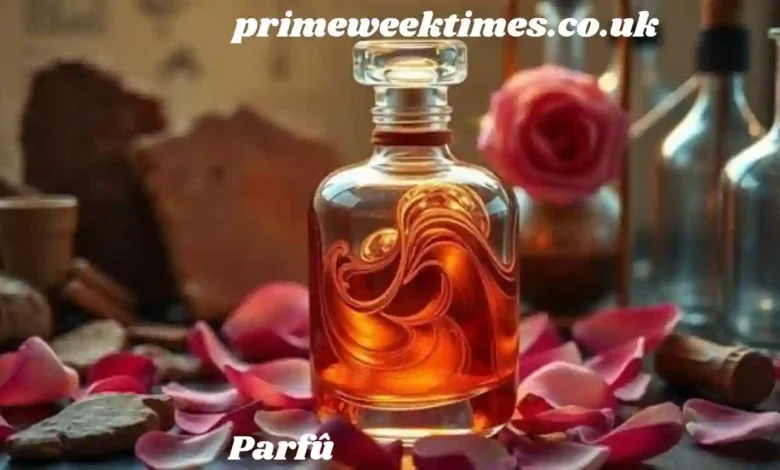
Introduction to Parfû and the World of Fragrance
Parfû is an intriguing term associated with the world of fragrance, personal expression, and the art of creating memorable scents. Although the spelling is less common than the traditional word parfum, it attracts attention because of its distinctive appearance and connection with perfume culture. Fragrance has been an important part of human life for centuries, serving purposes that extend beyond personal grooming. From everyday routines to cultural celebrations, special occasions, and traditional practices, pleasant scents have maintained a meaningful place in different societies. Parfû can be explored through this broader fragrance culture, where aromas become a way of expressing personality, creating memories, and developing an individual sense of style.
The appeal of fragrance comes from its ability to create an experience without requiring words or visual communication. A particular scent can remind someone of a memorable journey, a familiar place, a special person, or an important moment. Some fragrances provide a refreshing feeling, while others create an atmosphere of warmth, comfort, elegance, or mystery. This emotional connection makes perfume more than an ordinary cosmetic product. When discussing Parfû, it is useful to understand how fragrance combines artistic creativity, scientific knowledge, cultural traditions, and personal preferences to produce distinctive aromatic experiences.
What Is Parfû? Understanding Its Meaning and Concept
Parfû is a stylized term connected with parfum, the French word commonly associated with perfume and fragrance. Its unusual spelling gives it a distinctive visual identity, making it an interesting keyword within online discussions about beauty, personal care, and fragrance. However, it is important to distinguish between a recognizable fragrance-related expression and an officially established perfume brand. The term does not have one universally accepted technical definition in the fragrance industry.
The broader concept of Parfû can be understood by examining the different elements that make perfume meaningful. These include the selection of aromatic ingredients, the combination of fragrance notes, the concentration of scented materials, the design of the bottle, and the experience created when someone wears a particular scent. Every perfume has its own character, and different combinations can produce completely different results.
For example, a fragrance containing citrus and green notes may feel fresh, energetic, and suitable for everyday activities. A composition built around vanilla, amber, and woods may create a warmer and richer experience. Floral combinations can communicate softness and elegance, while spicy and smoky fragrances often provide a deeper personality. These differences demonstrate how fragrance can become an important element of individual expression.
The Historical Background of Perfume and Parfû Culture
The history of perfume reaches back thousands of years. Ancient civilizations used aromatic materials for religious ceremonies, personal decoration, traditional medicine, and everyday cultural practices. Flowers, herbs, resins, spices, and fragrant oils were among the materials that contributed to early fragrance traditions. Although modern perfume manufacturing is considerably more advanced, many of its fundamental principles developed through these historical practices.
Ancient Egypt is particularly well known for its use of aromatic substances. Fragrant oils and resins appeared in religious ceremonies, personal grooming, and burial traditions. Pleasant aromas were associated with cleanliness, beauty, and spiritual practices. Fragrance was not simply an optional luxury but an important part of cultural and ceremonial life.
Ancient Greek and Roman societies also developed strong relationships with perfume. Aromatic oils were used during bathing, social gatherings, and personal grooming. Trade networks helped introduce new materials and techniques, allowing different cultures to exchange knowledge about fragrant plants, spices, and oils.
Over time, perfume-making techniques became increasingly sophisticated. Improvements in distillation, extraction, storage, and blending allowed artisans to experiment with a wider variety of ingredients. The fragrance industry gradually developed into a specialized field combining craftsmanship and commercial production. Modern discussions surrounding Parfû can be connected to this long history of human interest in pleasant aromas.
The Art and Science Behind Parfû
Creating a memorable fragrance requires more than mixing several ingredients together. Perfumery involves artistic judgment, technical knowledge, experimentation, and an understanding of how aromatic materials behave. Professional perfumers study the characteristics of individual ingredients and learn how different combinations interact with one another.
Some ingredients provide immediate freshness, while others develop slowly and remain noticeable for longer periods. Certain materials create softness and balance, whereas others add intensity, sweetness, or depth. The challenge is to bring these elements together in a way that creates a balanced composition.
The scientific side of perfumery includes understanding evaporation, volatility, molecular structure, and the interaction between fragrance ingredients. These factors influence how a scent develops after application. The same fragrance can also smell slightly different depending on the environment, skin characteristics, temperature, and individual perception.
The artistic side is equally important. A perfumer must decide what atmosphere a composition should communicate. It might represent a fresh morning, a garden after rainfall, a warm evening, or the atmosphere of a traditional celebration. This combination of science and imagination is one of the most fascinating aspects of fragrance culture.
Understanding the Three Main Fragrance Notes
One of the most important concepts in perfume appreciation is the structure of fragrance notes. Many perfumes develop gradually, revealing different aromatic characteristics over time. These stages are commonly described as top notes, heart notes, and base notes.
Top Notes: The First Impression
Top notes are generally the first aromas people notice after applying perfume. They are often fresh, light, and relatively quick to evaporate. Common examples include lemon, bergamot, orange, grapefruit, and certain aromatic herbs.
These ingredients help establish the initial character of a fragrance. A perfume with bright citrus top notes may feel refreshing and energetic, making it attractive to people who prefer clean and lively aromas. However, the opening impression does not necessarily represent the complete fragrance because other ingredients become more noticeable as time passes.
Heart Notes: The Character of the Fragrance
Heart notes emerge as the opening ingredients begin to fade. They form the central character of the fragrance and often determine its overall personality.
Floral ingredients such as rose, jasmine, lavender, and ylang-ylang are frequently used in this stage. Fruity, spicy, and aromatic materials may also contribute to the heart of a perfume. These notes connect the initial freshness with the deeper elements that develop later.
Heart notes are particularly important because they help create the identity of a fragrance. They can make a perfume feel romantic, sophisticated, energetic, comforting, or elegant.
Base Notes: Depth and Lasting Character
Base notes provide depth and support to a fragrance composition. They generally become more noticeable as the lighter ingredients evaporate.
Common base materials include sandalwood, cedarwood, patchouli, vanilla, musk, and amber accords. These ingredients can create warmth, richness, softness, and complexity. They also contribute to the lasting impression of many perfumes.
The relationship between top, heart, and base notes is essential to understanding the craftsmanship associated with Parfû and modern perfumery.
Different Fragrance Families and Their Characteristics
Perfumes are commonly grouped into fragrance families according to their dominant aromatic characteristics. Understanding these categories makes it easier to identify personal preferences and select suitable scents.
Floral Fragrances
Floral fragrances are among the most recognizable categories in the perfume industry. They feature aromas inspired by flowers, including rose, jasmine, violet, peony, and gardenia.
Some floral compositions are light and delicate, while others are rich, sweet, and intense. They are frequently associated with elegance, softness, and romantic expression. Floral fragrances can be suitable for everyday wear, social gatherings, and formal occasions, depending on their composition.
Citrus Fragrances
Citrus fragrances are known for their bright and refreshing character. Ingredients such as lemon, bergamot, mandarin, grapefruit, and orange provide energetic openings.
These scents are often attractive during warmer weather because they create a clean and uplifting impression. Citrus compositions can also be combined with woods, herbs, and aromatic ingredients to produce more complex fragrances.
Woody Fragrances
Woody perfumes feature ingredients such as sandalwood, cedarwood, vetiver, and patchouli. Their character can range from smooth and creamy to dry, earthy, and smoky.
People who enjoy deeper and more sophisticated aromas often appreciate this fragrance family. Woody compositions can work well during cooler weather, evening activities, and formal occasions.
Oriental and Amber-Inspired Fragrances
Warm fragrances featuring amber accords, spices, vanilla, resins, and woods are often associated with richness and depth. They can create a comforting and luxurious atmosphere.
These compositions are popular among people who prefer noticeable scents with a warm personality. Their intensity varies depending on the ingredients and overall formulation.
Fresh and Aquatic Fragrances
Fresh and aquatic fragrances are designed to create clean, airy, and refreshing impressions. They may include marine accords, green notes, citrus ingredients, and aromatic materials.
They are often selected for casual activities, daytime use, and warmer seasons. Their versatility makes them a popular choice for people who prefer understated fragrance styles.
Natural and Synthetic Ingredients in Parfû
The ingredients used in perfume production can come from natural sources, synthetic manufacturing processes, or combinations of both. Natural aromatic materials are obtained from flowers, fruits, leaves, roots, woods, resins, and other botanical sources.
Essential oils are among the best-known natural fragrance materials. They can be extracted through methods such as steam distillation and cold pressing. Other extraction techniques are used for delicate ingredients that may not tolerate high temperatures.
Synthetic fragrance materials have also become essential to modern perfumery. They allow perfumers to create consistent aromatic effects, reproduce certain scents, and develop compositions that would be difficult or expensive to produce using natural ingredients alone.
It is a common misconception that natural ingredients are automatically safer or better than synthetic ones. Both categories can contain substances that cause irritation or allergic reactions in some individuals. Product formulation, ingredient quality, concentration, and appropriate use are important considerations.
Modern perfume creation frequently combines natural and synthetic materials to achieve the desired balance, performance, and aromatic character.
How to Choose the Right Parfû Fragrance
Choosing a fragrance is a personal process because everyone experiences scents differently. A perfume that feels beautiful to one person might seem too strong, sweet, or unusual to another. Personal preference should therefore remain the most important factor when selecting a fragrance.
The first step is identifying the types of aromas that feel comfortable and appealing. Some people enjoy citrus and fresh compositions, while others prefer floral, woody, spicy, or warm fragrances. Exploring different fragrance families can help narrow down the available choices.
The intended occasion is another important consideration. A light and refreshing fragrance may be appropriate for school, work, or casual daytime activities. A richer composition might be more suitable for an evening gathering or formal celebration.
It is also helpful to test a perfume before purchasing a full-sized bottle. Applying a small amount to the skin and allowing it to develop provides a better understanding of its complete character. Smelling a fragrance immediately after application may not reveal how it will smell several hours later.
Price should not be the only deciding factor. An expensive bottle does not automatically guarantee that a fragrance will match someone’s preferences. Quality, comfort, formulation, and personal enjoyment matter considerably more.
The Importance of Fragrance Concentration
Perfumes are available in different concentration categories. These classifications generally describe the proportion of aromatic materials in a fragrance formula, although exact percentages and performance vary between products and manufacturers.
Eau de Cologne is generally a lighter fragrance category, commonly associated with fresh and refreshing compositions. Eau de Toilette usually offers a moderate concentration and is widely used for everyday fragrances.
Eau de Parfum generally contains a higher proportion of aromatic materials than Eau de Toilette. It is frequently selected by people who prefer a more noticeable fragrance experience.
Extrait de Parfum, also called perfume extract, is generally among the more concentrated fragrance formats. Its richness and performance depend on the individual formulation rather than concentration alone.
Understanding these differences helps consumers make informed decisions. A higher concentration does not guarantee that a fragrance will last longer on every person’s skin. Ingredients, application, storage conditions, and environmental factors also influence performance.
Parfû and Personal Identity
Fragrance can become an important part of personal identity. People often develop preferences for particular aromatic styles because these scents reflect their personalities, memories, and lifestyles.
Someone who enjoys outdoor activities might prefer fresh, green, or citrus fragrances. Another person may appreciate woody and warm compositions because they find them comforting and sophisticated. Floral and powdery fragrances may appeal to individuals who enjoy softer and more delicate aromas.
A signature fragrance is a scent that someone repeatedly chooses because it feels familiar and personally meaningful. It can become associated with particular memories and experiences. Over time, friends and family members may even recognize someone through their preferred fragrance.
However, fragrance should never be treated as a requirement for having a particular personality or social identity. It is simply another form of self-expression, and there is no single scent that everyone needs to wear.
The Cultural Importance of Fragrance Around the World
Fragrance traditions differ across cultures, but pleasant aromas have remained important in many societies. In the Middle East, aromatic oils, incense, oud, and bakhoor have long been associated with hospitality, celebrations, and traditional grooming practices.
In South Asia, perfumes and fragrant oils are also connected with cultural occasions, weddings, religious gatherings, and personal care. Rose, sandalwood, jasmine, and traditional attar compositions are appreciated for their distinctive aromatic qualities.
European perfume traditions have contributed significantly to modern commercial perfumery. French fragrance houses, in particular, have played an influential role in the development of luxury perfume manufacturing and international fragrance design.
Other regions have their own distinctive traditions involving aromatic woods, flowers, herbs, and natural oils. These practices demonstrate that fragrance is not limited to one country, community, or lifestyle.
The wider concept of Parfû provides an opportunity to explore how different cultures use scents to communicate hospitality, beauty, celebration, and personal expression.
How to Apply Parfû for a Better Fragrance Experience
Applying perfume correctly can help create a more comfortable and balanced fragrance experience. One common approach is to apply a small amount to pulse points, including the wrists, sides of the neck, and areas behind the ears.
These areas are often used because they are associated with warmth from the body’s circulation. However, perfume can also be applied to other suitable areas according to the product instructions.
It is generally better to begin with a small amount rather than applying too much. A fragrance that smells pleasant at a moderate level can become overwhelming when heavily applied, especially in enclosed spaces.
People with sensitive skin should pay attention to product instructions and avoid applying fragrance to irritated or damaged skin. It is also advisable to avoid direct contact with the eyes and other sensitive areas.
Rubbing the wrists together after application is another common habit, but allowing the fragrance to settle naturally is a simple alternative. Different formulations behave differently, so following the manufacturer’s guidance is always sensible.
Understanding Fragrance Longevity and Projection
Two important terms in perfume discussions are longevity and projection. Although they are related, they describe different characteristics.
Longevity refers to how long a fragrance remains noticeable after application. Some perfumes disappear relatively quickly, while others remain detectable for many hours. The result depends on the formulation, ingredients, skin characteristics, and environmental conditions.
Projection describes how far a fragrance can be noticed from the person wearing it. A perfume with strong projection may be noticeable to people nearby, while a softer fragrance stays closer to the skin.
Sillage is another commonly used term. It describes the scented trail that a fragrance leaves behind as someone moves.
These characteristics are important when selecting a perfume because different environments require different levels of intensity. A subtle fragrance may be more comfortable in an office or classroom, while a stronger composition might be preferred for an outdoor gathering.
The Role of Perfume Packaging and Presentation
Packaging plays an important role in the fragrance industry. A perfume bottle is not merely a container; it is also part of the product’s visual presentation and identity.
Glass bottles are particularly common because they provide an attractive way to display fragrances while offering suitable storage when properly designed. Some bottles feature minimalist shapes, while others include decorative caps, distinctive colours, and detailed finishes.
Packaging can communicate the personality of a fragrance before someone even smells it. A simple transparent bottle may suggest freshness and minimalism, whereas a dark glass bottle with metallic details might communicate richness and sophistication.
Presentation also matters when perfumes are purchased as gifts. Attractive packaging can make a fragrance feel more special during birthdays, anniversaries, holidays, and other celebrations.
Nevertheless, the quality of the fragrance itself should remain more important than decorative packaging. An attractive bottle cannot compensate for a poorly formulated product.
Proper Storage and Care of Parfû
Proper storage helps maintain the quality of perfume over time. Fragrances can be affected by heat, direct sunlight, air exposure, and changes in temperature.
One of the simplest recommendations is to keep perfume in a cool, dry place away from direct sunlight. A bedroom drawer or suitable cupboard is generally a better option than a windowsill or an area close to a heater.
Keeping the original bottle closed when it is not being used can also help limit unnecessary exposure to air. Excessive temperature changes should be avoided because they may affect the stability of certain ingredients.
Bathrooms are not always ideal storage locations because humidity and temperature can fluctuate considerably. A consistently cool storage environment is generally preferable.
Consumers should also pay attention to changes in colour, smell, or appearance. These changes can sometimes indicate that a fragrance has deteriorated. Following the manufacturer’s storage instructions is the best approach.
Fragrance, Memories, and Emotional Experiences
One of the most interesting qualities of perfume is its relationship with memory and emotion. Smell is closely connected with brain systems involved in processing memories and emotional experiences. This helps explain why a familiar fragrance can sometimes bring back vivid memories of earlier events.
A floral scent might remind someone of a garden they visited during childhood. A particular woody aroma could bring back memories of a family home or a traditional celebration. A fresh citrus fragrance might remind someone of summer holidays or an enjoyable outdoor experience.
These associations are highly personal. The same fragrance can create positive memories for one individual and completely different feelings for another.
This emotional dimension gives perfume a special place in everyday life. It can become connected with meaningful experiences rather than remaining just another item in a personal-care collection.
Modern Fragrance Trends and Changing Consumer Preferences
The fragrance industry continues to evolve as consumer preferences, technology, and manufacturing practices change. Many people are increasingly interested in discovering scents that reflect their individual tastes instead of simply following popular products.
Personalized fragrance experiences have become an interesting area of development. Some businesses offer consultations, sample collections, or customized fragrance combinations that allow customers to explore different aromatic directions.
Minimalist fragrances are also attractive to people who prefer subtle scents that can be worn in different environments. At the same time, rich compositions featuring oud, amber, vanilla, and woods continue to appeal to consumers who enjoy more noticeable aromas.
Another important development is growing interest in ingredient transparency and responsible manufacturing. Consumers may want to understand where fragrance materials come from, how products are tested, and what environmental considerations are involved in production.
These developments demonstrate how the wider world of Parfû and modern perfumery continues to adapt to changing expectations.
Sustainability and Responsibility in the Perfume Industry
Sustainability has become an important discussion within the beauty and fragrance industries. Perfume manufacturing can involve agricultural production, extraction processes, packaging materials, transportation, and waste management.
The sourcing of natural ingredients requires particular attention. Some aromatic materials depend on plants that need careful cultivation and responsible harvesting. Excessive demand for certain natural resources can create environmental pressure.
Synthetic ingredients can sometimes provide alternatives to materials that are difficult to source sustainably. However, synthetic manufacturing also requires energy, chemical processes, and responsible waste management.
Packaging is another area where improvements can make a difference. Refillable bottles, recyclable materials, reduced packaging, and more efficient manufacturing methods are among the approaches used by different businesses.
Consumers can contribute by avoiding unnecessary purchases, using products responsibly, and selecting brands that provide clear information about their ingredients and manufacturing practices.
Sustainability does not depend on one ingredient or marketing claim. It requires attention to the complete product lifecycle.
Common Mistakes to Avoid When Buying Perfume
Buying fragrance without testing it is one of the most common mistakes consumers make. A perfume may smell attractive on a testing strip but develop differently when applied to the skin.
Another mistake is choosing a product only because it is popular. Personal preferences differ, and a fragrance that receives positive reviews may not suit everyone’s taste.
Some buyers also assume that a higher price guarantees better performance. In reality, price can be influenced by branding, packaging, ingredients, marketing, and distribution costs.
Applying excessive perfume is another issue. Strong fragrances can become uncomfortable for other people, particularly in crowded or enclosed environments.
Consumers should also be careful about counterfeit products. Extremely low prices, suspicious packaging, unclear ingredient information, and unreliable sellers can be warning signs. Purchasing from reputable retailers and checking product authenticity can help reduce unnecessary risks.
Taking time to understand fragrance preferences makes the purchasing process more enjoyable and practical.
The Future of Parfû and the Fragrance Experience
The future of fragrance is likely to involve a combination of traditional craftsmanship and technological innovation. Modern manufacturing methods allow perfumers to explore new ingredients, improve consistency, and develop increasingly sophisticated compositions.
Digital tools may also influence how consumers discover perfumes. Online fragrance consultations, personalized recommendations, and detailed ingredient descriptions can make it easier for buyers to understand products before making a purchase.
Sustainability is expected to remain an important consideration as manufacturers explore responsible ingredient sourcing and more environmentally conscious packaging.
At the same time, traditional fragrance practices are unlikely to lose their importance. Natural aromatic materials, artisanal blending, cultural traditions, and personal memories continue to influence how people appreciate perfume.
The concept of Parfû can therefore be explored as part of a broader conversation about the relationship between fragrance, creativity, identity, and modern lifestyles.
Why Fragrance Remains an Important Part of Everyday Life
Despite changes in fashion, technology, and personal-care trends, fragrance continues to attract people from different backgrounds. One reason is its versatility. A perfume can be selected for a particular occasion, used as part of a daily grooming routine, or kept as a meaningful personal item.
Fragrance also offers a relatively simple way to create a personal atmosphere. A fresh scent can make someone feel ready for the day, while a familiar warm aroma can provide a sense of comfort.
Perfume can also become a thoughtful gift because it allows people to choose something based on another person’s preferences. Although selecting the right fragrance requires some understanding of individual taste, a carefully chosen scent can become a memorable present.
Ultimately, the value of perfume does not depend entirely on price, concentration, or popularity. Its appeal comes from the experience it creates for the person wearing it.
Conclusion: Parfû and the Lasting Appeal of Fragrance
Parfû is an interesting fragrance-related term that opens the door to exploring the history, creativity, and cultural importance of perfume. While the spelling itself is not a universally established technical category or a verified international perfume brand, its connection with the broader concept of parfum makes it relevant to discussions about scents and personal care.
The world of fragrance combines artistic creativity with scientific understanding. From the selection of natural and synthetic ingredients to the development of top, heart, and base notes, every stage contributes to the final aromatic experience. Different fragrance families offer countless possibilities, allowing people to discover scents that match their preferences, lifestyles, and special occasions.
ALSO READ : Small Black Leather Journal 7.34: A Timeless Companion for Writing, Creativity, and Everyday Memories