
Concheer Charger: Features, Charging Technology, Benefits, Compatibility, and Complete User Guide
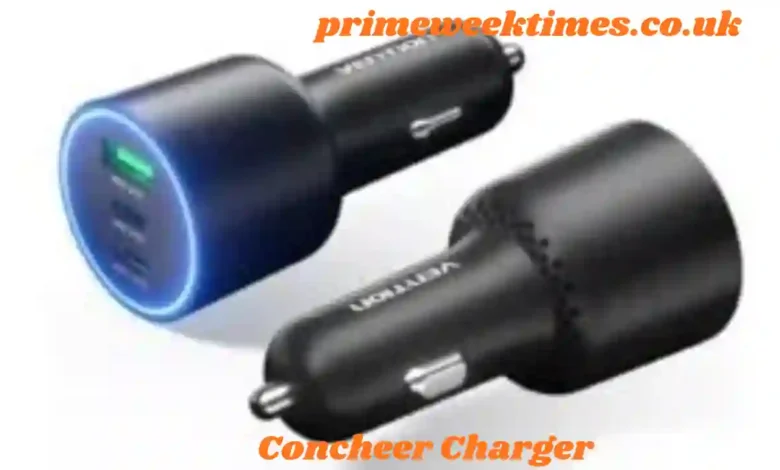
Introduction to Concheer Charger
The Concheer Charger is a name associated with modern charging solutions designed to make powering electronic devices more convenient and efficient. As smartphones, tablets, laptops, wireless accessories, and other electronic products become essential parts of everyday life, having a dependable charging solution is increasingly important. People want chargers that are easy to use, portable, compatible with their devices, and capable of delivering reliable power whenever needed. This growing demand has made charging accessories an important part of the modern technology market.
The Concheer Charger has attracted attention in discussions about convenient charging equipment and modern power accessories. Its name is commonly associated with ideas such as fast charging, multiple-device support, portability, and everyday convenience. However, detailed manufacturer specifications and independently verified technical information are not readily established. Therefore, it is important to distinguish between general charging technology features and specifications officially confirmed for a particular Concheer Charger model.
Understanding how the Concheer Charger is discussed, what features consumers should look for, and how modern charging technology works can help potential buyers make better decisions. A charger is not simply an accessory that connects a device to electricity. It is an important component of a device’s power system, and its quality can influence charging performance, convenience, and electrical safety.
This comprehensive guide explores the Concheer Charger, its potential features, charging capabilities, compatibility considerations, practical applications, maintenance requirements, and important buying considerations. Whether someone is researching the product for the first time or comparing different charging accessories, understanding these subjects provides a useful starting point.
What Is Concheer Charger?
The Concheer Charger is a name used in online discussions about modern charging equipment. The term generally brings attention to a charging accessory intended to provide electrical power to compatible electronic devices. Depending on the particular product being discussed, a charger may include USB connections, a compact power adapter, charging cables, or additional features designed to make everyday charging easier.
Modern chargers come in many different forms. Some are small wall adapters intended for smartphones, while others are larger power adapters designed to support tablets and laptops. Multi-port charging devices are also available for people who need to charge several electronic products from one electrical outlet.
When researching the Concheer Charger, consumers should first identify the exact product model and manufacturer. A product name alone does not establish its maximum output, supported charging protocols, number of ports, or compatibility with specific devices. These details should be confirmed through the product label, packaging, technical documentation, and manufacturer information.
The broader concept behind the Concheer Charger is relevant to people who depend on electronic devices throughout the day. A dependable charging accessory can help users maintain their battery levels, avoid unnecessary interruptions, and manage several electronic products more conveniently.
Understanding the Design of Concheer Charger
The design of a charger plays an important role in its everyday usability. Consumers generally prefer charging accessories that are compact, durable, and easy to carry. A well-designed charger should also provide convenient access to its ports without making cables difficult to connect or disconnect.
When evaluating a Concheer Charger, its physical construction is one of the first things worth examining. The housing should be properly assembled, with no loose sections, exposed electrical components, or signs of poor manufacturing. The charging ports should be securely fitted, and the power connection should remain stable during normal operation.
Size is another important consideration. A compact charging adapter is particularly useful for people who travel frequently, attend school, work in offices, or regularly move between different locations. Smaller chargers can fit inside backpacks, laptop bags, and travel organizers without occupying unnecessary space.
Weight also influences convenience. A lightweight charger is easier to carry alongside smartphones, tablets, and other accessories. However, a smaller design should never be considered proof of better performance. Internal components, electrical protection systems, and manufacturing quality are more important than appearance alone.
The overall design should balance portability, durability, and safe operation. Before purchasing a Concheer Charger, consumers should inspect its construction and compare the physical product with the manufacturer’s documented specifications.
Charging Technology Behind Concheer Charger
Charging technology has developed considerably over the years. Older charging adapters often provided relatively limited power output, while modern chargers can support more advanced charging standards and higher power levels.
USB charging technology is particularly important because it is widely used across smartphones, tablets, headphones, power banks, and other electronic accessories. USB-C has become increasingly common because it offers a reversible connector and supports different power delivery capabilities.
One important technology is USB Power Delivery, commonly known as USB PD. It allows compatible chargers and devices to negotiate suitable voltage and current levels. Rather than delivering the same power to every device, the charging system determines an appropriate power arrangement based on the capabilities of the connected equipment.
Another technology is programmable power supply, or PPS, which is available in certain USB PD implementations. It allows compatible devices and chargers to adjust power delivery more dynamically.
When examining the Concheer Charger, buyers should not automatically assume that it supports USB PD, PPS, or any particular fast-charging protocol. These capabilities must be confirmed through official specifications.
Understanding charging technology is useful because two chargers with similar physical appearances may deliver very different results. The supported protocol, maximum output, cable quality, and device compatibility all contribute to the final charging experience.
Key Features to Consider in Concheer Charger
A modern charging accessory can offer several useful features. However, the availability of these features depends on the actual product model. The following characteristics are important considerations when evaluating the Concheer Charger.
Fast Charging Support
Fast charging is one of the most desirable features in modern charging equipment. It allows compatible devices to receive power at higher rates than conventional low-power adapters.
The actual charging speed depends on several factors, including the charger’s output, the device’s maximum supported input, battery temperature, cable specifications, and charging protocol.
For example, a smartphone designed for 25W charging will not necessarily charge faster when connected to a significantly higher-powered adapter. The phone controls how much power it accepts.
Consumers researching the Concheer Charger should look for a clearly stated wattage rating and supported charging standards instead of relying on general fast-charging descriptions.
Multiple Charging Ports
Multiple charging ports can make a charger more convenient for households, students, and professionals. Instead of using several separate adapters, users may be able to connect different devices to one charging unit.
However, the total power output must be considered. A multi-port charger may distribute its available power between connected devices. Connecting several products simultaneously can reduce the power available to each port.
Before choosing a multi-port Concheer Charger, consumers should check its individual port ratings and total combined output.
USB-A and USB-C Connectivity
USB-A and USB-C are two commonly encountered charging connections.
USB-A remains useful for older cables and accessories, while USB-C offers a reversible connection and supports modern charging capabilities.
A charger featuring both connection types can be convenient for users with different generations of electronic devices. Nevertheless, the presence of a USB-C port does not automatically guarantee USB Power Delivery or high-wattage charging.
Electrical Safety Protection
Safety is one of the most important aspects of any charging accessory. A properly designed charger should incorporate suitable electrical protection mechanisms.
Depending on its design and certification, a charging adapter may include protection against overcurrent, overvoltage, overheating, and short circuits.
These systems help prevent electrical problems during normal operation. Consumers should verify that the specific Concheer Charger model has appropriate safety certifications and manufacturer documentation.
Compact and Portable Construction
Portability is another feature worth considering. A compact charger can be useful for people who frequently travel or carry several electronic accessories.
A practical charging adapter should fit comfortably inside a bag and should not have a construction that makes its electrical connections vulnerable to damage.
Benefits of Using Concheer Charger
A suitable charging accessory can make everyday technology use more convenient. The benefits associated with a modern charger depend on its actual capabilities, but several advantages are worth considering.
Improved Everyday Convenience
One of the biggest advantages of having a reliable charger is convenience. Electronic devices require regular charging, and users often need access to electricity at home, school, offices, and other locations.
A charger that supports the devices a person regularly uses can reduce the need to carry several separate adapters.
For individuals who use smartphones, wireless headphones, tablets, and other USB-powered accessories, an appropriately selected charging solution can make their daily routine easier.
Better Charging Management
A charger with suitable output specifications can help users manage their charging schedules more effectively.
For example, someone who uses a smartphone for work may prefer an adapter that supports the phone’s approved fast-charging standard. This can be useful when the battery needs to be replenished during a short break.
However, charging speed should always be evaluated according to the connected device’s supported limits.
Reduced Cable and Adapter Clutter
A compatible multi-port charger can reduce the number of individual power adapters needed in a workspace.
This can make a desk, bedside table, or travel bag more organized. Users should still avoid exceeding the charger’s total rated capacity.
Greater Flexibility
Different electronic devices have different charging requirements. A suitable charging accessory can provide flexibility when users need to power several compatible products.
This is particularly useful in households where family members own different smartphones, tablets, and other electronic accessories.
Practical Travel Use
Travelers often carry several devices that require regular charging. A compact and properly rated charging adapter can reduce luggage clutter and make it easier to maintain battery levels while away from home.
Before travelling internationally, users should also check the charger’s input-voltage range and ensure that the plug is compatible with the destination’s electrical outlets.
Concheer Charger Compatibility With Electronic Devices
Compatibility is an important consideration when selecting any charging accessory. A charger should match the electrical requirements and connector standards of the device being powered.
Smartphone Compatibility
Smartphones are among the most common devices charged through USB adapters. Android phones and iPhones may support different charging standards, power levels, and cable arrangements.
A charger can physically connect to a smartphone without necessarily supporting its fastest charging speed.
For this reason, consumers should compare the Concheer Charger specifications with their smartphone manufacturer’s recommended charging requirements.
Tablet Compatibility
Tablets usually have larger batteries than smartphones, and some models require higher-power charging adapters.
A charger intended primarily for small accessories may take considerably longer to charge a tablet.
Users should check the recommended wattage and connector requirements before connecting a tablet to a Concheer Charger.
Laptop Compatibility
Some modern laptops support USB-C charging, but their power requirements can be significantly higher than those of smartphones.
For example, certain laptops require 45W, 65W, or higher USB-C Power Delivery adapters.
A charger should only be used for laptop charging if its documented output and supported protocol meet the laptop manufacturer’s requirements.
Wireless Accessories
Wireless earbuds, Bluetooth headphones, smartwatches, and similar accessories often use relatively low-power charging connections.
A compatible USB charging adapter may be suitable for these devices, provided that the accessory’s manufacturer permits its use.
Power Banks
Power banks also require compatible charging input specifications. Their charging time depends on battery capacity, input power, charging protocol, and temperature.
Users should check the power bank’s recommended input rating before connecting it to a Concheer Charger.
How to Choose the Right Concheer Charger
Choosing a charging accessory requires more than comparing product names or advertisements. Buyers should examine the technical information and consider their everyday requirements.
The first step is identifying the devices that need charging. Someone who only needs to charge a smartphone may prefer a simple adapter, while someone with multiple electronic devices may benefit from a multi-port model.
The second step is checking the charger’s output specifications. Wattage is calculated by multiplying voltage by current. For example, 5 volts at 3 amperes provides 15 watts of power.
The third step is examining supported charging protocols. USB Power Delivery, PPS, and proprietary fast-charging systems are not interchangeable in every situation.
Cable quality should also be considered. A cable must support the required power level and charging standard. Some USB-C cables support higher power levels than others.
Finally, buyers should examine warranty coverage, safety certification, manufacturer information, and return policies. These details can provide a clearer picture of product reliability than promotional descriptions alone.
Concheer Charger for Home and Office Use
Home and office environments are among the most common places where people use charging accessories.
At home, a charger may be used beside a bed, on a study table, or in a shared family charging area. A suitable adapter can help users maintain the battery levels of their everyday electronic devices.
In an office environment, charging convenience becomes particularly important for professionals who depend on smartphones, tablets, and laptops throughout the working day.
A properly selected multi-port charging accessory may help reduce the number of adapters occupying electrical outlets.
Cable organization is also important. Charging cables should be arranged to prevent accidental pulling, bending, or damage. The charger should be placed in an area with sufficient ventilation rather than being covered by clothing or other materials.
The Concheer Charger should be evaluated according to the specific electrical requirements of the devices used in these environments.
Using Concheer Charger While Traveling
Travel creates additional charging challenges because users may not always have convenient access to electrical outlets.
A portable charger can be useful for maintaining battery levels during road trips, hotel stays, business travel, and other journeys.
When selecting the Concheer Charger for travel, consumers should consider its size, weight, plug design, and voltage compatibility.
International travelers should pay particular attention to electrical input ratings. A charger marked for a wide input range, such as 100–240V AC at 50/60Hz, may be suitable for different electrical systems when used with the correct plug adapter.
A plug adapter only changes the physical connection. It does not necessarily convert voltage.
Users should also keep their charging accessories protected inside a travel bag. Avoid placing heavy objects on charging adapters or allowing cables to become tightly twisted.
Concheer Charger and Battery Health
Battery health is an important subject for people who use smartphones and other rechargeable electronics.
Most modern smartphones use lithium-ion or lithium-polymer batteries. These batteries gradually lose their original capacity through normal use and aging.
Charging habits can influence battery wear. Heat is particularly important because high temperatures can accelerate battery degradation.
Using a charger with suitable electrical specifications is therefore essential. A compatible device generally manages its own charging process and limits the amount of power it accepts.
Users should avoid exposing their phones to direct sunlight while charging, covering devices with thick materials, or charging them in excessively hot environments.
It is also important to use cables and adapters that meet the manufacturer’s recommendations. A charger should not be selected solely because it advertises a high wattage.
The Concheer Charger, like any other charging accessory, should be assessed according to its verified electrical specifications and compatibility with the connected device.
Safety Tips for Using Concheer Charger
Safe charging practices help protect electronic equipment and reduce unnecessary electrical risks.
First, inspect the charging adapter before every period of regular use. Cracked housing, loose connections, exposed wiring, or damaged plugs are reasons to stop using a charger.
Second, avoid charging devices in wet environments. Water and electricity can create dangerous situations, and charging equipment should always be kept dry.
Third, use suitable charging cables. Damaged cables can create unreliable electrical connections and may cause excessive heating.
Fourth, avoid covering the charger while it is operating. Charging adapters generate some heat, and adequate ventilation helps them operate within their intended temperature range.
Fifth, disconnect a charger if it produces unusual smells, sparks, excessive heat, or unexpected noises. Do not attempt to repair a mains-powered adapter yourself.
Finally, purchase charging accessories from trustworthy sellers and check their safety markings. A professional-looking design does not guarantee that a charger meets appropriate electrical safety standards.
Common Concheer Charger Problems and Possible Solutions
Like other electronic charging accessories, a charging adapter may occasionally experience problems. Understanding common symptoms can help users identify whether the issue is related to the charger, cable, electrical outlet, or connected device.
Concheer Charger Is Not Charging a Device
If a device does not respond after being connected, start by checking the electrical outlet.
Try another suitable outlet and inspect the charging cable for damage. Make sure both ends are securely connected.
If the device still does not charge, test it with a known-compatible charger. This can help determine whether the problem is associated with the charging adapter or the device itself.
Slow Charging Performance
Slow charging can occur for several reasons.
The charger may have insufficient output, the cable may not support the required power level, or the device may not support the charging protocol being used.
Battery temperature and background activity can also influence charging performance.
Check the manufacturer’s recommended charging specifications before assuming that the charger is defective.
Charging Connection Keeps Disconnecting
An unstable charging connection may indicate a damaged cable, loose connector, or contaminated charging port.
Inspect the cable and connector carefully. If the cable is damaged, replace it with an appropriate certified alternative.
Avoid inserting sharp metal objects into charging ports because they can damage internal contacts.
Charger Becomes Excessively Hot
Some warmth during charging is normal. However, excessive heat should never be ignored.
Disconnect the charger if it becomes unusually hot, produces a burning smell, or shows other signs of electrical damage.
Do not continue using a charging adapter that appears unsafe.
Maintaining and Caring for Concheer Charger
Proper maintenance can help extend the useful life of charging accessories.
The charger should be stored in a dry and clean location when it is not being used. Dust should be removed from its exterior using a dry, soft cloth.
Charging cables should be disconnected by holding the connector rather than pulling the cable itself. This helps reduce stress on the internal wiring.
Avoid bending cables sharply near their connectors. Repeated bending can damage the internal conductors and cause intermittent charging problems.
The adapter should also be protected from drops, liquid spills, and unnecessary physical pressure.
When travelling, place the charger inside a protective pouch rather than allowing it to move freely alongside heavy objects.
Regular inspection is particularly important for charging equipment that is used every day. Any signs of damage should be taken seriously.
Concheer Charger Compared With Standard Charging Adapters
Standard charging adapters are available in a wide variety of designs and power ratings. Some offer basic USB charging, while others support modern fast-charging technologies.
The main differences between charging accessories generally involve power output, supported protocols, number of ports, physical construction, safety certifications, and price.
A basic adapter may be sufficient for someone who charges only one smartphone overnight. A higher-powered adapter may be more suitable for a tablet or compatible laptop.
Multi-port chargers can provide additional convenience, but their total power distribution must be understood.
When comparing the Concheer Charger with established charging accessories, buyers should avoid relying on product names or broad advertising statements. A meaningful comparison requires verified technical specifications.
Important comparison points include:
- Maximum supported output in watts.
- Supported voltage and current combinations.
- USB-A and USB-C port availability.
- USB Power Delivery or other supported protocols.
- Total power available when multiple ports are occupied.
- Safety certifications and protection systems.
- Warranty and customer support.
- Overall construction and cable compatibility.
These factors provide a more useful basis for comparing chargers than appearance or promotional claims.
Is Concheer Charger Worth Considering?
Whether the Concheer Charger is worth considering depends on the exact product being offered, its technical specifications, and the user’s charging requirements.
A charger can be a valuable everyday accessory when it offers suitable power delivery, reliable construction, appropriate safety protection, and compatibility with the devices being used.
However, buyers should not assume that a product offers premium performance simply because its description mentions advanced charging technology.
Before making a purchase, confirm the manufacturer’s identity, model number, output ratings, supported protocols, warranty information, and relevant safety certifications.
It is also useful to compare its specifications with those of other established charging accessories.
For people who need a simple smartphone charger, a basic certified adapter may provide everything necessary. Users who regularly charge several devices may benefit from a properly rated multi-port option.
The best decision is one based on documented performance, safety, and value rather than marketing language.
Future of Charging Technology and the Role of Concheer Charger
Charging technology continues to develop as electronic devices become more powerful and consumers expect greater convenience.
USB-C adoption has expanded across many categories of electronics, helping create a more consistent charging experience. USB Power Delivery has also made it possible for compatible chargers to support a wider range of devices.
Gallium nitride, commonly called GaN, is another technology used in certain modern charging adapters. GaN-based components can help manufacturers create smaller and more efficient power adapters for particular applications.
Wireless charging is also becoming increasingly common. It allows compatible devices to receive power without directly connecting a charging cable to the device.
Multi-device charging solutions are another growing area of development. Consumers increasingly want to power smartphones, earbuds, watches, and tablets from a smaller number of charging accessories.
These developments demonstrate how the charging market is changing. The Concheer Charger can be evaluated within this wider technology landscape by examining the actual features and capabilities of the specific product.
Final Thoughts on Concheer Charger
The Concheer Charger is an interesting keyword within the wider category of modern charging accessories. It brings attention to important consumer requirements, including convenient charging, device compatibility, portability, electrical safety, and efficient power delivery.
However, a product’s actual capabilities must always be established through reliable manufacturer documentation. Features such as 100W output, multiple charging ports, USB Power Delivery, intelligent power distribution, and international voltage compatibility should not be treated as confirmed specifications without evidence for the exact model.
For consumers, the most important considerations remain straightforward: choose a charger with suitable output ratings, use compatible cables, check safety certifications, and follow the recommendations of the electronic device manufacturer.
A good charging accessory should make everyday technology use easier without introducing unnecessary electrical risks. Whether someone needs a charger for a smartphone, tablet, laptop, or other compatible device, careful research can help them select an appropriate solution.
Ultimately, understanding the Concheer Charger requires looking beyond its name and examining its verified technical details. With the right information, consumers can make more confident decisions and choose charging equipment that meets their everyday requirements.
Frequently Asked Questions About Concheer Charger
1. What Is Concheer Charger?
Concheer Charger is a name associated with charging accessories and discussions about modern electronic charging solutions. Its exact specifications and manufacturer details should be confirmed for the particular model being researched.
2. Does Concheer Charger Support Fast Charging?
Fast-charging support depends on the exact model, its maximum power output, and the charging protocols it supports. Buyers should check the official specifications before expecting fast-charging performance.
3. Which Devices Can Be Used With Concheer Charger?
Compatibility depends on the charger’s connectors, output ratings, and supported charging standards. Compatible smartphones, tablets, and other electronic accessories may be suitable, provided their manufacturers’ charging requirements are met.
4. Is Concheer Charger Safe to Use?
Safety depends on the quality, construction, and electrical certifications of the actual product. Consumers should purchase from trustworthy sellers and avoid using damaged or uncertified charging adapters.
5. Can Concheer Charger Charge Multiple Devices?
This depends on whether the particular model includes multiple charging ports. If it does, users should check its total power output and individual port ratings before connecting several devices.
6. Is Concheer Charger Suitable for Travel?
A compact charger with an appropriate international voltage rating and compatible plug arrangement may be suitable for travel. Always check the product’s input specifications before using it in another country.
7. How Can I Maintain Concheer Charger?
Keep the charger dry, clean its exterior with a soft cloth, avoid bending cables sharply, and protect it from physical damage. Stop using it if you notice excessive heat, unusual smells, or damaged electrical connections.
8. Does Concheer Charger Work With Laptops?
Laptop compatibility depends on the charger’s power output, connector, and supported charging protocol. Check the laptop manufacturer’s recommended adapter specifications before attempting to charge it.
9. What Should I Check Before Buying Concheer Charger?
Check the manufacturer, exact model number, wattage, voltage, current, charging protocols, available ports, safety certifications, warranty, and seller reliability.
10. Is Concheer Charger Better Than a Standard Charger?
There is not enough verified model-specific information to establish that it is better than standard charging adapters. A fair comparison requires checking documented specifications, safety features, charging performance, and overall value.
ALSO READ : Introduction to GVF90433S Gama Hot Water Heater