
Viburnum Tinus: Complete Guide to Growing, Caring for, Pruning, Flowers, Berries, and Uses
Introduction to Viburnum Tinus
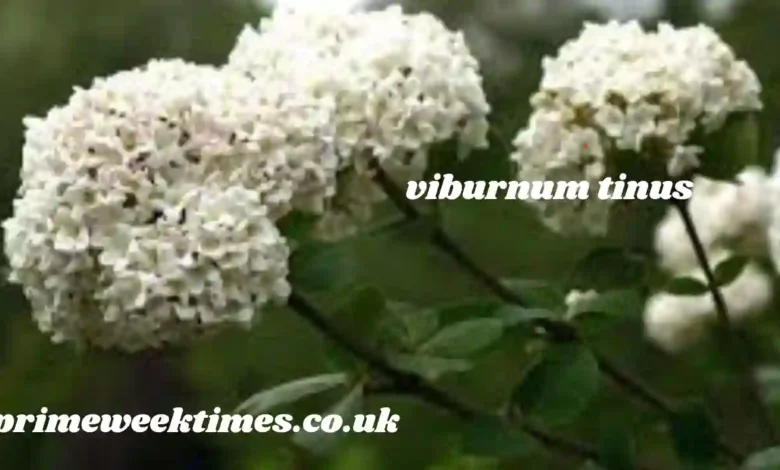
Viburnum tinus is a popular evergreen shrub valued for its attractive foliage, delicate flowers, colorful berries, and ability to provide year-round interest in gardens and landscapes. Unlike many shrubs that become bare during winter, viburnum tinus generally maintains its green leaves throughout the year, making it particularly useful for hedges, borders, screening, foundation planting, and mixed shrub beds. Its combination of attractive appearance and relatively easy care has made viburnum tinus a dependable choice for many gardeners.
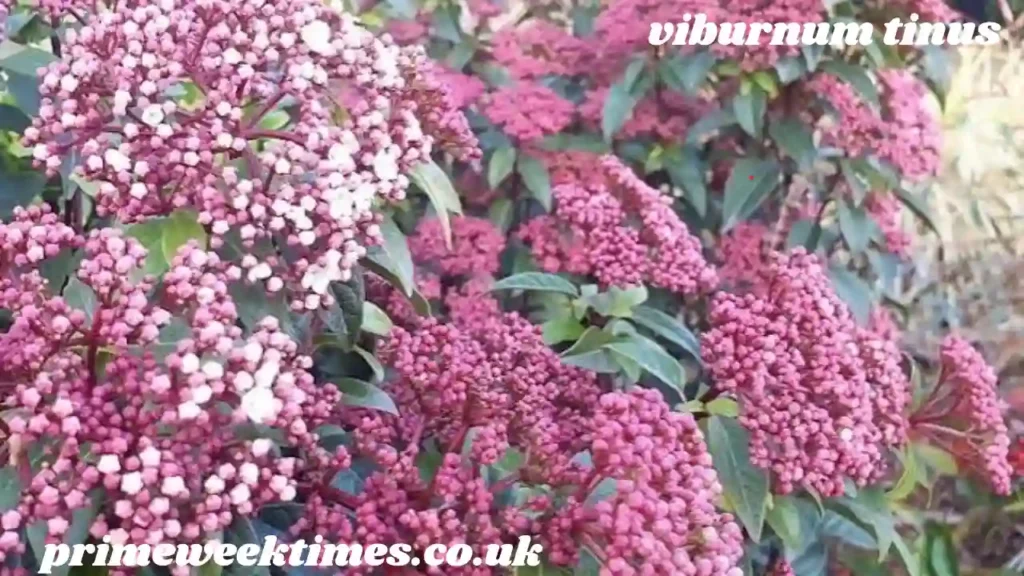
The plant is especially interesting because different parts of its seasonal cycle contribute to its ornamental appeal. During the cooler months, viburnum tinus can produce clusters of flower buds that often have a pinkish or reddish appearance. These buds develop into small, attractive flowers that may range from white to soft pink depending on the stage of flowering and the particular cultivar. After flowering, the plant can produce berries that gradually change color as they mature, adding another decorative feature to the shrub.
One of the major advantages of viburnum tinus is its versatility. It can be grown as a specimen shrub, planted in groups, incorporated into a hedge, or used as part of a larger evergreen planting scheme. It can also tolerate a range of conditions once established, although good soil preparation, adequate moisture, and suitable light will help it develop into a healthier and more attractive plant.
For gardeners interested in a shrub that combines foliage, flowers, and seasonal fruit while requiring relatively straightforward maintenance, viburnum tinus can be an excellent option.
What Is Viburnum Tinus?
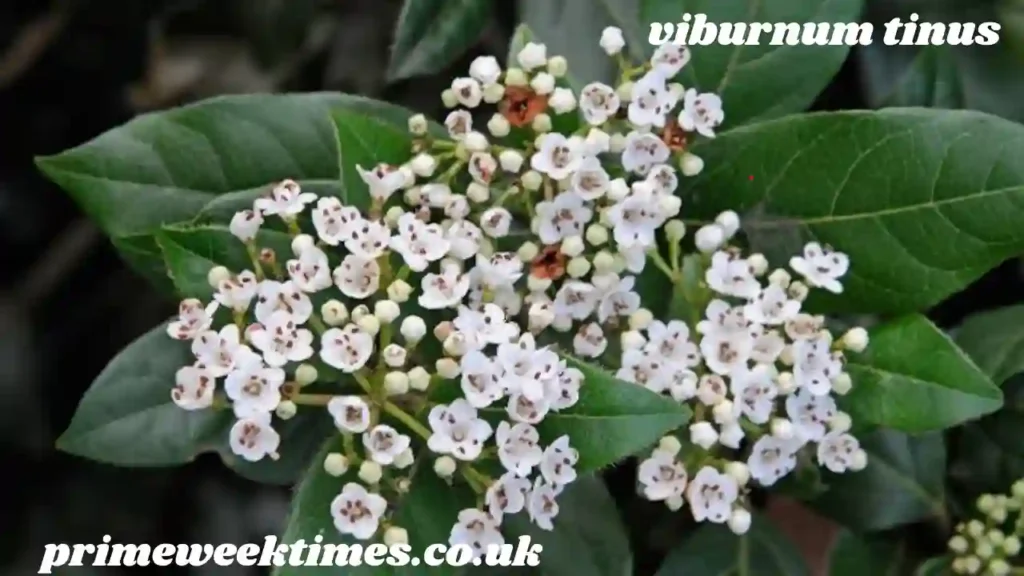
Viburnum tinus is an evergreen shrub belonging to the Viburnum genus. It is commonly grown as an ornamental garden plant because of its dense growth, glossy foliage, flowers, and berries. The shrub can develop into a substantial plant if it is allowed to grow naturally, although its final size depends on growing conditions, cultivar, pruning, and climate.
The leaves of viburnum tinus are typically dark green, oval to somewhat elongated, and relatively thick compared with the leaves of many deciduous shrubs. Their evergreen nature means that they can provide visual structure even when surrounding plants have lost their leaves. This makes viburnum tinus particularly useful in gardens where year-round greenery is important.
Another notable feature is its flowering period. Depending on climate and cultivar, flowering can occur during the cooler part of the year and continue into spring. This timing gives viburnum tinus an advantage because it can provide flowers when many other garden shrubs are relatively inactive.
The berries add another layer of seasonal interest. Following successful flowering and pollination, small fruits may appear and develop over time. Their changing colors can create an attractive contrast against the evergreen foliage.
Viburnum Tinus Appearance and Growth Habit
A mature viburnum tinus usually forms a dense, rounded or upright shrub. Its natural growth habit makes it useful for creating structure in gardens without requiring complicated training. The branches can become quite full, particularly when the plant receives adequate light and has enough room to develop.
The foliage is one of the most important reasons gardeners choose viburnum tinus. Evergreen leaves provide a consistent green background throughout the year. The leaves can also help create a sense of privacy when several plants are grown together.
The flowers are generally arranged in clusters, creating rounded groups of small individual blooms. These flower clusters can stand out against the darker foliage, especially when the plant is flowering heavily.
Viburnum tinus also has an attractive relationship between flowers and berries. A garden may therefore experience several stages of interest from the same plant: flower buds first, open flowers next, followed by developing and mature fruits.
Viburnum Tinus Flowers
The flowers of viburnum tinus are among its most attractive features. Flower clusters are made up of many small blooms that are generally pale, white, or pinkish depending on their development stage and cultivar.
Before the flowers open fully, the buds can provide a noticeable display. Their darker or pinkish tones contrast with the green foliage and make the plant interesting even before peak flowering begins.
Once open, the flowers create a lighter appearance across the shrub. In favorable conditions, a mature plant can produce numerous clusters, making it look particularly attractive during the flowering season.
The flowering period can be influenced by climate, weather, plant age, light levels, and general health. A plant that is stressed by drought, poor soil, or unsuitable growing conditions may not flower as heavily as a healthy specimen.
Viburnum Tinus Berries
After flowering, viburnum tinus can produce small berries. These fruits are another reason the shrub is frequently included in ornamental planting schemes.
The berries may appear in different colors as they develop and mature. Their appearance can contrast beautifully with the dark green leaves, giving the shrub a decorative quality even after its main flowering display has ended.
Berry production depends partly on successful pollination and suitable conditions. Not every plant will necessarily produce the same quantity of fruit every year.
Gardeners should also avoid assuming that attractive berries automatically mean they are suitable for human consumption. Ornamental plants can have fruits that should not be eaten, and viburnum tinus should be treated as a garden ornamental rather than a food-producing shrub.
How to Plant Viburnum Tinus
Planting viburnum tinus correctly can make a major difference to its long-term performance. The first step is choosing an appropriate location. A position with good light and reasonable protection from severe conditions is generally helpful.
The soil should ideally drain well. Although viburnum tinus can tolerate different soil conditions, persistently waterlogged ground can create problems for the roots. Improving heavy soil with suitable organic material can help increase drainage and create a more favorable environment for root development.
When planting, dig a hole that is sufficiently wide for the root system. The plant should be positioned so that it is not buried excessively deeply. After placing the shrub, refill the hole with soil and gently firm it around the roots.
Water the newly planted viburnum tinus thoroughly. During its establishment period, consistent watering can be particularly important. Once the shrub has developed a strong root system, it generally becomes more resilient.
Adding a layer of mulch around the plant can help conserve soil moisture and suppress competing weeds. However, mulch should not be piled directly against the main stems.
Best Soil for Viburnum Tinus
Viburnum tinus is adaptable, but a fertile, well-drained soil generally produces better growth. The ideal soil should retain enough moisture to support the plant while allowing excess water to drain away.
Poor drainage can be especially problematic because constantly wet soil can reduce oxygen around the roots and contribute to root-related problems. If the garden has heavy clay soil, improving its structure before planting can be beneficial.
Organic matter can also improve soil condition. Compost or well-decomposed organic material can increase fertility and improve the overall physical structure of the soil.
A soil test can be useful if the garden has a history of poor plant growth. Instead of automatically adding large quantities of fertilizer or amendments, gardeners can use soil information to make more informed decisions.
Viburnum Tinus Sunlight Requirements
Viburnum tinus generally performs well in full sun to partial shade. The amount of sunlight can influence its flowering, density, and overall appearance.
A location with sufficient light can encourage stronger growth and more abundant flowering. However, partial shade can also be suitable, particularly where the plant is protected from harsh environmental conditions.
If viburnum tinus is planted in deep shade, it may become less dense and produce fewer flowers. Branches may stretch toward available light, resulting in a more open appearance.
For the best ornamental performance, gardeners should consider both sunlight and the local climate when selecting a planting position.
Watering Viburnum Tinus
Watering is particularly important during the establishment phase. Newly planted viburnum tinus needs sufficient moisture while its root system expands into the surrounding soil.
Instead of watering lightly and frequently, deep watering can often encourage roots to explore a larger volume of soil. However, the exact watering schedule should depend on weather, soil type, plant size, and drainage.
During hot or dry periods, established plants may still benefit from additional water. Signs of water stress can include drooping foliage, reduced growth, or premature leaf problems.
At the same time, overwatering should be avoided. Soil that remains constantly saturated can be more harmful than temporary dryness.
Fertilizing Viburnum Tinus
Viburnum tinus generally does not require excessive fertilizer when planted in reasonably fertile soil. Overfertilizing can encourage rapid leafy growth without necessarily improving flowering or overall plant quality.
A balanced, slow-release fertilizer may be appropriate when soil fertility is poor or when the plant shows signs of inadequate nutrition. Organic matter can also contribute to long-term soil fertility.
The most important principle is moderation. Fertilizer should support healthy growth rather than attempt to force the shrub to grow rapidly.
Pruning Viburnum Tinus
Pruning is one of the most useful maintenance practices for viburnum tinus. It can help control size, improve shape, remove damaged growth, and encourage a more attractive structure.
The ideal pruning time depends on the purpose of pruning and the plant’s flowering cycle. Heavy pruning at the wrong time can remove developing flower buds and reduce the following flowering display.
For routine maintenance, gardeners can remove dead, damaged, diseased, or crossing branches. Overgrown plants can be selectively reduced rather than simply cut back indiscriminately.
If a mature viburnum tinus has become too large, renovation pruning may be possible, but it should be approached carefully. Removing too much growth at once can place unnecessary stress on the plant.
Viburnum Tinus as a Hedge
One of the most practical uses for viburnum tinus is as an evergreen hedge. Its dense foliage can create a substantial visual barrier when plants are spaced appropriately.
An established hedge can provide privacy, define property boundaries, divide sections of a garden, or create a background for flowering plants.
Spacing depends on the desired hedge density and the size of the plants being installed. Planting too closely can increase competition for water and nutrients, while excessive spacing can delay the development of a continuous hedge.
Regular pruning can help maintain a neat shape, although gardeners who prefer a more natural appearance can allow the shrub to develop a softer outline.
Viburnum Tinus for Privacy Screening
Because viburnum tinus remains evergreen, it can be useful for screening areas that need year-round coverage. It can be planted near boundaries, patios, seating areas, or other locations where gardeners want additional visual separation.
The shrub does not necessarily create an instant privacy screen. Young plants need time to establish and develop sufficient height and density.
Good planting conditions can speed up healthy development. Adequate moisture, suitable soil, sufficient light, and appropriate feeding can all contribute to stronger growth.
Viburnum Tinus in Containers
Viburnum tinus can also be grown in large containers, particularly when garden space is limited. Container cultivation allows gardeners to place the shrub on patios, terraces, balconies, and other areas.
The container should have adequate drainage holes and be large enough to support the root system. A quality container-growing medium is preferable to ordinary garden soil, which can become compacted.
Plants grown in containers usually require more frequent attention to watering than those planted directly in the ground. During hot weather, containers can dry out quickly.
Container-grown viburnum tinus may also eventually need repotting or root management if the plant becomes root-bound.
Common Viburnum Tinus Problems
Although viburnum tinus is generally considered a robust shrub, it can experience problems related to pests, diseases, environmental stress, and poor growing conditions.
One common cause of poor performance is incorrect watering. Both prolonged drought and excessive moisture can weaken the plant.
Poor air circulation can also contribute to fungal problems, particularly when foliage remains wet for extended periods.
Pests may occasionally affect viburnum tinus. The exact pests vary according to region and growing conditions. Regular inspection makes it easier to notice problems before they become severe.
Yellowing leaves, weak growth, leaf spots, or poor flowering should not automatically be treated with fertilizer or pesticides. Gardeners should first consider whether the plant is receiving appropriate light, water, drainage, and soil conditions.
Viburnum Tinus and Pests
Aphids and other sap-feeding insects can sometimes colonize new shoots and young foliage. Heavy infestations may distort growth or reduce plant vigor.
Regularly examining young stems and the underside of leaves can help identify pest activity early.
Encouraging a healthy garden ecosystem can also be useful because natural predators may help keep some pest populations under control.
Chemical treatments should not be the first response to every minor pest sighting. If intervention becomes necessary, the treatment should be appropriate for the specific pest and used according to its instructions.
Viburnum Tinus Disease Problems
Disease problems can occur when plants are stressed or grown in unfavorable conditions. Excessive moisture, poor drainage, overcrowding, and inadequate air circulation can increase risk.
Leaf spots may appear as discolored patches on foliage. Some diseases can cause premature leaf drop or weakening of affected branches.
Good cultural practices are an important part of prevention. Removing severely damaged plant material, improving air circulation, avoiding unnecessary overhead watering, and maintaining suitable soil conditions can all help.
If a disease is suspected, identifying the actual cause is important because different problems require different solutions.
Viburnum Tinus Winter Care
One of the benefits of viburnum tinus is its evergreen character and ability to provide garden interest during colder months.
However, young plants can be more vulnerable to extreme weather than well-established specimens. Protection may be beneficial in areas where severe cold, strong winds, or sudden temperature changes occur.
Mulching around the root zone can help insulate the soil and reduce rapid temperature fluctuations. The mulch should be kept slightly away from the stems.
In containers, roots can be more exposed to cold because the entire root system is surrounded by above-ground air. Moving containers to a more protected position can therefore be useful during severe weather.
Viburnum Tinus Growth Rate
The growth rate of viburnum tinus varies according to cultivar, climate, soil, moisture, sunlight, and plant age. Under favorable conditions, it can develop into a substantial shrub over time.
Gardeners should avoid expecting newly planted shrubs to immediately reach their mature dimensions. The first period after planting is often focused on root establishment.
Once established, growth can become more consistent. Regular pruning can also influence the shape and density of the plant.
Rather than attempting to maximize growth speed, gardeners should focus on creating healthy conditions. A well-established shrub is usually more valuable than one that has been forced into rapid but weak growth.
Propagating Viburnum Tinus
Viburnum tinus can be propagated using several methods, including cuttings and seed. For gardeners wanting to reproduce a plant with specific characteristics, vegetative propagation is often more predictable than growing from seed.
Cuttings can be taken at appropriate times and encouraged to form roots under suitable conditions. Success depends on the type of cutting, environmental conditions, moisture management, and technique.
Growing from seed can take longer and may not always produce a plant identical to the parent.
Propagation is therefore often best approached as a gardening project rather than a quick method of producing mature shrubs.
Viburnum Tinus Landscape Uses
Viburnum tinus has many landscape applications. It can be used as a standalone specimen, hedge, screen, foundation planting, border shrub, or part of a mixed evergreen garden.
Its year-round foliage makes it useful for adding structure to landscapes that otherwise become visually empty during winter.
The flowers provide seasonal color, while berries add another decorative element later in the year. This combination makes the shrub more versatile than plants that provide interest during only one season.
Viburnum tinus can also be combined with plants having contrasting leaf colors, textures, and flowering periods to create a more dynamic garden design.
Choosing the Right Location for Viburnum Tinus
Choosing the right location is one of the most important decisions when planting viburnum tinus. Consider the plant’s mature size, sunlight requirements, drainage, nearby structures, and intended purpose.
If the goal is a hedge, allow enough room for the plants to develop without becoming excessively crowded.
If the plant is being used as a specimen, give it enough space to display its natural form.
Avoid planting directly against walls or structures unless there is enough room for mature growth and adequate air circulation.
A thoughtful planting position can reduce the need for excessive pruning later.
Viburnum Tinus Maintenance Calendar
Maintenance can be divided across the year. During the growing season, gardeners should monitor watering, inspect foliage, remove weeds, and observe new growth.
After flowering, pruning may be appropriate depending on the plant’s condition and the desired shape.
During dry periods, water should be provided when necessary, especially for young or container-grown specimens.
Before winter, gardeners can check for damaged branches, refresh mulch, and make sure containers are positioned appropriately.
Regular observation is more effective than waiting until the shrub develops a major problem.
Is Viburnum Tinus Easy to Grow?
For many gardeners, viburnum tinus is considered a relatively easy shrub once established. Its adaptability, evergreen foliage, flowers, and ability to tolerate a range of garden situations contribute to its popularity.
However, “easy to grow” does not mean completely maintenance-free. Newly planted shrubs still need appropriate watering and establishment care, while mature plants benefit from occasional pruning and inspection.
The most common problems can often be reduced by choosing an appropriate planting location and avoiding extremes such as severe drought or constantly saturated soil.
Benefits of Growing Viburnum Tinus
There are several reasons to consider viburnum tinus for a garden. Its evergreen foliage provides year-round structure, while flowers offer seasonal interest and berries can add further color.
The shrub is also useful for privacy and screening. When planted in groups, it can form a dense green backdrop.
Its versatility means it can fit into formal and informal landscapes. With careful pruning, it can maintain a controlled appearance, while naturally grown plants can create a softer garden style.
For gardeners who want one plant to contribute to multiple seasons, viburnum tinus is particularly appealing.
Frequently Asked Questions About Viburnum Tinus
What is viburnum tinus?
Viburnum tinus is an evergreen ornamental shrub known for its dark green foliage, clusters of flowers, and decorative berries. It is widely used in gardens for hedges, screening, borders, and specimen planting.
Is viburnum tinus evergreen?
Yes. Viburnum tinus is an evergreen shrub, which means it can retain its foliage throughout the year under suitable growing conditions.
Does viburnum tinus flower in winter?
Viburnum tinus can flower during the cooler months, depending on climate and cultivar. This winter and early-season flowering is one of its attractive characteristics.
Does viburnum tinus produce berries?
Yes. Following flowering and successful pollination, viburnum tinus can produce decorative berries that develop and change appearance as they mature.
Can viburnum tinus grow in shade?
Viburnum tinus can tolerate partial shade, although flowering and growth may be stronger when the plant receives adequate light. Very deep shade can result in weaker, less dense growth.
How often should viburnum tinus be watered?
Newly planted viburnum tinus needs regular watering while it establishes. Established plants are generally more tolerant, but additional water may be needed during prolonged dry or hot periods.
Does viburnum tinus need pruning?
Pruning is not always essential, but it can help maintain shape, remove damaged growth, control size, and improve the plant’s overall appearance.
Can viburnum tinus be grown in a pot?
Yes, viburnum tinus can be grown in a sufficiently large container with good drainage. Container-grown plants require closer attention to watering and may eventually need repotting or root management.
Why is my viburnum tinus not flowering?
Poor flowering can result from insufficient light, environmental stress, unsuitable pruning timing, poor nutrition, drought, or other growing conditions. Reviewing the plant’s location and care routine can help identify the problem.
Is viburnum tinus good for hedges?
Yes. Its evergreen foliage and naturally dense growth make viburnum tinus a useful option for hedges and privacy screens.
Conclusion
Viburnum tinus is a versatile evergreen shrub that can bring structure, foliage, flowers, and seasonal berries to a garden. Its year-round greenery makes it particularly valuable in landscapes where maintaining visual interest during every season is important.
From hedges and privacy screens to borders, containers, and specimen planting, viburnum tinus can serve many different purposes. Its flowers add seasonal beauty, while its berries provide additional ornamental interest. With suitable soil, adequate moisture, good light, and sensible pruning, the shrub can remain attractive and productive for many years.
The key to growing viburnum tinus successfully is not complicated care but consistent attention to basic gardening principles. Choosing the right location, avoiding poor drainage, providing appropriate water during establishment, monitoring for pests and diseases, and pruning at suitable times can all contribute to a healthier plant.
For gardeners looking for a dependable evergreen shrub with multiple seasons of interest, viburnum tinus remains a practical and attractive choice. Its combination of foliage, flowers, fruit, screening ability, and relatively manageable maintenance makes it suitable for a wide variety of garden designs.