Northeast Ctr for Special Care Lake Katrine NY Grand Opening and Healthcare Guide
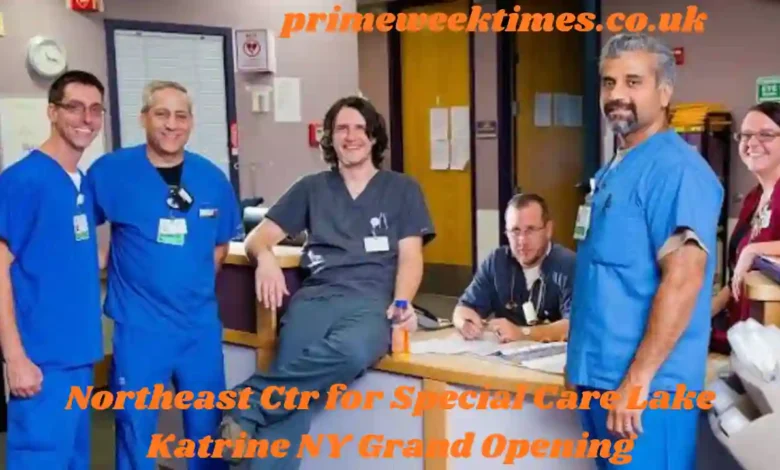
The Northeast Ctr for Special Care Lake Katrine NY Grand Opening is a topic that brings attention to specialized healthcare, rehabilitation services, and the importance of providing professional medical support to individuals with complex health conditions. Located in Lake Katrine, New York, the Northeast Center for Rehabilitation and Brain Injury is a specialized healthcare facility dedicated to supporting people who require extensive medical attention, rehabilitation, and long-term care. Its focus on brain injury recovery, neurological rehabilitation, respiratory care, and complex medical needs makes it an important healthcare resource in the Hudson Valley region.
Healthcare facilities designed for specialized treatment play an essential role in helping patients regain independence and improve their quality of life. While general hospitals provide a wide range of medical services, specialized rehabilitation centers focus on the particular challenges experienced by individuals recovering from serious injuries, neurological conditions, and other complicated medical situations. The Northeast Center represents this specialized approach by combining skilled nursing services, rehabilitation programs, and patient-centered support.
Interest in the Northeast Ctr for Special Care Lake Katrine NY Grand Opening also creates an opportunity to understand the facility’s purpose, its healthcare environment, and the services it provides. Although some online articles discuss a grand opening celebration, independently verified information establishing the exact date and details of a specific grand opening event is limited. Therefore, this article explores the center’s established identity, healthcare mission, specialized programs, and the significance of its presence in Lake Katrine without presenting unverified event details as confirmed facts.
Understanding the Northeast Ctr for Special Care Lake Katrine NY Grand Opening
The Northeast Ctr for Special Care Lake Katrine NY Grand Opening highlights the broader importance of specialized rehabilitation facilities in modern healthcare. The center, also known as Northeast Center for Rehabilitation and Brain Injury, operates at 300 Grant Avenue, Lake Katrine, NY 12449. It focuses on individuals who need specialized treatment for brain injuries, neurological disorders, respiratory complications, and other complex medical conditions.
Unlike ordinary healthcare facilities that primarily concentrate on diagnosis and short-term treatment, specialized rehabilitation centers often support patients through longer recovery journeys. These journeys may involve physical therapy, occupational therapy, speech therapy, respiratory assistance, skilled nursing, and psychological or behavioral support.
The Northeast Center has developed its healthcare identity around providing services for people whose medical and rehabilitation needs require coordinated attention from different healthcare professionals. This type of environment is particularly important for patients who have experienced traumatic brain injuries or serious neurological complications.
The facility’s approach also recognizes that recovery involves more than treating physical symptoms. Patients may need assistance rebuilding communication skills, improving mobility, developing daily routines, and adjusting to changes in their physical or cognitive abilities.
For families, understanding the purpose of a specialized center is an important part of making informed healthcare decisions. A facility that offers several coordinated services can provide a structured environment where different aspects of a patient’s recovery receive attention.
The Location and Healthcare Importance of Lake Katrine, New York
Lake Katrine is a community in Ulster County, New York, situated in the Hudson Valley region. Its location makes it part of a wider network of communities that depend on regional healthcare providers for medical treatment, rehabilitation, and long-term support.
Healthcare access is an important consideration for individuals living in smaller communities. Patients with complicated medical conditions may otherwise need to travel considerable distances to find facilities equipped to provide specialized rehabilitation and nursing services.
The Northeast Center’s location at 300 Grant Avenue gives patients and families in the surrounding region access to a facility focused on complex rehabilitation needs. Its presence also contributes to the broader healthcare environment in Ulster County.
The importance of a specialized center extends beyond the patients receiving treatment. Family members, caregivers, healthcare professionals, and local service providers can all become part of the support network surrounding a patient.
For example, relatives may participate in care discussions, attend meetings with rehabilitation professionals, and learn how to support a loved one after discharge. This communication can help families better understand the recovery process and prepare for responsibilities that may continue outside the healthcare facility.
Lake Katrine’s healthcare environment benefits from facilities that address medical needs requiring more than standard outpatient services. Specialized rehabilitation centers can serve an important role in connecting hospital treatment with longer-term recovery and community reintegration.
The Vision Behind Specialized Rehabilitation and Patient Care
The main purpose of a specialized rehabilitation facility is to help individuals manage complicated medical conditions while working toward the highest possible level of independence.
Brain injuries, spinal cord injuries, neurological disorders, and respiratory complications can affect many aspects of daily life. Depending on the severity of a condition, a patient may experience difficulties with walking, speaking, eating, remembering information, managing emotions, or completing everyday activities.
These challenges often require different types of professional assistance. A rehabilitation plan may involve physicians, nurses, physical therapists, occupational therapists, speech-language pathologists, respiratory therapists, social workers, and other healthcare professionals.
The Northeast Center for Rehabilitation and Brain Injury emphasizes an interdisciplinary approach to specialized care. This means that professionals with different areas of expertise contribute to an individual’s treatment and recovery plan.
Such coordination is particularly valuable when a patient has several medical or functional challenges at the same time.
For example, someone recovering from a serious brain injury may need physical therapy to improve movement, speech therapy to address communication difficulties, and occupational therapy to rebuild practical everyday skills.
The broader vision of rehabilitation is not simply to provide treatment during a patient’s stay. It is also to help individuals develop the abilities and confidence needed to participate in everyday life as independently as possible.
Specialized Brain Injury Rehabilitation Programs
One of the most important areas associated with the Northeast Center is traumatic brain injury rehabilitation.
A traumatic brain injury can occur when an external force damages the brain. Common causes include vehicle accidents, falls, sports-related incidents, and other serious injuries. The effects can vary significantly depending on the nature and severity of the injury.
Some individuals experience physical difficulties, while others face challenges involving memory, attention, communication, emotional regulation, and decision-making.
Recovery can require an extensive rehabilitation process that addresses several different areas simultaneously.
A specialized brain injury rehabilitation program may include the following treatment areas:
- Cognitive rehabilitation: Exercises and activities designed to improve attention, memory, information processing, and problem-solving abilities.
- Physical rehabilitation: Activities that support balance, coordination, mobility, strength, and movement.
- Speech and communication therapy: Treatment designed to address speech, language, and communication difficulties.
- Occupational therapy: Practical exercises that help patients develop the skills needed for everyday activities.
- Behavioral support: Professional assistance for managing emotional changes, behavioral difficulties, and adjustment challenges.
- Social rehabilitation: Activities that encourage communication, relationships, and participation in group environments.
The Northeast Center’s Neuro-Rehabilitation Program is structured around helping individuals address physical, cognitive, and behavioral challenges.
Rehabilitation is generally an ongoing process rather than a single treatment session. Patients may need repeated assessments, adjustments to their treatment goals, and consistent participation in therapeutic activities.
The ultimate objective is to help individuals make meaningful progress according to their individual circumstances and abilities.
The Importance of Neurobehavioral Rehabilitation
Neurobehavioral rehabilitation is another important aspect of specialized brain injury care.
After a serious brain injury, some individuals experience changes in personality, emotional responses, judgment, impulse control, and behavior. These changes can create difficulties for patients and their families, particularly when they affect relationships and everyday activities.
A neurobehavioral rehabilitation environment is designed to address these challenges through structured care and professional supervision.
Patients may benefit from predictable daily routines, individualized assessments, medical oversight, behavioral support, and therapeutic activities.
The Northeast Center has programs intended for individuals who require specialized neurobehavioral assistance following brain injuries. Its Neurobehavioral Intervention services focus on people whose needs may be too complicated for less specialized rehabilitation environments.
An effective treatment approach recognizes that behavioral challenges can have neurological causes and should be addressed through appropriate clinical care.
Professionals may work with patients to identify triggers, improve communication, encourage emotional regulation, and develop healthier ways of responding to difficult situations.
Consistency is especially important in this type of rehabilitation. Patients often benefit from an environment in which caregivers understand their needs and follow coordinated treatment approaches.
Family participation can also be valuable because relatives may need guidance on understanding behavioral changes and supporting a loved one during recovery.
Respiratory Care and Ventilator Support Services
Respiratory care is another major area of specialization associated with the Northeast Center for Rehabilitation and Brain Injury.
Some patients experience serious breathing difficulties following illness, injury, surgery, or neurological complications. These individuals may require mechanical ventilation, respiratory monitoring, tracheostomy care, or other forms of specialized support.
Ventilator-dependent patients often have medical needs that require continuous attention from trained healthcare professionals.
A specialized respiratory care environment can help coordinate the services needed to manage these conditions.
The Northeast Center has a ventilator care and weaning program designed for individuals who require respiratory support. Ventilator weaning refers to the medically supervised process of determining whether a patient can gradually reduce dependence on mechanical breathing assistance.
This process requires careful assessment because every patient’s medical condition is different.
Respiratory professionals may monitor breathing patterns, oxygen levels, respiratory function, and the patient’s response to changes in ventilator support.
Depending on individual needs, treatment may also involve airway management, breathing exercises, pulmonary rehabilitation, and tracheostomy-related care.
The goal is to provide appropriate respiratory support while evaluating opportunities for improved breathing independence whenever medically possible.
Families considering a facility for a ventilator-dependent loved one should understand the importance of qualified respiratory staff, monitoring procedures, emergency preparedness, and communication between medical professionals.
These factors can help families evaluate whether a facility is appropriate for a patient’s particular medical requirements.
Physical Therapy and Improving Everyday Mobility
Physical therapy is an essential component of many rehabilitation programs.
Serious injuries and prolonged hospital stays can affect muscle strength, balance, coordination, endurance, and overall mobility. Some patients may initially require considerable assistance with basic movements, while others may be able to walk but struggle with stability or physical endurance.
Physical therapists develop treatment activities according to each patient’s abilities and rehabilitation goals.
At a specialized rehabilitation facility, physical therapy may include:
- Strength-building exercises.
- Balance and coordination activities.
- Walking and mobility practice.
- Supported standing exercises.
- Transfers between beds, chairs, and wheelchairs.
- Functional movement training.
- Endurance-building activities.
The purpose of these activities is to help patients improve their ability to perform physical tasks safely.
For individuals recovering from traumatic brain injuries, physical therapy may also involve addressing difficulties with movement planning and coordination.
Progress can happen gradually. A patient who initially needs substantial assistance may eventually develop the ability to complete certain activities with less support.
However, rehabilitation outcomes differ from person to person. The severity of an injury, existing health conditions, treatment participation, and other medical factors can influence recovery.
A structured physical therapy program gives patients opportunities to work toward realistic improvements while receiving professional supervision.
Occupational Therapy and Independent Living Skills
Occupational therapy focuses on helping individuals perform practical activities associated with everyday living.
Following a serious injury or neurological condition, even simple tasks can become difficult. Activities such as dressing, preparing food, maintaining personal hygiene, organizing belongings, and managing daily schedules may require additional assistance.
Occupational therapists evaluate these difficulties and develop activities that address a patient’s functional needs.
At a rehabilitation center, occupational therapy may focus on:
- Improving hand coordination and fine motor skills.
- Practicing personal care activities.
- Developing safer movement techniques.
- Using adaptive equipment when appropriate.
- Improving attention and task completion.
- Building confidence with everyday routines.
- Practicing activities that support community participation.
For patients with brain injuries, occupational therapy may also address cognitive challenges that affect daily functioning.
For example, a patient may need help remembering the steps involved in preparing a meal or organizing a daily routine.
Therapists can introduce structured exercises and practical strategies that encourage greater independence.
The value of occupational therapy is that it connects rehabilitation activities with real-life situations. Rather than focusing exclusively on isolated exercises, it helps patients work toward meaningful daily goals.
Speech Therapy and Communication Recovery
Communication is an important part of independence and social participation.
Brain injuries, strokes, and neurological conditions can affect a person’s ability to understand language, express thoughts, pronounce words, or participate in conversations.
Some individuals may also experience swallowing difficulties that require specialized assessment and treatment.
Speech-language pathologists evaluate these challenges and develop appropriate therapy plans.
Speech therapy may include exercises designed to improve:
- Speech clarity and pronunciation.
- Language understanding.
- Vocabulary and word retrieval.
- Conversation skills.
- Memory-related communication.
- Voice control.
- Safe swallowing techniques when clinically appropriate.
Communication difficulties can be frustrating for patients and their families. A person who understands what others are saying but struggles to respond may experience significant emotional challenges.
Consistent therapeutic support can help individuals develop alternative communication strategies and improve their ability to express needs.
Speech therapy can also help families learn how to communicate more effectively with a loved one who has experienced neurological changes.
The broader objective is to improve participation in everyday conversations and support a patient’s overall rehabilitation progress.
Skilled Nursing and Complex Medical Care
Rehabilitation facilities often need to provide more than physical and occupational therapy. Some patients require continuous medical attention because of complicated health conditions.
Skilled nursing services are designed to support individuals who need professional monitoring, medication management, wound care, and other medically supervised interventions.
The Northeast Center provides specialized nursing and complex medical care services for individuals whose needs may extend beyond traditional rehabilitation.
Depending on the patient’s condition and treatment requirements, services may involve:
- Medical monitoring and assessments.
- Medication administration.
- Wound management.
- Intravenous therapy.
- Nutritional support.
- Infection prevention.
- Respiratory assistance.
- Coordination with physicians and specialists.
Complex medical recovery often requires careful communication between different departments.
For example, a patient recovering from a serious injury may need nursing assistance, physical rehabilitation, nutritional management, and respiratory monitoring at the same time.
Coordinated treatment helps ensure that these different healthcare needs are considered together.
Families should always discuss the exact services available, staffing arrangements, and medical capabilities of the specific unit where a loved one may receive treatment.
A Rehabilitation Environment Designed Around Patients
The physical environment of a healthcare facility can influence the daily experience of patients, visitors, and healthcare professionals.
Rehabilitation often requires patients to participate in different activities throughout the day. Access to suitable therapy spaces, comfortable common areas, and appropriate support facilities can contribute to a structured treatment environment.
The Northeast Center has described its campus as a therapeutic community designed to support rehabilitation and community reentry.
Its campus environment is associated with amenities and spaces intended to encourage daily participation, social interaction, and opportunities to practice independent living skills.
These types of environments can be particularly helpful for individuals who spend extended periods receiving rehabilitation or skilled nursing care.
A welcoming environment may also make family visits more comfortable.
For patients who are adjusting to significant physical or cognitive changes, opportunities to participate in appropriate recreational and social activities can help make everyday life more engaging.
However, the availability and suitability of specific amenities should be confirmed directly with the facility, as access may depend on a patient’s condition and individual care arrangements.
The Role of Family Members in Patient Recovery
Family involvement can make a meaningful difference in the rehabilitation experience.
When someone experiences a serious brain injury or complex medical condition, relatives may suddenly find themselves managing unfamiliar responsibilities. They may need to understand treatment recommendations, communicate with healthcare professionals, and prepare for possible changes in their loved one’s daily life.
A specialized rehabilitation facility can help families understand the treatment process and the goals being pursued.
Family participation may include attending care meetings, learning about rehabilitation activities, discussing progress, and preparing for discharge planning.
Relatives can also provide important information about a patient’s previous abilities, routines, communication preferences, and personal interests.
This information can help healthcare professionals understand the individual beyond their medical diagnosis.
Another important responsibility involves preparing for life after rehabilitation.
Some patients may return home with greater independence, while others may continue requiring assistance or additional medical support.
Families should ask healthcare professionals about equipment, home modifications, caregiver training, medication arrangements, and follow-up appointments.
Planning early can make transitions easier and help reduce confusion when a patient leaves the facility.
Community Impact of the Northeast Ctr for Special Care Lake Katrine NY Grand Opening
The Northeast Ctr for Special Care Lake Katrine NY Grand Opening is an interesting topic because it connects specialized healthcare with the needs of the surrounding community.
Healthcare institutions contribute to local communities in several ways. They provide treatment opportunities, create employment, support professional development, and connect patients with regional healthcare networks.
A specialized rehabilitation center can also reduce the need for some families to search for distant facilities when a loved one requires complex treatment.
The Northeast Center’s presence in Lake Katrine is particularly relevant because its services address medical needs that require specialized attention.
Its operations involve different professional roles, including nursing, rehabilitation, respiratory care, administration, and patient support.
These roles contribute to the wider healthcare workforce in the region.
The center’s community significance also extends to education and awareness. Families may learn more about brain injury recovery, neurological conditions, respiratory support, and the challenges associated with long-term medical care.
Healthcare awareness is important because many individuals do not fully understand the rehabilitation process until a family member experiences a serious medical event.
Facilities that provide specialized treatment can help make these services more visible within the communities they serve.
Employment Opportunities and Healthcare Professionals
Specialized healthcare facilities depend on qualified professionals who understand the needs of medically complex patients.
The Northeast Center’s range of services requires different areas of professional expertise.
Potential healthcare and support roles associated with this type of facility include:
- Registered nurses.
- Licensed practical nurses.
- Certified nursing assistants.
- Physical therapists.
- Occupational therapists.
- Speech-language pathologists.
- Respiratory therapists.
- Social workers.
- Rehabilitation specialists.
- Medical support personnel.
- Administrative professionals.
- Dietary and support staff.
Each role contributes to the overall patient experience.
Nurses help coordinate medical care and monitor patient needs, while therapists provide specialized rehabilitation activities.
Respiratory professionals support individuals with complicated breathing requirements, and social workers may assist with family communication and discharge planning.
The importance of healthcare professionals becomes especially clear when patients have multiple medical conditions that require coordinated attention.
For this reason, staff training, professional qualifications, communication, and appropriate staffing levels are important considerations when evaluating any specialized healthcare facility.
What Families Should Consider Before Choosing the Center
Selecting a rehabilitation facility is an important decision, particularly when a loved one has complicated medical needs.
Although the Northeast Center offers specialized programs, families should carefully evaluate whether its services match the patient’s specific condition and treatment requirements.
A facility’s overall reputation is only one part of the decision-making process. The actual experience may differ depending on the patient’s medical needs, assigned unit, treatment plan, and individual circumstances.
Families should consider several important questions.
1. What medical conditions does the facility treat?
Ask whether the center regularly supports patients with the specific diagnosis and medical requirements involved.
2. What rehabilitation services are available?
Understand whether physical therapy, occupational therapy, speech therapy, and other necessary treatments are included in the patient’s care plan.
3. What respiratory services are provided?
For patients requiring ventilator or tracheostomy support, ask about respiratory therapist availability, monitoring procedures, and emergency response arrangements.
4. How are treatment goals established?
Families should understand how rehabilitation professionals evaluate progress and adjust treatment plans.
5. How frequently are families updated?
Clear communication is important when patients require extended medical care.
6. What are the discharge planning procedures?
Ask how the facility prepares patients and caregivers for transitions to home or another care environment.
7. What are the financial arrangements?
Confirm insurance coverage, Medicare or Medicaid eligibility, out-of-pocket expenses, and any additional charges before making a decision.
These questions can help families develop a clearer understanding of the facility and make decisions based on their loved one’s actual requirements.
Understanding Patient Experience and Healthcare Quality
Healthcare quality involves several different factors, including clinical treatment, patient safety, communication, cleanliness, staff responsiveness, and overall comfort.
A rehabilitation facility may offer advanced therapy programs, but the everyday experience of patients also matters.
Families should pay attention to how staff members communicate with residents, respond to concerns, explain treatment procedures, and coordinate care.
It is also important to understand that online reviews represent individual experiences. Some reviews may describe positive rehabilitation outcomes, while others may discuss concerns involving staffing, communication, cleanliness, or daily services.
Neither positive nor negative comments should automatically be treated as a complete picture of a healthcare facility.
Families evaluating the Northeast Center should consider visiting the campus, speaking with admissions representatives, asking questions about specific units, and reviewing available quality information.
It is also useful to discuss any concerns directly with the facility and understand how complaints are documented and addressed.
A careful evaluation can provide a more balanced understanding than relying on a single online rating or personal account.
Technology and Innovation in Rehabilitation
Modern rehabilitation increasingly uses specialized equipment and structured treatment techniques to support recovery.
Technology can help therapists assess movement, monitor progress, and create activities that challenge patients according to their abilities.
For individuals recovering from brain injuries, rehabilitation equipment may support balance, walking, coordination, and cognitive engagement.
One example associated with the Northeast Center’s historical rehabilitation materials is the Infinity Walk system. This specialized figure-eight walking arrangement was discussed as a therapeutic tool for individuals recovering from physical and cognitive challenges.
Such equipment illustrates how rehabilitation environments can use structured movement activities to work on multiple skills simultaneously.
Other rehabilitation technologies may include mobility equipment, communication aids, adaptive devices, respiratory support systems, and specialized monitoring equipment.
However, technology alone does not determine treatment quality. The experience and judgment of trained professionals remain essential.
The most effective use of rehabilitation equipment involves matching the technology to an individual’s medical condition, abilities, and treatment objectives.
Long-Term Rehabilitation and the Journey Toward Independence
Recovery from a serious injury or complex medical condition can take considerable time.
Some patients experience noticeable improvements within weeks, while others require months or longer periods of rehabilitation and support.
The recovery process may involve several stages, including medical stabilization, intensive rehabilitation, functional skill development, and preparation for community reintegration.
Each stage can involve different priorities.
During early rehabilitation, medical stability and basic physical functioning may receive significant attention.
Later, treatment may focus more heavily on communication, independent movement, personal care, and everyday activities.
For individuals with lasting disabilities, rehabilitation may also involve learning alternative methods of completing tasks and using assistive equipment.
The goal is not necessarily to restore every ability to its previous level. Instead, treatment focuses on meaningful progress, improved functioning, and the best possible quality of life.
This perspective is especially important for patients and families because recovery does not always follow a predictable timeline.
Patience, realistic expectations, professional guidance, and consistent support can all contribute to a more positive rehabilitation experience.
Why the Northeast Center Remains an Important Healthcare Resource
The Northeast Center for Rehabilitation and Brain Injury occupies a specialized position within the healthcare environment of Lake Katrine, New York.
Its focus on traumatic brain injury, neurobehavioral care, respiratory support, and complex medical recovery distinguishes its services from those of general healthcare providers.
For patients requiring specialized treatment, access to an appropriate rehabilitation environment can be an important part of the overall healthcare journey.
The center’s interdisciplinary approach also reflects the importance of coordinating different medical and therapeutic services.
This type of coordination can help address the multiple challenges that often accompany serious neurological injuries and complicated medical conditions.
Families may also benefit from having access to professionals who understand the long-term implications of brain injuries and other conditions requiring specialized care.
Nevertheless, selecting a healthcare provider requires careful consideration. Families should review current facility information, available services, patient safety procedures, and the suitability of the specific treatment unit.
The center’s established programs make it a relevant healthcare institution for people researching specialized rehabilitation options in the Hudson Valley.
The Future of Specialized Healthcare in Lake Katrine
The future of specialized healthcare will likely continue to emphasize individualized treatment, improved rehabilitation methods, patient safety, and better coordination between medical professionals.
As healthcare knowledge develops, rehabilitation facilities will continue exploring approaches that help patients improve their functional abilities and manage complicated conditions.
Brain injury rehabilitation remains an important area because its effects can extend into nearly every part of a person’s daily life.
Similarly, respiratory care and ventilator support require specialized knowledge, careful monitoring, and coordinated medical attention.
Healthcare providers must also recognize the importance of emotional support and family involvement.
Patients are individuals with personal goals, relationships, preferences, and responsibilities. Their treatment plans should consider these factors rather than focusing exclusively on medical conditions.
For Lake Katrine and the surrounding Hudson Valley communities, specialized facilities remain important parts of the regional healthcare landscape.
The Northeast Center’s established focus on rehabilitation and complex medical care positions it within this important area of healthcare.
Its continued role will depend on maintaining appropriate clinical services, supporting healthcare professionals, responding to patient needs, and ensuring that families receive clear information throughout the treatment process.
Frequently Asked Questions (FAQs)
1. What is the Northeast Ctr for Special Care Lake Katrine NY Grand Opening about?
The Northeast Ctr for Special Care Lake Katrine NY Grand Opening is a search topic associated with the Northeast Center for Rehabilitation and Brain Injury in Lake Katrine, New York. The subject highlights specialized healthcare, brain injury rehabilitation, respiratory care, and the facility’s role in the regional healthcare community. However, an independently verified date and detailed record of a specific grand opening event are not readily established.
2. Where is Northeast Center for Special Care located?
The Northeast Center for Rehabilitation and Brain Injury is located at 300 Grant Avenue, Lake Katrine, NY 12449. It serves individuals requiring specialized rehabilitation and complex medical care.
3. What services does Northeast Center for Special Care provide?
The facility is associated with traumatic brain injury rehabilitation, neurobehavioral care, skilled nursing, respiratory care, ventilator support, ventilator weaning, and other specialized medical services.
4. Does Northeast Center provide brain injury rehabilitation?
Yes. Brain injury rehabilitation is one of the center’s major areas of specialization. Its rehabilitation services address physical, cognitive, behavioral, and communication challenges experienced by individuals recovering from traumatic brain injuries.
5. Why is specialized rehabilitation important for patients?
Specialized rehabilitation helps individuals address medical and functional challenges through coordinated treatment. Physical therapy, occupational therapy, speech therapy, respiratory care, and skilled nursing can support patients in improving their abilities and working toward greater independence.
Conclusion
The Northeast Ctr for Special Care Lake Katrine NY Grand Opening provides an opportunity to explore the importance of specialized healthcare and rehabilitation services in the Hudson Valley region. The Northeast Center for Rehabilitation and Brain Injury has an established focus on supporting individuals with traumatic brain injuries, neurological conditions, respiratory complications, and complex medical needs.
ALSO READ : Fraboc: Meaning, History, Uses, and What You Should Know