
Lavatera – Growing, Care, Varieties, Uses, and Flowering Guide
Introduction to Lavatera
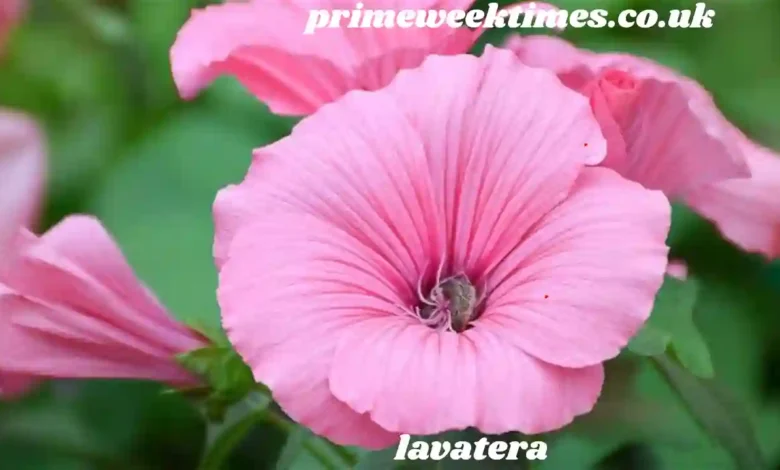
Lavatera is a beautiful flowering plant known for its attractive, hibiscus-like blooms, soft foliage, and relatively easy-growing nature. Often appreciated in cottage gardens, borders, containers, and informal landscapes, lavatera can bring a bright and elegant appearance to outdoor spaces. The plant belongs to the mallow family, Malvaceae, and includes annual, biennial, and perennial types. Depending on the species and growing conditions, lavatera can range from compact plants suitable for containers to larger varieties that create impressive displays in garden borders.
One of the main reasons gardeners choose lavatera is its combination of attractive flowers and manageable care requirements. The flowers may appear in shades of pink, rose, mauve, white, or purple, and many varieties have darker markings near the center of each bloom. These colorful flowers can make lavatera an excellent choice for gardeners who want a long-lasting seasonal display without selecting an especially complicated plant.
Lavatera is also valued for its ability to create a relaxed, natural appearance. Instead of looking overly formal, a mature lavatera plant can provide a soft and slightly informal character. Its foliage and flowers work particularly well alongside other flowering plants, ornamental grasses, herbs, and traditional cottage-garden species. For this reason, lavatera has remained a popular choice among gardeners who want both beauty and versatility.
Understanding lavatera involves more than simply knowing that it produces attractive flowers. Gardeners should consider the plant’s preferred soil, sunlight, watering requirements, spacing, pruning needs, propagation methods, and potential problems. With the right growing conditions, lavatera can become a dependable and eye-catching feature in a garden.
What Is Lavatera?
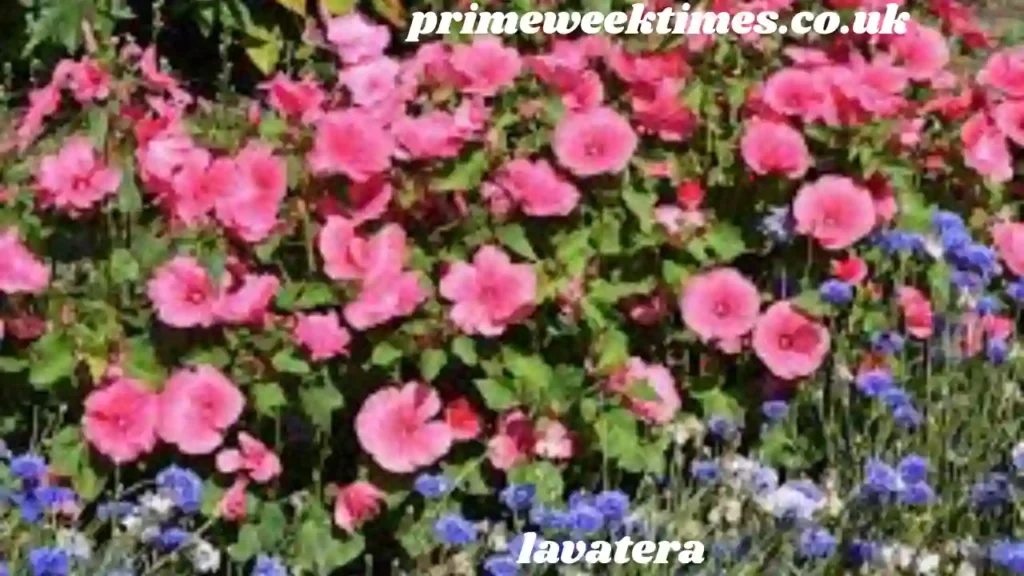
Lavatera is a group of flowering plants within the mallow family. The name is commonly associated with plants that have showy, open flowers resembling those of hibiscus and other members of the Malvaceae family. Lavatera plants can have upright, branching growth habits, and their foliage may range from rounded to lobed depending on the species.
The exact appearance of lavatera varies considerably among different species and cultivated varieties. Some plants remain relatively small and compact, while others can develop into substantial flowering shrubs or bushy plants. This diversity makes it possible to find a lavatera suitable for different types of gardens.
Lavatera flowers are one of the plant’s most recognizable features. Individual flowers are generally large compared with the foliage and have a simple, open form. Their colors often create a striking contrast with the green leaves. In favorable conditions, a mature plant can produce numerous flowers, creating a colorful display over a significant part of the growing season.
Although lavatera is often associated with ornamental gardening, it is also interesting from a botanical perspective. Its relationship with other plants in the mallow family helps explain the shape of its flowers and foliage. Gardeners who already grow plants such as hollyhocks, mallows, or hibiscus may notice similarities in the overall floral structure.
Why Is Lavatera Popular With Gardeners?
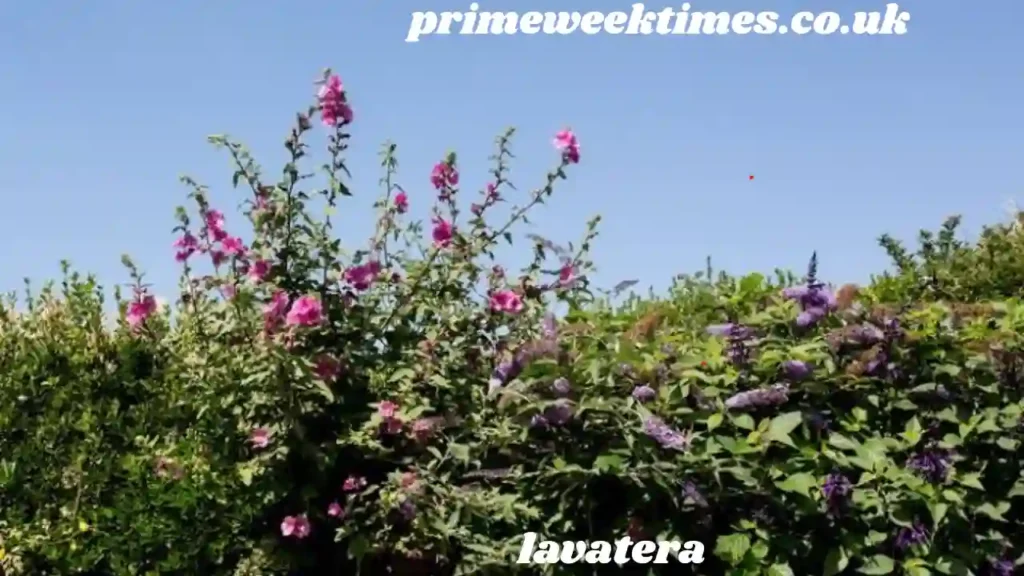
The popularity of lavatera comes from several characteristics that make it useful in both traditional and modern gardens. First, its flowers provide strong visual appeal. A garden can look considerably more colorful when lavatera is planted in a suitable sunny position where its blooms can be easily seen.
Another important advantage is versatility. Lavatera can be used in mixed borders, flower beds, cottage gardens, wildlife-friendly areas, containers, and informal planting schemes. Depending on the variety, it can serve as a central feature, a background plant, or part of a larger seasonal display.
Lavatera is also attractive to gardeners who prefer plants that do not require extremely complicated maintenance. While every plant benefits from proper care, many lavatera varieties can establish successfully when given enough sunlight, suitable soil, adequate moisture, and reasonable protection from harsh conditions.
The plant’s flowering habit is another reason for its popularity. When conditions are favorable, lavatera can produce flowers repeatedly during its active growing period. Regular removal of faded blooms can sometimes encourage a plant to continue producing fresh flowers and maintain a tidy appearance.
Lavatera Flower Colors and Appearance
One of the most appealing features of lavatera is its variety of flower colors. Depending on the species or cultivar, flowers may be white, soft pink, bright pink, rose, mauve, or purple. Some flowers feature darker veins or markings toward the center, adding visual depth.
The flowers generally have broad petals that spread outward, giving them a delicate but noticeable appearance. Their shape can remind observers of hibiscus, which is understandable because both plants belong to the same botanical family.
The foliage also contributes to the appearance of lavatera. Leaves are often green and may have a rounded, lobed, or slightly fuzzy appearance. On larger plants, the foliage can create a substantial green framework around the flowers.
A healthy lavatera plant usually develops a balanced combination of leaves and flowering stems. If the plant receives sufficient light and nutrition, it can become bushy and productive. However, excessive nitrogen fertilizer may sometimes encourage leafy growth at the expense of flowering, so balanced feeding is generally preferable.
Choosing the Right Location for Lavatera
Choosing an appropriate planting location is one of the most important steps in successfully growing lavatera. Most lavatera varieties perform best in a sunny position where they receive several hours of direct sunlight each day.
Sunlight is particularly important for flowering. A plant placed in heavy shade may develop weaker stems, produce fewer flowers, or become stretched as it attempts to reach available light. For this reason, an open garden bed, sunny border, or bright container position is often ideal.
Good air circulation is also beneficial. A crowded planting area can remain humid for longer periods, increasing the possibility of fungal problems. Giving lavatera enough space around its stems and foliage allows air to move more freely.
The location should also provide reasonable protection from extremely strong winds. Tall varieties can become vulnerable to wind damage, especially when they are carrying many flowers. A sheltered position near a wall, fence, or other sturdy plants can help reduce this problem without placing the lavatera in deep shade.
Soil Requirements for Lavatera
Lavatera generally performs well in fertile, reasonably well-drained soil. Good drainage is especially important because continuously waterlogged conditions can damage roots and reduce overall plant health.
Before planting lavatera, gardeners can improve poor soil by incorporating suitable organic material. Well-decomposed compost can help improve soil structure, moisture retention, and nutrient availability. However, the soil should still drain excess water effectively.
Extremely heavy clay soil may require improvement to prevent persistent waterlogging. On the other hand, very sandy soil can drain too quickly and may need organic matter to help retain moisture and nutrients.
A moderately fertile soil is usually preferable to extremely rich soil. Lavatera needs nutrients for healthy growth and flowering, but excessive feeding is not necessarily beneficial. Balanced fertility can encourage a plant to produce both attractive foliage and abundant flowers.
How to Plant Lavatera
Planting lavatera successfully begins with selecting a suitable location and preparing the soil. Remove weeds and competing vegetation before planting, then loosen the soil sufficiently for the roots to establish.
If planting a young lavatera, dig a hole that is wide enough to accommodate the root system without forcing or bending the roots. Place the plant at approximately the same depth at which it was previously growing. Backfill the hole with soil and gently firm it around the plant.
Water the newly planted lavatera thoroughly to help settle the soil around its roots. During the establishment period, monitor moisture carefully. Young plants generally need more consistent watering than established plants.
Spacing is also important. Larger lavatera varieties should not be planted too close together because crowded plants may compete for light, water, and nutrients. Adequate spacing also improves air circulation and allows the plant to develop naturally.
Watering Lavatera
Lavatera needs appropriate moisture to maintain healthy growth, particularly while young or during periods of hot, dry weather. However, watering should not result in permanently saturated soil.
Newly planted lavatera should be monitored regularly until the root system becomes established. During dry conditions, deep watering can be more useful than frequent shallow watering because it encourages moisture to reach the root zone.
Established plants may tolerate short periods of dryness better than newly planted specimens, depending on the variety and local climate. Nevertheless, prolonged drought can cause wilting, reduced flowering, and general stress.
A practical approach is to check the soil before watering. If the upper layer has become noticeably dry and the plant is showing signs of moisture stress, provide a thorough watering. During periods of heavy rainfall, reduce additional watering and make sure excess water can drain away.
Sunlight and Temperature for Lavatera
Lavatera generally prefers plenty of sunlight. A sunny location encourages stronger growth and more abundant flowering. In climates with intense summer heat, some protection from extreme afternoon conditions may be beneficial, especially if the plant is grown in a container where the roots can heat up quickly.
Temperature tolerance varies according to the particular lavatera species or variety. Some are grown primarily as seasonal annuals, while certain perennial types can survive colder conditions when properly established.
Gardeners should therefore consider the specific lavatera variety they are growing rather than assuming that every plant has identical cold tolerance. In areas with severe winters, perennial lavatera may require additional protection depending on the variety.
Fertilizing Lavatera
Lavatera can benefit from moderate feeding, especially when grown in relatively poor soil. A balanced fertilizer applied according to the product’s directions can support healthy foliage and flower production.
However, excessive fertilizer should be avoided. Too much nitrogen can encourage rapid leaf and stem growth while reducing the plant’s tendency to produce flowers. This can result in a large but less colorful plant.
Compost or another suitable organic amendment can provide a gentle source of nutrients while improving the soil. Gardeners should focus on maintaining overall soil health rather than relying solely on repeated fertilizer applications.
Container-grown lavatera may need more regular feeding because nutrients can be depleted from potting soil through watering. Even in containers, moderation is important.
Pruning Lavatera
Pruning requirements depend on the type of lavatera being grown. Some varieties benefit from light pruning to maintain a compact shape and encourage fresh growth, while others may require more significant cutting back.
Removing dead, damaged, or weak stems can improve the plant’s appearance and direct energy toward healthy growth. Regular deadheading can also make the plant look cleaner and may encourage additional flowering in some varieties.
For perennial lavatera, pruning at an appropriate time can help maintain the plant’s structure and prepare it for another season. The exact timing should depend on the plant’s growth cycle and local climate.
Avoid excessive pruning when the plant is actively flowering unless there is a clear reason to do so. The goal should be to maintain healthy growth without unnecessarily removing productive flowering stems.
Growing Lavatera From Seed
Growing lavatera from seed can be a rewarding and economical way to produce several plants. Many annual and biennial types can be grown successfully from seed when provided with suitable conditions.
Seeds are generally started in appropriate growing medium and kept in a warm, bright environment. Once seedlings emerge and develop sufficiently, they can be gradually acclimatized to outdoor conditions before being planted into their final positions.
Direct sowing can also be possible for some varieties when outdoor conditions are suitable. Gardeners should avoid planting too early if the soil is still extremely cold or the risk of damaging frost remains significant.
Young lavatera seedlings require consistent moisture but should not be kept excessively wet. Good light is also important because insufficient light can cause seedlings to become weak and elongated.
Growing Lavatera in Containers
Lavatera can be grown in containers, particularly compact varieties. Container growing is useful for gardeners who have limited outdoor space, patios, balconies, terraces, or small gardens.
The container should have adequate drainage holes and be large enough to support the plant’s expected growth. A container that is too small can dry out quickly and restrict root development.
Container-grown lavatera usually needs closer attention to watering than plants growing directly in the ground. During hot weather, containers can lose moisture rapidly, so regular monitoring is essential.
At the same time, drainage remains critical. A decorative container without adequate drainage can hold excessive water around the roots, potentially causing serious problems.
Common Lavatera Growing Problems
Although lavatera is generally considered manageable, it can experience problems when growing conditions are poor. Common issues may include weak growth, reduced flowering, wilting, pest activity, or fungal problems.
Poor flowering can have several causes. Insufficient sunlight is one possibility. Excessive nitrogen fertilizer can be another. Overcrowding, inadequate nutrition, or environmental stress can also reduce flower production.
Wilting does not always mean that a plant simply needs more water. Root problems caused by overly wet soil can also lead to wilting because damaged roots cannot function properly. Checking soil moisture before watering is therefore important.
Fungal diseases may become more likely when foliage remains wet for long periods or when plants are crowded. Good spacing, appropriate watering, and adequate air circulation can help reduce the risk.
Pests That May Affect Lavatera
Lavatera can occasionally attract common garden pests. Aphids are among the insects that may appear on young shoots, flower buds, and tender foliage. Heavy infestations can weaken the plant and distort new growth.
Other pests may also affect lavatera depending on the growing region. The best approach is regular observation. Inspecting leaves, stems, and new growth can help identify problems before they become severe.
In many situations, gardeners can begin with non-chemical approaches. Removing heavily affected leaves, encouraging beneficial insects, improving plant health, and using an appropriate physical control method may help manage minor pest problems.
Chemical treatments should not automatically be the first response. If a treatment becomes necessary, it should be selected carefully and used according to its instructions.
Lavatera and Pollinators
Lavatera flowers can contribute to a garden environment that supports pollinating insects. The open flower structure provides accessible floral resources for insects visiting the plant.
A garden containing several types of flowering plants can provide pollinators with a more continuous supply of flowers throughout the season. Combining lavatera with other suitable flowering species can therefore create a more diverse planting scheme.
Avoiding unnecessary pesticide use can also help protect beneficial insects. Healthy gardens often contain a wide range of organisms, and not every insect observed on a plant is harmful.
Lavatera in Cottage Gardens
Lavatera is particularly well suited to cottage-style gardens because of its informal shape and abundant flowers. Its soft appearance works naturally alongside roses, daisies, herbs, ornamental grasses, and other flowering plants.
A cottage garden does not necessarily require strict symmetry. Instead, plants are often combined to create a relaxed and colorful appearance. Lavatera can help fill spaces between larger plants while providing a noticeable seasonal display.
Its flowers can also complement both cool and warm color schemes depending on the selected variety. Pink and mauve lavatera can create a romantic appearance, while white varieties can provide contrast and brightness.
Lavatera as a Border Plant
In garden borders, lavatera can be used to add height, texture, and seasonal color. Taller varieties can occupy middle or rear positions, while shorter types can work closer to paths and lower-growing plants.
When designing a border, gardeners should consider the mature size of the lavatera rather than its size at planting time. A young plant may appear small but can expand considerably during the growing season.
Combining lavatera with plants that flower at different times can also improve the overall appearance of the border. The goal is to create a succession of flowers rather than relying on one plant to provide all seasonal interest.
How to Encourage More Lavatera Flowers
Gardeners interested in maximizing lavatera flowering should focus on several basic factors. Plenty of sunlight is usually one of the most important requirements.
Consistent but sensible watering can help prevent stress during dry weather. However, excessive watering should be avoided if the soil drains poorly.
Deadheading spent flowers can keep the plant looking attractive and, depending on the variety, may encourage further blooms. Balanced nutrition is also preferable to excessive fertilization.
Finally, avoid overcrowding. A plant that receives adequate light and air movement generally has better opportunities to maintain healthy growth and flowering.
Lavatera Through the Seasons
Lavatera’s appearance changes throughout the growing cycle. Early growth often consists primarily of developing stems and foliage. As the plant matures, flower buds begin to appear.
During the main flowering period, the plant can become covered with colorful blooms. This is usually the stage when lavatera has its greatest ornamental impact.
After flowering, gardeners can remove faded blooms and maintain the plant’s appearance. Depending on the species, the plant may continue producing flowers for an extended period or eventually enter a resting stage.
For perennial types, seasonal pruning and preparation can help the plant return successfully the following year. Annual types naturally complete their life cycle after producing flowers and seeds.
Lavatera vs. Other Mallow Family Plants
Lavatera is sometimes confused with other plants in the mallow family because of similarities in flower shape and foliage. Hibiscus, hollyhocks, and other mallows can have flowers that appear superficially similar.
The easiest way to distinguish different plants is to consider their overall growth habit, leaf structure, flower characteristics, and specific botanical identity.
Gardeners should also remember that common names can vary between regions. A plant sold under a particular common name in one area may have a different name elsewhere. Scientific naming helps reduce confusion when selecting seeds or plants.
Benefits of Growing Lavatera
Growing lavatera offers several advantages for ornamental gardeners. Its flowers provide strong seasonal color, while its foliage creates additional texture.
Lavatera can also be useful in gardens where a relaxed and natural appearance is preferred. It does not always require highly formal landscaping techniques to look attractive.
Another advantage is the range of available forms. Gardeners can select varieties according to available space, desired flower color, and whether they prefer an annual or perennial plant.
Its suitability for borders and containers further increases its usefulness. With appropriate care, lavatera can become a reliable part of a diverse garden planting plan.
Tips for Growing Healthy Lavatera
To maintain healthy lavatera, gardeners can follow several basic principles. Start by selecting a suitable variety for the local growing conditions. Choose a sunny or appropriately bright location and provide fertile but well-drained soil.
Water young plants consistently while they establish, but avoid creating permanently wet soil. Feed moderately and avoid excessive nitrogen.
Give plants enough space to grow without becoming overcrowded. Monitor foliage regularly for insects or signs of disease.
Remove damaged growth and spent flowers when appropriate. For perennial varieties, carry out seasonal pruning according to the plant’s growth habit and local conditions.
Most importantly, observe the plant. Changes in foliage, flowering, soil moisture, or growth can provide useful clues about what the plant needs.
Frequently Asked Questions About Lavatera
What is lavatera?
Lavatera is a group of flowering plants belonging to the mallow family, Malvaceae. It is grown primarily for its attractive flowers and can include annual, biennial, and perennial forms.
Is lavatera easy to grow?
Many lavatera varieties are relatively easy to grow when provided with suitable sunlight, well-drained soil, sufficient moisture, and adequate space. Specific care requirements vary between varieties.
Does lavatera need full sun?
Lavatera generally performs best in a sunny location. Good sunlight encourages stronger growth and supports abundant flowering.
How often should lavatera be watered?
Watering depends on weather, soil type, plant age, and whether the plant is grown in the ground or a container. Young plants generally need more consistent moisture, while established plants may tolerate short dry periods.
Can lavatera grow in pots?
Yes, suitable lavatera varieties can be grown in containers. The container should be large enough for the plant and must have good drainage.
Does lavatera come back every year?
Some lavatera species and varieties are perennial, while others are annual or biennial. Whether a particular plant returns depends on its type and the climate in which it is grown.
When does lavatera flower?
Flowering time varies by species, variety, climate, and growing conditions. Many garden-grown lavatera plants flower during the warmer part of the year.
Can lavatera tolerate drought?
Established lavatera may tolerate short periods of dry weather, but prolonged drought can reduce flowering and cause stress. Regular monitoring is especially important during hot conditions.
Should lavatera be deadheaded?
Deadheading spent flowers can improve the plant’s appearance and may encourage additional flowering in some varieties.
Why is my lavatera not flowering?
Possible reasons include insufficient sunlight, excessive nitrogen, poor nutrition, overcrowding, drought stress, or unsuitable growing conditions. Reviewing these factors can help identify the cause.
Is lavatera good for pollinators?
Lavatera flowers can attract visiting pollinating insects. Growing lavatera alongside other flowering plants can contribute to a diverse garden environment.
Does lavatera need pruning?
Pruning requirements depend on the variety. Removing damaged growth and spent flowers can be useful, while perennial forms may benefit from more substantial seasonal pruning.
Final Thoughts on Lavatera
Lavatera is a versatile and attractive flowering plant that can add color, texture, and character to many different types of gardens. Its open flowers, attractive foliage, and range of available forms make it useful for borders, cottage gardens, containers, and informal landscapes.
Successful lavatera cultivation begins with choosing an appropriate variety and giving it the right environment. A sunny position, fertile and well-drained soil, appropriate watering, sensible feeding, and adequate spacing can provide the foundation for healthy growth. Regular observation and simple maintenance can then help the plant remain productive and attractive throughout its growing season.
For gardeners who want a flowering plant that combines visual impact with relatively straightforward care, lavatera is worth considering. Whether planted as a seasonal annual display or grown as a longer-lived perennial, lavatera can become a valuable part of a well-planned garden. By understanding its growing requirements and responding to its needs throughout the seasons, gardeners can enjoy its distinctive flowers and natural beauty year after year where the selected variety and climate allow.