Homelite UV80522 Kohler Engine: Specifications, Performance, Maintenance, Troubleshooting, and Complete Guide
Introduction to Homelite UV80522 Kohler Engine
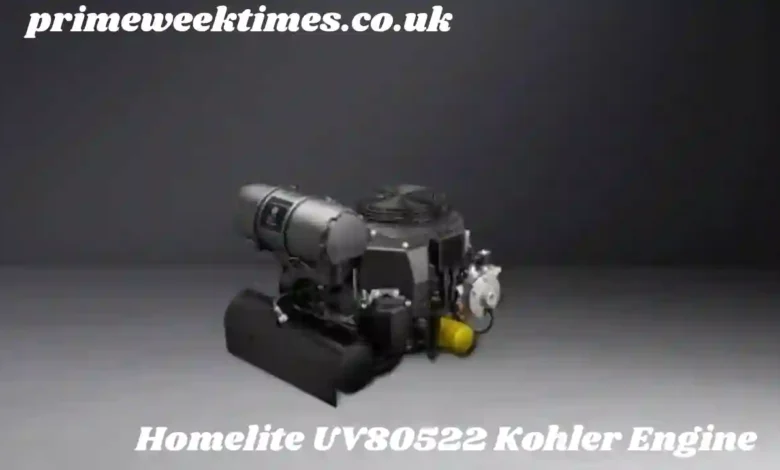
The Homelite UV80522 Kohler Engine is a search term commonly associated with Homelite pressure washers, engine specifications, replacement parts, maintenance requirements, and small-engine performance. People searching for this equipment often want to understand its engine design, operating capabilities, maintenance procedures, common mechanical problems, and the best ways to keep the machine working efficiently. Whether someone owns an older Homelite pressure washer, is considering purchasing a used unit, or needs information about engine servicing, understanding the relationship between the machine and its engine is important.
One important detail deserves clarification before exploring the subject. The commonly documented Homelite model is UT80522, rather than UV80522. Its operator documentation describes a 179cc overhead-valve (OHV) engine. However, the available documentation does not establish that this particular engine is manufactured by Kohler. Therefore, the phrase Homelite UV80522 Kohler Engine should be treated as the search keyword rather than confirmation of an exact Kohler engine configuration. Checking the identification label and engine markings is essential before ordering replacement components or following manufacturer-specific maintenance instructions. Manualsnet+1
Homelite pressure washers are designed to provide convenient cleaning power for residential outdoor maintenance. Their gasoline-powered engines allow users to operate the equipment without depending on an electrical outlet. This makes them useful for cleaning driveways, patios, outdoor furniture, garden equipment, vehicles, and other surfaces that accumulate dirt over time. The engine plays a central role because it supplies mechanical power to the pressure washer’s pump, which produces the pressurized water needed for cleaning.
Understanding the Homelite UV80522 Kohler Engine topic requires looking beyond the engine name. It involves the complete pressure washer system, including the fuel supply, ignition system, air filter, lubrication system, pump, hoses, spray wand, and maintenance schedule. Each component contributes to the machine’s overall performance. Even a mechanically sound engine can produce disappointing cleaning results when the pump, water supply, or nozzle has a problem.
This guide explores the documented Homelite UT80522 specifications, engine operation, performance characteristics, maintenance practices, troubleshooting methods, replacement considerations, and long-term ownership recommendations. It also explains how to avoid confusion between different Homelite UT80522 model revisions when researching engine-related information.
Understanding the Homelite UV80522 Kohler Engine Model
The first step in understanding this equipment is identifying the correct model number. Homelite has produced different pressure washer versions with similar model numbers, including UT80522, UT80522A, UT80522B, and later revisions. Although these machines belong to a related product family, their specifications and individual components may differ.
The original UT80522 documentation identifies a 179cc OHV engine. The listed pressure washer specifications include a maximum pressure rating of 2,600 PSI and a water flow rate of 2.3 gallons per minute. The documented fuel tank capacity is 0.96 gallons, while the listed engine oil capacity is 20.3 ounces. These figures provide a useful starting point when researching the machine, but owners should always check the manual corresponding to their exact model revision. Manualsnet+1
The Kohler reference in the search keyword should not automatically be interpreted as the manufacturer’s engine identification. Small gasoline engines can have similar physical designs while using different internal components, ignition arrangements, carburetors, and replacement parts. A pressure washer’s brand name also does not necessarily identify the manufacturer of its engine.
Owners should inspect the engine identification plate, serial number, model markings, and original equipment documentation. These details help determine which spark plug, air filter, carburetor components, oil specifications, and other service parts are appropriate.
This identification process is particularly important when purchasing replacement parts online or visiting a small-engine repair shop. A component advertised for a Kohler engine might look similar to the part fitted to a Homelite pressure washer but still have different dimensions or connections.
Homelite UT80522 Engine Specifications and Technical Features
Understanding technical specifications helps owners evaluate the machine’s capabilities and determine whether it is suitable for their cleaning requirements. The original UT80522 manual provides several important measurements that explain its operating characteristics.
| Specification | Documented UT80522 information |
|---|---|
| Engine displacement | 179cc |
| Engine configuration | OHV |
| Fuel tank capacity | 0.96 gallons |
| Engine oil capacity | 20.3 ounces |
| Maximum pressure | 2,600 PSI |
| Maximum water flow | 2.3 GPM |
| Maximum inlet water temperature | 104°F |
| Starting system | Recoil starter |
These specifications apply to the documented UT80522 configuration and should not be transferred automatically to every related revision. Manualsnet+1
The 179cc displacement indicates the approximate volume swept by the engine’s piston during its operating cycle. This measurement provides an indication of engine size, although displacement alone does not determine horsepower, fuel efficiency, or long-term reliability.
The overhead-valve design is another important characteristic. OHV engines position their valves in the cylinder head rather than using the older side-valve arrangement. This configuration is widely used in small gasoline engines because it supports practical combustion-chamber design and efficient operation.
The fuel tank capacity determines how much gasoline the machine can hold, while oil capacity indicates the approximate quantity needed for proper lubrication. Neither measurement should be used as a substitute for checking the actual oil level or following the filling instructions in the correct manual.
The pressure and flow figures describe the pressure washer’s cleaning capability rather than the engine’s horsepower. Both measurements matter when evaluating performance. Pressure helps remove stubborn deposits, while water flow contributes to moving loosened dirt away from the surface.
How the Engine Works in a Homelite Pressure Washer
The engine is one of the most important components of the Homelite pressure washer because it provides the mechanical energy required to operate the water pump. When the operator starts the gasoline engine, the combustion process moves the piston inside the cylinder. This movement rotates the crankshaft, which transfers mechanical power to the pump through the machine’s drive arrangement.
The pump then draws water from the connected garden hose and increases its pressure before sending it through the high-pressure hose. Water travels through the spray gun and nozzle, producing a concentrated stream that can remove dirt, mud, grease, and other unwanted deposits.
The entire process depends on several systems working together. The fuel system supplies gasoline, the air intake provides oxygen, and the ignition system produces the spark needed to ignite the fuel-air mixture. The lubrication system reduces friction between moving engine components, while the cooling arrangement helps control operating temperature.
If any of these systems develops a problem, engine performance may decrease. For example, a restricted air filter can reduce airflow and affect combustion. Old gasoline can create carburetor problems, while insufficient engine oil can increase friction and potentially cause serious internal damage.
It is also important to understand that the engine and pump perform different functions. The engine generates mechanical power, whereas the pump creates water pressure. Consequently, an engine that starts and runs properly does not necessarily mean that the pressure washer will produce strong water pressure.
Understanding the 179cc OHV Engine Design
The 179cc OHV engine documented for the Homelite UT80522 belongs to the category of compact gasoline engines commonly used in outdoor equipment. Its design provides a practical balance between physical size and the power required for residential pressure-washing applications.
The overhead-valve arrangement allows the intake and exhaust valves to operate through components positioned in the cylinder head. These valves control the movement of the air-fuel mixture into the combustion chamber and the exhaust gases out of the cylinder.
During operation, the piston moves through a repeating four-stroke cycle. The intake stroke draws the air-fuel mixture into the cylinder. During compression, the piston moves upward and compresses the mixture. The ignition process then produces combustion, forcing the piston downward during the power stroke. Finally, the exhaust stroke removes the burned gases from the cylinder.
This continuous cycle generates rotational movement that drives the pressure washer’s pump.
Proper lubrication is particularly important in this type of engine. Internal components experience friction and heat whenever the machine operates. Engine oil forms a protective layer between moving surfaces, helping reduce wear and supporting consistent operation.
Owners should never assume that all 179cc OHV engines use identical service parts. Engine manufacturers may use different spark plugs, air filters, carburetor assemblies, and other components. The actual engine identification should always guide replacement decisions.
Cleaning Performance and Practical Applications
The Homelite UT80522 pressure washer is intended for cleaning applications where ordinary garden-hose pressure may not be sufficient. Its documented 2,600 PSI maximum pressure and 2.3 GPM maximum flow rating provide a useful reference for understanding its capabilities.
One common application is driveway cleaning. Outdoor concrete surfaces collect dust, mud, vehicle residue, and other contaminants. A pressure washer can help loosen accumulated dirt and restore a cleaner appearance. However, operators should select an appropriate nozzle and maintain a suitable distance to avoid damaging the concrete surface or surrounding materials.
Patios and outdoor walkways are other suitable applications. Dirt, algae, and environmental deposits can gradually affect the appearance of outdoor flooring. Controlled pressure washing can help remove surface contamination, although delicate paving materials may require lower pressure.
Garden equipment can also benefit from occasional cleaning. Lawn tools, wheelbarrows, outdoor containers, and equipment frames frequently collect soil and debris. Using a pressure washer can make these cleaning tasks more convenient.
Vehicles require additional care. High-pressure water can damage paint, loosen decals, or force water into sensitive electrical connections when used incorrectly. Operators should use suitable vehicle-cleaning settings, maintain adequate distance, and avoid directing concentrated spray toward delicate areas.
Outdoor furniture, fences, and selected building surfaces may also be cleaned with appropriate techniques. The material being cleaned should always determine the pressure, nozzle selection, and distance used during operation.
The important point is that maximum pressure is not necessary for every task. Using excessive pressure can damage wood, paint, soft materials, and other surfaces. A controlled approach generally produces better results than simply selecting the strongest available spray.
Fuel Requirements and Proper Fuel Handling
Fuel quality directly affects the performance of a small gasoline engine. The Homelite UT80522 uses a gasoline-powered engine, making correct fuel selection and storage an important part of routine ownership.
Fresh gasoline helps the carburetor deliver a suitable fuel mixture. Gasoline that has remained unused for extended periods can deteriorate and create deposits inside the fuel system. These deposits may restrict small carburetor passages, interfere with fuel delivery, and make starting more difficult.
Before refueling, operators should turn off the engine and allow hot components to cool. Fuel should be added outdoors or in a well-ventilated location, away from cigarettes, open flames, sparks, and other ignition sources.
The fuel cap should be secured properly after refueling. Spilled gasoline must be cleaned up before starting the engine. Fuel should also be stored in an approved container and kept away from heat sources.
Long-term storage requires additional attention. The UT80522 maintenance guidance recommends draining the fuel tank because stored gasoline can become stale in approximately 30 days. A suitable fuel stabilizer may also help when used according to the product instructions. APW-Inc+1
Fuel-system maintenance becomes particularly important when purchasing an older pressure washer. A machine that has remained unused in a garage or storage shed may contain deteriorated gasoline, restricted fuel passages, or a carburetor that requires cleaning.
Engine Oil Requirements and Lubrication Maintenance
Engine oil is essential for protecting the internal components of the Homelite pressure washer engine. It reduces friction, helps manage operating temperatures, and supports the movement of mechanical parts.
The original UT80522 documentation lists an engine oil capacity of 20.3 ounces. This figure is useful when preparing for an oil change, but the engine should always be filled according to the manufacturer’s checking procedure rather than by blindly pouring in the full listed quantity. Manualsnet+1
Before checking the oil, place the pressure washer on a stable, level surface and switch off the engine. Allow the engine to cool sufficiently before opening the oil filler. Remove the dipstick or oil fill cap as directed by the manual, inspect the level, and add the specified lubricant if necessary.
Overfilling can also create problems. Excessive oil may contribute to smoke, leakage, or abnormal engine operation. Underfilling is equally dangerous because important moving components may not receive sufficient lubrication.
Oil changes should follow the maintenance schedule for the exact model. The documented maintenance guidance for the related Homelite pressure washer specifies an initial oil change after the first 20 operating hours. It also identifies subsequent service intervals and recommends checking engine oil regularly. APW-Inc+1
Used oil should be collected in an appropriate container and taken to a suitable recycling or disposal facility. It should never be poured into drains, gardens, soil, or waterways.
Air Filter Maintenance and Its Importance
The air filter protects the engine from dust, dirt, and other airborne particles. Outdoor pressure washers frequently operate in environments where airborne debris can enter the air intake. Without effective filtration, these particles can reach internal engine components and contribute to premature wear.
A dirty air filter may restrict airflow and affect the air-fuel mixture. As a result, the engine may become difficult to start, lose power, run unevenly, or consume fuel inefficiently.
The Homelite UT80522 maintenance instructions recommend checking and cleaning the air filter regularly. The related manual also explains that the filter should be correctly seated when reinstalled because an improperly installed filter may allow dirt to enter the carburetor. User manual and instructions+1
Cleaning should be performed according to the filter design and manufacturer’s instructions. For the documented foam-filter arrangement, the manual describes removing the filter, washing it with clean water, gently squeezing out excess moisture, applying a light coat of engine lubricant, and reinstalling it correctly.
The filter should be inspected for tears, deterioration, excessive dirt, and other visible damage. A damaged filter should be replaced rather than reused.
Air filter maintenance is especially important when operating the machine around dusty driveways, construction areas, dry soil, or heavy outdoor debris. Regular inspections can prevent relatively simple airflow problems from becoming more expensive mechanical repairs.
Spark Plug Maintenance and Ignition Performance
The spark plug is responsible for igniting the compressed fuel-air mixture inside the engine’s combustion chamber. Without a suitable spark, the engine cannot operate correctly.
A dirty, damaged, or worn spark plug may cause starting difficulties, inconsistent running, reduced power, or engine misfires. Carbon deposits can also interfere with normal ignition.
When inspecting the spark plug, the engine should be switched off and allowed to cool. Disconnect the spark plug wire before removing the plug. Check the electrode and insulator for visible damage, heavy deposits, or unusual discoloration.
The correct replacement spark plug must match the actual engine specification. Since the Homelite model name alone does not establish the precise engine manufacturer, owners should confirm the required plug type using the engine identification or applicable service documentation.
The maintenance schedule in the Homelite documentation includes spark plug cleaning, electrode inspection, adjustment, and replacement at specified operating intervals. APW-Inc+1
If a new spark plug does not resolve a starting problem, the cause may be elsewhere. Ignition wiring, the ignition coil, fuel delivery, compression, or other engine components may require inspection by a qualified technician.
Common Homelite UV80522 Kohler Engine Problems
Like other gasoline-powered pressure washers, the Homelite UT80522 may experience mechanical or operational problems after extended use. Some problems are related to ordinary maintenance, while others may involve worn components, contaminated fuel, or pump-related issues.
Understanding the symptoms can help owners identify potential causes before spending money on unnecessary replacement parts.
1. Engine Will Not Start
A pressure washer that refuses to start can have several possible causes. Old gasoline, an empty fuel tank, a disconnected spark plug wire, a dirty air filter, or a faulty ignition component may prevent the engine from starting.
Start by checking the fuel level and inspecting the fuel condition. If the gasoline has been stored for an extended period, it may need to be replaced. Next, inspect the spark plug connection and air filter.
The engine oil level should also be checked. Some small engines use a low-oil protection system that prevents operation when the oil level is insufficient.
If these basic checks do not resolve the issue, a technician may need to inspect the carburetor, ignition system, and engine compression.
2. Engine Starts but Runs Roughly
Rough engine operation can indicate problems with fuel delivery, airflow, or ignition. A partially blocked carburetor jet may prevent the engine from receiving the correct fuel mixture.
A dirty air filter can also affect combustion. Similarly, an incorrectly installed spark plug or deteriorated fuel may contribute to inconsistent operation.
Owners should begin with basic inspections before replacing major components. Cleaning the air filter, checking the fuel condition, and inspecting the spark plug are reasonable initial steps.
Persistent rough running should be investigated by a qualified small-engine repair technician.
3. Engine Loses Power During Operation
Power loss may occur when the engine cannot receive sufficient air or fuel. A restricted fuel line, clogged air filter, carburetor contamination, or ignition problem may reduce performance.
However, a pressure washer can also appear to lose engine power when the water pump experiences excessive resistance.
For example, operating the machine with a blocked nozzle or restricted water supply may create abnormal operating conditions. Checking the water inlet filter, hose connections, and spray nozzle can help distinguish a pump or water-flow problem from an engine problem.
4. Engine Produces Excessive Smoke
Smoke can indicate an engine operating issue, although its appearance and circumstances provide useful clues.
Blue or bluish smoke may indicate that engine oil is entering the combustion chamber. White smoke can sometimes appear during cold starts or when moisture is present, while persistent unusual smoke requires investigation.
Black smoke may indicate an overly rich fuel mixture or restricted airflow.
Owners should check the oil level, inspect the air filter, and examine the fuel system. If excessive smoke continues, professional inspection is recommended.
5. Engine Stops Unexpectedly
An engine that suddenly stops may have a fuel-delivery problem, ignition interruption, overheating issue, or low-oil protection activation.
A blocked fuel passage can prevent gasoline from reaching the carburetor. A loose ignition connection may also interrupt engine operation.
Before restarting, inspect the machine for fuel leaks, overheating, damaged wiring, and insufficient oil. Never continue operating equipment that shows signs of serious mechanical damage.
Pressure Washer Pump and Engine Performance
The Homelite pressure washer’s engine and pump must work together to produce effective cleaning performance. Understanding their relationship can prevent confusion when diagnosing mechanical problems.
The engine generates rotational energy, while the pump converts that energy into pressurized water movement. If the engine runs smoothly but the spray pressure remains weak, the problem may not involve the engine at all.
Several pump-related conditions can affect cleaning performance:
- A partially blocked spray nozzle.
- A restricted water inlet filter.
- An insufficient garden-hose water supply.
- Air trapped inside the pump.
- Damaged high-pressure hoses.
- Worn pump seals or internal components.
Before operating the pressure washer, connect the water supply and allow water to flow through the system according to the manufacturer’s instructions. This helps remove trapped air before starting the engine.
Never operate a pressure washer without the required water supply. Insufficient water can damage pump components and create expensive repair problems.
The pressure washer should also be operated with the correct nozzle for the cleaning task. A nozzle blockage can affect water flow and create abnormal pressure conditions.
Homelite UV80522 Kohler Engine Maintenance Schedule
Regular maintenance is one of the most effective ways to extend the working life of a gasoline pressure washer. Rather than waiting until the engine develops problems, owners should follow a planned inspection routine.
The available Homelite maintenance documentation provides operating-hour intervals for important service tasks. The following table summarizes the documented schedule for the applicable manual. APW-Inc+1
| Maintenance task | Recommended interval |
|---|---|
| Check engine oil | Every use |
| Clean engine and check fasteners | Every 8 hours |
| Initial engine oil change | First 20 hours |
| Clean air cleaner | Every 50 hours |
| Replace air cleaner element | Every 50 hours |
| Clean spark plug | Every 100 hours |
| Inspect and adjust spark plug electrodes | Every 100 hours |
| Replace spark plug | Every 100 hours |
| Remove cylinder-head carbon | Every 300 hours |
| Check and adjust valve clearance | Every 300 hours |
These intervals should be confirmed against the correct model-specific manual. Operating conditions may also require more frequent inspections.
Daily or Before-Use Inspections
Before starting the pressure washer, inspect the fuel level, engine oil, hoses, water connections, and visible engine components.
Check for loose fasteners, fuel leaks, damaged electrical connections, and signs of oil leakage. Make sure the machine is positioned on a stable surface.
A quick inspection can reveal problems before they interrupt a cleaning project.
Periodic Engine Cleaning
Dust and debris can accumulate around the engine housing, cooling areas, and air intake. Keeping these areas clean helps prevent dirt from interfering with normal operation.
Use appropriate cleaning methods and avoid directing high-pressure water toward electrical components, the air intake, or sensitive engine areas.
Professional Servicing
Some maintenance tasks require specialized tools and technical knowledge. Valve-clearance adjustment and cylinder-head carbon removal are examples of procedures that should be handled by a qualified service professional when the owner lacks the necessary experience.
Professional maintenance can also identify worn components before they cause more serious engine problems.
How to Choose Replacement Parts for Homelite UT80522
Finding the correct replacement parts is important when repairing an older Homelite pressure washer. The machine may contain components that differ between production revisions.
The first step is to locate the complete model number on the equipment identification label. Owners should also record the serial number and inspect any available engine identification markings.
Common replacement components may include:
- Air filter and filter cover.
- Spark plug.
- Carburetor assembly.
- Fuel lines and fuel filters.
- Recoil starter assembly.
- Ignition components.
- Engine gaskets and seals.
- Oil filler and drain components.
- Pressure washer pump components.
The Homelite UT80522 parts documentation identifies individual engine and pressure washer components, including crankcase, carburetor, ignition-related, and recoil-starter parts. APW-Inc+1
However, not every component listed for one UT80522 revision will necessarily fit another version.
Owners should compare part numbers, dimensions, mounting positions, electrical connections, and other specifications before purchasing.
It is also important to distinguish between original manufacturer parts and compatible aftermarket alternatives. An aftermarket component may offer a lower purchase price, but compatibility and build quality should be checked carefully.
When dealing with an engine described as a Kohler engine, verify the actual engine model first. Do not order Kohler-specific components solely because the phrase Homelite UV80522 Kohler Engine appears in a product description.
Is the Homelite UT80522 Suitable for Homeowners?
The Homelite UT80522 is designed around residential pressure-washing requirements. Its documented specifications suggest that it can handle a variety of ordinary outdoor cleaning tasks when maintained correctly.
Homeowners may find it useful for cleaning driveways, patios, garden equipment, outdoor furniture, and selected exterior surfaces.
Its gasoline-powered design provides mobility because the machine does not require an electrical connection during operation. This can be useful when cleaning larger outdoor areas or locations away from convenient power outlets.
However, gasoline equipment requires more maintenance than many electric alternatives. Owners must manage fuel, engine oil, air filtration, spark plugs, and seasonal storage.
Another consideration is the availability of replacement components. Older pressure washer models may require additional research when sourcing original parts. Checking the condition of the pump, engine, hoses, and accessories is particularly important when purchasing a secondhand machine.
The equipment is most appropriate for users who understand basic gasoline-engine maintenance and need a portable cleaning solution for occasional residential projects.
Buying a Used Homelite Pressure Washer: What to Inspect
Buying a used Homelite pressure washer can be a practical option, especially when the machine is available at a reasonable price. However, older equipment should be inspected carefully before completing a purchase.
The engine should be examined for oil leaks, fuel leaks, damaged housing, loose components, and signs of poor maintenance.
Ask the seller whether the machine has been stored with gasoline inside the tank. Long periods of storage with untreated fuel can contribute to carburetor contamination and starting difficulties.
If possible, observe a complete operating test. The engine should start and run consistently, and the pressure washer should produce a steady water stream when operated according to its manual.
The pump deserves particular attention. A functioning engine does not guarantee that the pump is in good condition.
Inspect the high-pressure hose, spray gun, connectors, nozzle, and water inlet. Damaged accessories may increase the cost of restoring the machine.
It is also sensible to check whether the exact model’s replacement components are still obtainable. This is particularly relevant for discontinued or older Homelite equipment.
A used machine with a clean engine, properly functioning pump, and documented maintenance history is generally a more attractive purchase than one that has been stored outdoors or neglected for years.
Safety Precautions When Operating the Engine
Safety should always be a priority when using the Homelite pressure washer. Gasoline engines produce hot exhaust gases and carbon monoxide, an odorless and potentially fatal gas.
The machine must be operated outdoors in an appropriate location. Never run the gasoline engine inside a home, garage, enclosed workshop, or other poorly ventilated area.
High-pressure water can also cause serious injuries. Never point the spray gun toward people, animals, electrical equipment, or yourself.
Additional safety precautions include:
- Wear appropriate eye protection and protective footwear.
- Keep children and pets away from the operating area.
- Never refuel a hot or running engine.
- Keep gasoline away from flames and sparks.
- Allow hot engine components to cool before servicing.
- Disconnect the spark plug wire before performing appropriate maintenance.
- Never operate the machine without the required water supply.
- Follow the recommended nozzle and pressure settings.
- Release trapped water pressure before disconnecting high-pressure connections.
Pressure washers can cause injection injuries when high-pressure water penetrates the skin. Such injuries require immediate medical attention, even when the external wound appears small.
Following the safety instructions in the manufacturer’s manual helps reduce unnecessary risks.
Long-Term Storage and Winterization
Proper storage is important when the pressure washer will remain unused for several weeks or months. Gasoline can deteriorate during storage, and water remaining inside the pump may create problems in freezing conditions.
Before storing the Homelite UT80522, allow the engine to cool and follow the fuel-storage instructions in the applicable manual.
The documented Homelite maintenance guidance recommends draining stored fuel, replacing engine lubricant as directed, inspecting the spark plug, cleaning the air filter, and preparing the pump and hoses for storage. It also recommends using a suitable pump protector when winter conditions may expose the equipment to freezing temperatures. APW-Inc+1
Water should be removed from the pump and hoses using the manufacturer’s recommended procedure.
The pressure washer should be stored in a dry, protected location where temperatures remain within the manufacturer’s recommended range. Avoid storing it near heating equipment or other sources of excessive heat.
Hoses should be coiled without sharp bends or kinks. The spray gun, wand, and other accessories should also be protected from physical damage.
Before using the machine again, inspect the fuel system, oil level, spark plug connection, hoses, and pump. A careful inspection can help prevent unexpected problems when the next cleaning project begins.
Homelite UV80522 Kohler Engine vs. Other Small Gasoline Engines
When researching the Homelite UV80522 Kohler Engine, it is useful to understand how its documented engine configuration compares with other small gasoline engines used in outdoor equipment.
The 179cc OHV configuration provides a useful example of a compact engine designed to operate equipment requiring consistent mechanical power.
Other pressure washers may use engines with different displacements, manufacturers, power ratings, and internal designs. A larger engine does not automatically mean a better pressure washer because pump capacity, water flow, pressure regulation, and overall construction also affect cleaning performance.
Engine reliability depends on several factors, including manufacturing quality, lubrication, fuel condition, operating temperature, maintenance history, and usage conditions.
Kohler is an established small-engine manufacturer, but the existence of Kohler-powered equipment in the wider pressure washer market does not establish that the documented Homelite UT80522 uses a Kohler engine.
For accurate comparisons, owners should identify the engine manufacturer and model before evaluating replacement engines or compatible components.
The best replacement engine, if one is needed, must match the machine’s mounting arrangement, shaft dimensions, rotational requirements, and other mechanical specifications. The pump and engine must also be compatible in terms of operating speed and power requirements.
Frequently Asked Questions (FAQs)
1. What engine does the Homelite UT80522 pressure washer use?
The available Homelite UT80522 operator documentation identifies a 179cc overhead-valve engine. It does not establish that the engine is a Kohler-manufactured unit. Owners should inspect the engine identification markings to confirm the exact manufacturer and model.
2. Is the Homelite UV80522 the same as the UT80522?
The commonly documented Homelite pressure washer model is UT80522. UV80522 may be a typing or identification error. Checking the product identification label is the best way to confirm the actual model.
3. What is the PSI rating of the Homelite UT80522?
The original UT80522 documentation lists a maximum pressure rating of 2,600 PSI and a maximum water flow of 2.3 GPM. Other related model revisions have different specifications, so the exact manual should be checked before relying on these figures.
4. How much engine oil does the Homelite UT80522 require?
The documented original UT80522 specification lists an engine oil capacity of 20.3 ounces. The correct filling procedure should always be followed, and owners should check the dipstick rather than automatically adding the entire listed quantity.
5. Why does my Homelite pressure washer engine refuse to start?
Possible causes include old gasoline, an empty fuel tank, a dirty air filter, a disconnected spark plug wire, a faulty spark plug, or a carburetor problem. Checking fuel condition, oil level, and basic ignition connections is a reasonable starting point.
6. How often should the engine oil be changed?
The applicable Homelite maintenance documentation specifies an initial oil change after the first 20 operating hours. Subsequent changes should follow the maintenance schedule and operating conditions specified in the correct manual.
7. Can I use Kohler engine replacement parts?
Only if the actual engine identification confirms that the parts are compatible. The Homelite pressure washer model number alone is insufficient to establish compatibility with Kohler replacement components.
8. Is the Homelite UT80522 suitable for driveway cleaning?
Yes. Its documented 2,600 PSI maximum pressure and 2.3 GPM maximum flow make it suitable for various residential cleaning applications, including appropriate driveway-cleaning tasks. The correct nozzle and operating distance should be selected to prevent surface damage.
9. What causes a Homelite pressure washer to lose water pressure?
Possible causes include a clogged nozzle, restricted water inlet, inadequate water supply, trapped air, damaged hoses, or worn pump components. An engine that runs normally can still have a pump-related problem.
10. Is regular maintenance important for the Homelite UV80522 Kohler Engine?
Yes. Regular oil checks, air filter cleaning, spark plug inspections, fuel-system care, and proper storage help maintain engine performance and reduce the likelihood of avoidable mechanical problems.
Conclusion
The Homelite UV80522 Kohler Engine is a useful search topic for people researching Homelite gasoline pressure washers, engine specifications, maintenance procedures, replacement components, and common mechanical problems. However, identifying the correct equipment is essential because the commonly documented model is UT80522, and its operator documentation describes a 179cc OHV engine without confirming a Kohler manufacturer connection.
ALSO READ : Tridyne TE-031 Low Battery Warning – Causes, Fixes, and Maintenance Tips