
Smipack SM-55 Control Panel Membrane: Features, Functions, Maintenance, Replacement, and Importance in Packaging Machinery
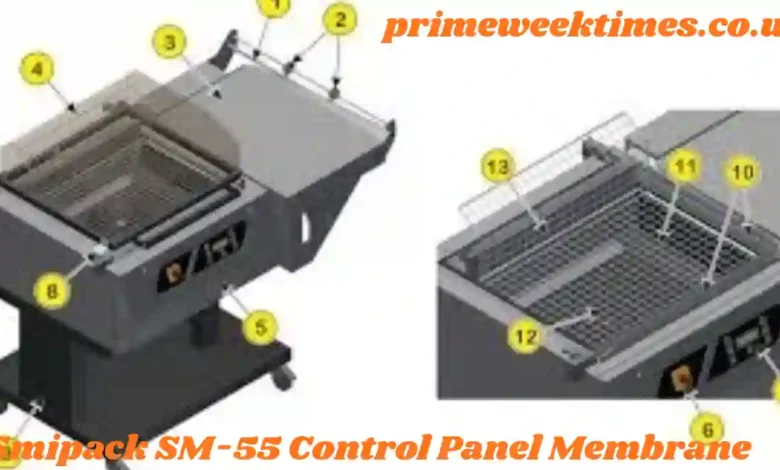
Introduction to Smipack SM-55 Control Panel Membrane
Modern packaging machinery depends on reliable control systems to maintain consistent performance, accuracy, and productivity. Every component within an industrial packaging machine contributes to its overall operation, but the control interface deserves particular attention because it connects the operator with the machine’s internal functions. The Smipack SM-55 Control Panel Membrane is an important component associated with the operation and usability of the SM-55 packaging equipment. It provides an interface through which operators can interact with machine controls, select available functions, and manage different stages of the packaging process.
In industrial environments, packaging equipment is often used for extended periods. Operators may need to adjust settings, monitor machine activity, and respond to operational requirements throughout a production shift. A properly functioning control panel makes these activities easier and helps maintain an organized workflow. When the control interface becomes damaged or stops responding correctly, even a machine with otherwise functional mechanical and electrical components may become difficult to operate. This is why understanding the purpose and maintenance requirements of the Smipack SM-55 Control Panel Membrane is important for businesses that depend on packaging machinery.
Membrane control panels are commonly used in industrial equipment because they provide a compact interface with integrated switching elements. Unlike conventional mechanical buttons, membrane switches use layered construction to register operator inputs. This design can offer a smooth surface, clearly identified control areas, and protection for the underlying electrical elements when manufactured and installed appropriately. For packaging businesses, maintaining this interface is an important part of equipment care and operational reliability.
What Is the Smipack SM-55 Control Panel Membrane?
The Smipack SM-55 Control Panel Membrane is a membrane-style control interface intended for use with compatible SM-55 packaging equipment. Its primary purpose is to allow operators to communicate with the machine through designated control areas. Depending on the machine configuration, the interface may provide access to operating commands, available adjustments, and other functions associated with the packaging process.
A membrane panel generally consists of several thin layers that work together to register button presses. The outer layer carries printed symbols, labels, and other visual information that helps operators identify individual controls. Beneath this surface, conductive elements and flexible circuit layers provide the electrical switching mechanism. When an operator presses a designated area, the internal switching arrangement registers the input and communicates it to the machine’s control electronics.
The exact construction, button arrangement, connector design, and electrical characteristics of a replacement Smipack SM-55 Control Panel Membrane should be confirmed against the original machine documentation or the existing component. Not every membrane panel has identical dimensions or electrical connections, even when it appears similar from the outside. Selecting a compatible component is therefore essential for maintaining reliable operation.
Understanding the Role of the Control Panel in Packaging Operations
A control panel is more than a collection of buttons. It provides an organized way for operators to interact with equipment without directly accessing internal electrical or mechanical systems. In packaging machinery, this interaction is particularly important because different products and packaging materials may require different operating arrangements.
The Smipack SM-55 Control Panel Membrane helps provide a designated interface for the machine’s available controls. Operators can use the appropriate buttons to select functions and interact with the equipment according to its operating instructions. This arrangement makes the machine easier to manage and reduces the need for complicated manual intervention during routine activities.
A dependable control interface also supports consistency between production cycles. When buttons respond correctly and their labels remain readable, operators can follow established procedures more confidently. This becomes particularly valuable in facilities where several employees operate the same machine across different shifts. A familiar and functional interface helps maintain continuity and reduces unnecessary confusion.
Another important consideration is the relationship between the control panel and the machine’s electronic control system. The membrane itself does not independently perform the packaging process. Instead, it provides input signals that the relevant control electronics interpret. The machine then responds according to its programmed configuration, safety conditions, and operating parameters.
Main Features of the Smipack SM-55 Control Panel Membrane
User-Friendly Control Layout
A well-designed membrane interface makes it easier for operators to identify and access the controls they need. Clearly printed labels, recognizable symbols, and an organized arrangement help reduce confusion during routine machine operation.
The Smipack SM-55 Control Panel Membrane is intended to provide a practical interface for interacting with compatible packaging equipment. A properly maintained panel allows operators to identify designated control areas without unnecessary difficulty. This is especially important in busy production environments where employees need to perform tasks efficiently.
Compact Membrane Construction
One advantage of membrane technology is its relatively compact construction. The switching elements are integrated into a thin layered assembly rather than relying entirely on individual mechanical switches. This arrangement can help manufacturers create control interfaces that fit into limited panel spaces.
The compact structure is useful in industrial equipment because available space is often shared between displays, switches, indicators, wiring, and other components. A membrane-style interface can provide several control functions without requiring a large collection of separate mechanical buttons.
Clearly Identified Operating Areas
Visual identification is an important part of any industrial control interface. Labels and symbols help operators understand which control area corresponds to a particular function. When these markings remain clear, employees can follow the machine’s operating procedures more consistently.
Over time, repeated use, cleaning, and environmental exposure can affect printed graphics. Faded labels or damaged surface layers may make the interface harder to understand. Maintaining the appearance and readability of the panel is therefore part of its overall care.
Integrated Electrical Switching
Membrane panels use conductive pathways and switching contacts to register operator inputs. These elements are arranged within the panel’s internal layers and are connected to the relevant machine electronics.
The quality of these internal connections is important because damaged circuit pathways or poorly seated connectors can cause buttons to become unreliable. Proper installation and careful handling help protect these electrical elements from unnecessary stress.
Why the Smipack SM-55 Control Panel Membrane Matters
The performance of industrial packaging machinery depends on several interconnected systems. Mechanical components move products and packaging materials, electrical components provide power, and control electronics coordinate machine functions. The operator interface connects these systems with the person responsible for managing the equipment.
When the Smipack SM-55 Control Panel Membrane works correctly, operators can interact with the machine through its designated controls. This supports an organized production process and helps employees follow established operating procedures.
A damaged membrane panel can create several practical problems. Some buttons may stop responding, certain commands may become difficult to enter, or the interface may register inputs inconsistently. These problems can interrupt normal workflows and make troubleshooting more complicated.
Replacing a defective interface with a suitable compatible component can help restore the intended operator interaction. However, it is important to identify the actual source of the problem before replacing parts. An issue that appears to originate from the membrane may sometimes be associated with a connector, wiring problem, power supply, or control electronics.
Applications of the Smipack SM-55 Control Panel Membrane
Industrial Packaging Facilities
Industrial packaging facilities rely on equipment that can operate consistently throughout production schedules. Operators need accessible controls to manage machinery and follow the appropriate procedures for different packaging requirements.
The Smipack SM-55 Control Panel Membrane supports the operator interface within compatible equipment. Maintaining this component helps businesses preserve the usability of their existing machinery and avoid unnecessary difficulties caused by an unreliable control surface.
Food Packaging Operations
Food packaging environments often require organized production processes, regular cleaning schedules, and attention to hygiene. Packaging equipment must be maintained carefully to prevent contamination risks and support consistent handling procedures.
The control panel is part of the equipment’s operating environment and should receive appropriate attention during routine inspections. Cleaning practices must follow the machine manufacturer’s recommendations, particularly when selecting cleaning materials for the membrane surface.
Consumer Product Packaging
Manufacturers of household goods, personal care products, and other consumer items use packaging machinery to prepare products for distribution. Depending on the equipment configuration, the SM-55 may form part of a packaging workflow where reliable operator controls are important.
A properly functioning membrane interface helps operators access available machine functions and maintain consistent procedures during production.
Small and Medium-Sized Manufacturing Businesses
Smaller manufacturing businesses may depend on a limited number of packaging machines to handle regular production requirements. Unexpected equipment problems can have a noticeable effect on daily schedules.
Maintaining important replacement components, including compatible control interfaces, can help maintenance teams respond more effectively when problems occur. The Smipack SM-55 Control Panel Membrane is therefore relevant to businesses seeking to maintain the usability of their existing packaging equipment.
Common Problems Associated With Membrane Control Panels
Like other electrical and operator-interface components, membrane panels can experience wear and operational problems over time. Understanding common symptoms makes it easier to identify when inspection or professional servicing may be necessary.
Unresponsive Buttons
One of the most recognizable symptoms of a membrane panel problem is a button that no longer registers an input. An operator may press a designated control area without receiving the expected response from the machine.
This can happen because of damaged conductive pathways, deterioration within the switching layers, connector problems, or faults elsewhere in the control system. A visual inspection alone may not identify the underlying cause, so electrical diagnosis may be necessary.
Intermittent Button Operation
Sometimes a button works correctly during one operation but fails during another. Intermittent responses can make equipment difficult to operate because employees cannot depend on consistent input recognition.
Possible causes include damaged internal contacts, loose electrical connections, contamination, or deterioration of the membrane material. Maintenance personnel should investigate these symptoms rather than repeatedly pressing the affected area with additional force.
Worn or Faded Graphics
The outer layer of a membrane panel provides important visual information. Repeated handling and exposure to cleaning products can gradually reduce the visibility of printed labels and symbols.
When graphics become difficult to read, operators may struggle to identify controls correctly. This can increase the possibility of input mistakes, particularly when employees are unfamiliar with the equipment.
Surface Cracks and Physical Damage
Cuts, cracks, punctures, and peeling edges can compromise the condition of a membrane panel. Physical damage may expose internal layers to moisture, dust, and other environmental contaminants.
A damaged surface should be inspected promptly. Continuing to use a visibly compromised panel may lead to additional electrical or functional problems.
Connector and Wiring Issues
Not every control-panel problem originates within the membrane itself. Electrical connectors and associated wiring can also become loose, damaged, or incorrectly seated.
If several controls stop working simultaneously, maintenance personnel should consider checking the relevant connections and control electronics rather than immediately assuming that the membrane panel has failed.
Maintenance Tips for the Smipack SM-55 Control Panel Membrane
Clean the Surface Carefully
Regular cleaning helps prevent dust, residue, and other contaminants from accumulating on the control interface. A soft, non-abrasive cloth is generally preferable for routine surface cleaning.
Cleaning products should be selected according to the manufacturer’s recommendations. Strong solvents, abrasive materials, and excessive liquid should be avoided unless specifically approved for the installed panel.
Avoid Applying Excessive Pressure
Membrane buttons are designed to register inputs through their internal switching structure. Pressing them harder than necessary does not improve performance and may contribute to premature wear.
Operators should use normal, controlled pressure when interacting with the interface. This simple practice can help preserve the outer surface and internal switching layers.
Inspect the Panel Regularly
Routine inspections can reveal early signs of deterioration before they become major operational problems. Maintenance personnel should look for fading graphics, surface damage, peeling edges, and unusual button behavior.
It is also useful to document recurring issues. Keeping a maintenance record helps identify whether a particular control is gradually deteriorating or whether problems occur after specific operating conditions.
Protect Against Moisture and Contamination
Although membrane panels can be designed with protective surface layers, their resistance to environmental conditions depends on the actual construction and installation.
Avoid directing cleaning liquids toward panel edges, connectors, or damaged areas. Equipment should also be maintained according to its intended operating environment.
Follow Manufacturer Maintenance Instructions
The manufacturer’s operating and maintenance documentation should remain the primary reference for cleaning, inspection, and servicing procedures. Different panel materials and machine configurations may have different requirements.
Following approved procedures helps avoid accidental damage and ensures that maintenance activities remain appropriate for the installed equipment.
How to Identify When the Smipack SM-55 Control Panel Membrane Needs Replacement
Knowing when to replace a control interface can help prevent unexpected production interruptions. Although some minor problems may be associated with connections or external conditions, permanent physical or electrical damage may require a replacement component.
One indication is repeated failure of the same button despite appropriate troubleshooting. If a particular input consistently fails to register and the associated wiring and control electronics have been checked, the membrane may require replacement.
Visible deterioration is another important consideration. A panel with substantial surface cracking, damaged graphics, or peeling layers may no longer provide reliable protection for its internal switching elements.
Businesses should also consider the frequency of maintenance problems. If the interface repeatedly develops faults, replacement may be more practical than continuing to address individual symptoms.
Before ordering a replacement, confirm the machine model, existing panel configuration, physical dimensions, connector arrangement, and relevant electrical specifications. A visually similar component is not necessarily electrically compatible with the original equipment.
Choosing the Correct Replacement Membrane Panel
Selecting an appropriate replacement is an important step in restoring equipment functionality. The first consideration should always be compatibility with the specific SM-55 machine configuration.
The original part number, if available, can help suppliers identify the correct component. If the part number is missing, photographs of the existing membrane, its connector, identification markings, and the machine’s model plate may help with identification.
Physical compatibility is equally important. The replacement should match the intended mounting arrangement and fit the available control-panel space. Differences in button positions or panel dimensions can create installation difficulties even when two components appear similar.
Electrical compatibility must also be confirmed. Connector types, pin arrangements, circuit configuration, and other relevant specifications should match the requirements of the machine. These details should not be estimated from appearance alone.
Finally, buyers should consider component quality and supplier support. A suitable replacement should come with sufficient identification information and, where possible, appropriate documentation covering compatibility and installation.
Installation Considerations for the Smipack SM-55 Control Panel Membrane
Installing a replacement membrane panel requires care because the component is connected to the machine’s electrical control system. The work should be performed by a qualified technician who understands the equipment and its electrical safety requirements.
Before any inspection or replacement work begins, the machine must be shut down and isolated from its electrical supply according to the applicable lockout and safety procedures. This reduces the risk of accidental activation and electrical injury.
The technician should inspect the existing panel and surrounding mounting area before removing anything. Photographs and appropriate documentation of the original connections can help ensure that the replacement is installed correctly.
The old component should be removed without applying unnecessary force to nearby wiring or connectors. Excessive bending, pulling, or scraping can damage surrounding parts and create additional repair requirements.
Once the replacement has been positioned, its connections and mounting should be checked against the approved documentation. The technician should then perform the manufacturer’s recommended verification procedures before returning the machine to normal operation.
If the new panel does not respond correctly, the equipment should be inspected again rather than repeatedly applying power or attempting unverified connection changes.
Troubleshooting the Smipack SM-55 Control Panel Membrane
A systematic troubleshooting approach can help maintenance personnel determine whether a fault originates in the membrane, wiring, or another part of the control system.
The first step is to identify the exact symptom. For example, technicians should establish whether one button is unresponsive, several controls have stopped working, or the entire interface appears inactive.
The next step is a visual inspection. The membrane surface, visible connectors, wiring condition, and surrounding control-panel area should be checked for signs of physical damage or contamination.
Electrical isolation and inspection should be carried out according to the manufacturer’s procedures. Qualified technicians can then examine relevant connections and perform appropriate diagnostic measurements using approved equipment.
If the membrane itself is identified as the source of the problem, a compatible replacement may be necessary. If the problem originates elsewhere, replacing the membrane alone may not resolve the issue.
Documenting the results of troubleshooting is also useful. Maintenance records can help identify recurring faults and support better decisions about future component replacement.
Benefits of Maintaining a Functional Control Panel
A properly functioning operator interface contributes to the overall usability of industrial packaging equipment. Although the membrane panel is only one component of a larger system, its condition can influence how efficiently employees interact with the machine.
One major benefit is improved operational consistency. When controls respond as expected, operators can follow established procedures without unnecessary interruptions.
Another advantage is reduced uncertainty during machine operation. Clear graphics and reliable input recognition help employees understand which controls are available and how to interact with the equipment.
Good maintenance practices can also reduce avoidable service interruptions. Identifying deterioration early gives businesses an opportunity to schedule inspections and replacement work during planned maintenance periods.
Furthermore, maintaining the existing interface can help businesses preserve the value of their packaging equipment. Replacing a defective component with a compatible part may be more practical than undertaking unnecessary modifications to the complete machine.
Factors That Affect the Lifespan of a Membrane Control Panel
The lifespan of a membrane panel depends on several factors, and there is no single service-life figure that applies to every installation.
Usage frequency is one important consideration. A machine that operates for long production shifts may experience more button actuations than equipment used occasionally. Repeated operation can gradually affect the switching elements and outer surface.
Cleaning practices also matter. Inappropriate solvents, abrasive cloths, or excessive moisture may damage the panel’s protective layer and printed graphics.
Environmental conditions can influence component durability as well. Dust, humidity, temperature variations, and exposure to chemicals may affect materials and electrical connections depending on the panel’s construction.
Installation quality is another factor. Incorrect mounting, excessive pressure on the panel, or poorly managed wiring can create mechanical and electrical stresses that reduce reliability.
Finally, operator training contributes to long-term performance. Employees who understand the correct operating procedures are less likely to apply excessive force or use unsuitable cleaning methods.
The Importance of Genuine and Compatible Spare Parts
When a control interface needs replacement, choosing the correct spare part should be a priority. Compatibility is essential because industrial equipment depends on the correct relationship between its operator interface and internal electronics.
A replacement that does not match the original specifications may create installation problems, incorrect button responses, or complete communication failure. This is why businesses should avoid selecting components based only on similar appearance.
Where available, the original manufacturer part number is a useful identification reference. Buyers should also confirm the machine’s exact model and configuration with a knowledgeable supplier.
A reliable supplier should be able to provide information about component compatibility, identification, condition, and any relevant installation documentation. These details help businesses make more informed purchasing decisions.
For older machinery, replacement-part identification may require additional attention. Keeping photographs, maintenance records, and original equipment documentation can make future sourcing easier.
Improving Packaging Equipment Reliability Through Preventive Maintenance
Preventive maintenance is an effective way to manage industrial equipment before small issues develop into larger operational problems. Rather than waiting for a control interface to stop functioning completely, businesses can include it in their regular inspection schedules.
A preventive maintenance program should include surface cleaning, visual checks, functional observations, and inspection of accessible electrical connections by qualified personnel.
Operators should also be encouraged to report unusual behavior immediately. A button that responds intermittently or a label that has become difficult to read may indicate an issue that deserves attention.
Maintenance teams can use inspection records to identify recurring patterns. If a particular component repeatedly develops problems, the underlying cause may involve environmental exposure, operating practices, or installation conditions.
Spare-part planning is another useful strategy. Identifying suitable replacement components before an emergency occurs can reduce delays associated with sourcing and compatibility checks.
These practices support more predictable maintenance schedules and help businesses maintain the equipment they already own.
Conclusion
The Smipack SM-55 Control Panel Membrane is an important operator-interface component associated with compatible SM-55 packaging machinery. It provides a practical way for operators to interact with the equipment’s available controls and supports the everyday activities involved in packaging operations.
Like other industrial electrical components, a membrane control panel requires appropriate handling, regular inspection, and suitable cleaning practices. Unresponsive buttons, damaged graphics, surface deterioration, and inconsistent input recognition are all potential signs that the interface needs professional attention.
Choosing the correct replacement is equally important. Businesses should verify the machine configuration, original part identification, physical dimensions, and electrical compatibility before purchasing a new component. Installation should follow approved safety procedures and be handled by qualified technicians.
By combining careful component selection with preventive maintenance, proper operator training, and timely troubleshooting, businesses can help preserve the usability of their packaging machinery. Paying attention to seemingly small components such as the Smipack SM-55 Control Panel Membrane can make an important contribution to maintaining an organized, dependable, and efficient production environment.
Frequently Asked Questions (FAQs)
1. What Is the Smipack SM-55 Control Panel Membrane?
The Smipack SM-55 Control Panel Membrane is a membrane-style operator interface associated with compatible SM-55 packaging equipment. It allows operators to interact with designated machine controls through an integrated switching arrangement.
2. What Are the Common Signs of a Damaged Membrane Panel?
Common warning signs include unresponsive buttons, inconsistent input recognition, faded labels, cracked surfaces, peeling edges, and visible physical deterioration. These symptoms should be investigated to determine whether the membrane or another electrical component is responsible.
3. Can the Smipack SM-55 Control Panel Membrane Be Replaced?
Yes, a defective membrane panel can generally be replaced when a compatible replacement component is available. The machine’s exact configuration, original part identification, dimensions, and electrical connections should be verified before installation.
4. How Should I Clean the Smipack SM-55 Control Panel Membrane?
Use a soft, non-abrasive cloth and cleaning products approved for the panel’s materials. Avoid excessive moisture, harsh solvents, and abrasive cleaning tools. Always follow the manufacturer’s cleaning instructions.
5. Why Is Compatibility Important When Purchasing a Replacement?
Compatibility ensures that the replacement matches the machine’s physical arrangement and electrical requirements. A panel that looks similar may still have different connectors, dimensions, or circuit configurations.
6. What Causes Membrane Panel Buttons to Stop Responding?
Possible causes include worn switching elements, damaged conductive pathways, deteriorated internal layers, loose connectors, or faults in the machine’s control electronics. Proper diagnosis is necessary before deciding whether replacement is required.
7. Who Should Install a Replacement Control Panel Membrane?
A qualified industrial maintenance technician familiar with the machine’s electrical system should perform the replacement. Electrical isolation and the manufacturer’s installation procedures should always be followed.
8. How Can Businesses Extend the Life of a Membrane Control Panel?
Regular cleaning with approved materials, avoiding excessive button pressure, protecting the panel from unnecessary moisture, conducting routine inspections, and training operators can help maintain its condition.
9. Is the Control Panel Membrane Responsible for the Entire Packaging Process?
No. The membrane provides the operator input interface, while the machine’s electronic control system, mechanical components, and other equipment systems perform the actual packaging operations.
10. What Information Is Needed to Find the Correct Replacement?
Useful information includes the exact machine model, original component or part number, photographs of the existing panel, connector details, physical dimensions, and any available equipment documentation.
ALSO READ : Dresser 28×28 by 55 Inches High: Complete Guide to Size, Storage, Design, and Bedroom Organization