
County Integrated Development Plan: Goals, Process and Impact
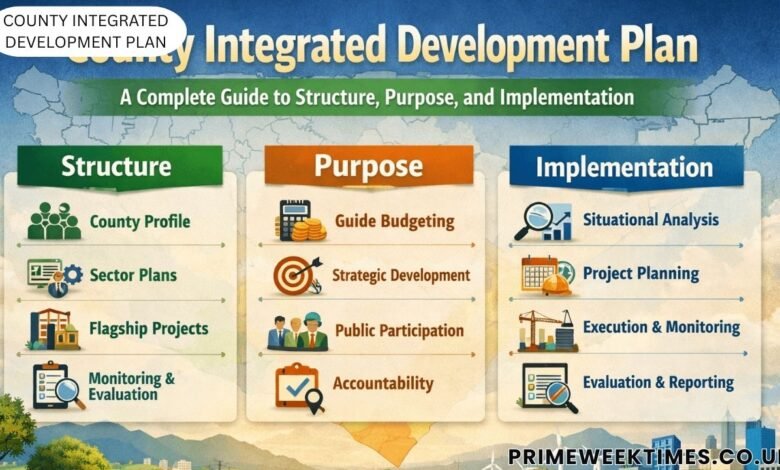
A county integrated development plan is an important strategic framework used by local governments to guide economic growth, social development, and infrastructure planning within a county or regional administrative area. It provides a long-term vision for development and outlines priorities that help improve the quality of life for residents while supporting sustainable progress.
Local governments rely on structured planning systems to manage resources effectively and ensure balanced development across different sectors. The county integrated development plan serves as a roadmap that coordinates development projects, public services, and policy decisions within a county. By identifying key goals and priorities, the plan helps government authorities allocate resources and implement projects that address community needs.
One of the main objectives of a county integrated development plan is to align development activities across various sectors such as education, healthcare, infrastructure, agriculture, and economic growth. Instead of implementing isolated projects, the integrated approach ensures that different development initiatives support each other and contribute to overall progress.
Public participation is another important element of the planning process. Local residents, community organizations, and businesses often contribute their perspectives and suggestions during the preparation of the plan. This involvement ensures that development priorities reflect the needs and expectations of the community.
Understanding the county integrated development plan helps citizens appreciate how local governments organize development strategies and create sustainable plans that guide progress over several years.
Understanding the Meaning of County Integrated Development Plan
The county integrated development plan is a comprehensive planning document designed to guide development activities within a specific county over a defined period. It integrates economic, social, environmental, and infrastructural development goals into a unified strategy.
The word “integrated” in the plan highlights the importance of coordination between different sectors. Development in one sector often affects others. For example, improvements in transportation infrastructure can support economic growth, enhance access to healthcare, and improve educational opportunities.
A county integrated development plan typically includes detailed information about current development conditions within the county. This may involve analyzing population trends, economic activities, environmental conditions, and public service needs.
Based on this analysis, planners identify key priorities and set measurable goals that guide development efforts. These goals may focus on improving roads, expanding public services, supporting agriculture, strengthening local businesses, or enhancing environmental sustainability.
The plan also outlines the roles of various government departments and agencies responsible for implementing development programs. Clear responsibilities help ensure that projects are completed efficiently and that resources are used effectively.
Through this structured planning approach, county integrated development plans help local governments manage development in a coordinated and strategic manner.
Objectives of a County Integrated Development Plan
The county integrated development plan is designed to achieve several important objectives that support balanced and sustainable regional growth. One primary objective is to provide a clear vision for the future development of the county.
By establishing long-term goals, the plan helps guide policy decisions and development projects. This ensures that government initiatives are aligned with the overall development strategy rather than being implemented independently without coordination.
Another important objective is efficient resource allocation. Counties often operate with limited financial and human resources. A well-developed plan helps authorities prioritize projects that provide the greatest benefits to the community.
Improving service delivery is also a major goal of the county integrated development plan. Public services such as healthcare, education, water supply, and transportation are essential for community well-being. The plan helps ensure that these services are expanded and improved over time.
Economic growth is another key focus. Counties aim to support local businesses, encourage investment, and create employment opportunities for residents. Strategic development planning helps identify sectors with strong economic potential.
Environmental sustainability is also an important objective. Development plans often include strategies for protecting natural resources, managing land use responsibly, and addressing environmental challenges.
Through these objectives, the county integrated development plan helps create a balanced approach to development that benefits both current and future generations.
The Planning Process of a County Integrated Development Plan

Developing a county integrated development plan involves a detailed planning process that includes research, community participation, and strategic analysis. The process typically begins with a comprehensive assessment of the county’s current development status.
Planners gather data on population demographics, economic activities, infrastructure availability, environmental conditions, and social services. This information helps identify the strengths and challenges facing the county.
Community engagement is another critical step in the planning process. Public meetings, surveys, and consultations allow residents to share their views on development priorities. Local businesses, civil society organizations, and community leaders may also contribute valuable insights.
After collecting information and feedback, planners begin developing development strategies and objectives. These strategies outline specific projects and initiatives designed to address identified challenges and support economic and social growth.
Budget planning is also an essential part of the process. Development projects require funding, so the plan includes financial estimates and resource allocation strategies.
Once the draft plan is completed, it may undergo review and approval by local government authorities. After approval, the county integrated development plan becomes the official framework guiding development projects within the county.
Importance of County Integrated Development Plan in Governance
The county integrated development plan plays a significant role in improving governance and ensuring accountability in local government operations. By providing a clear development framework, the plan helps government officials make informed decisions about public investments and policy implementation.
One important benefit of the plan is transparency. When development priorities and project plans are clearly documented, citizens can better understand how public resources are being used.
Accountability is another key advantage. Government departments responsible for implementing projects must report progress and ensure that activities align with the approved development plan.
The plan also improves coordination among different government agencies. Development initiatives often involve multiple departments, and the integrated approach helps ensure that these departments work together effectively.
In addition, the county integrated development plan supports long-term stability in governance. Even when political leadership changes, the development plan provides continuity by maintaining established development goals and strategies.
Through these functions, the county integrated development plan strengthens the effectiveness and reliability of local governance systems.
Benefits of Implementing a County Integrated Development Plan
Implementing a county integrated development plan provides numerous benefits for both government authorities and local communities. One major benefit is improved infrastructure development. Roads, water systems, and public facilities can be planned and implemented more efficiently when guided by a structured development strategy.
Economic opportunities also increase when development plans support local industries and encourage investment. Businesses benefit from improved infrastructure and supportive policies that create favorable environments for growth.
Community well-being is another important benefit. Development plans often focus on improving healthcare services, expanding educational opportunities, and enhancing public safety.
Environmental protection is also supported through integrated planning. Development projects are designed to consider environmental impacts and promote sustainable resource management.
Another benefit is enhanced community participation. When residents contribute to the planning process, they feel more connected to development initiatives and are more likely to support local projects.
These benefits demonstrate how county integrated development plans contribute to long-term regional prosperity and social progress.
Future Outlook of County Integrated Development Plans
As development challenges evolve, the future of the county integrated development plan will likely involve greater use of technology and data-driven decision-making. Modern planning tools allow governments to analyze economic trends, population growth, and environmental conditions more accurately.
Digital technologies such as geographic information systems (GIS) are increasingly used to map development projects and analyze land use patterns. These tools help planners make more informed decisions about infrastructure and resource allocation.
Sustainability will also remain a central focus of future development plans. Counties must address challenges such as climate change, resource conservation, and environmental protection while supporting economic growth.
Public participation is expected to expand through digital platforms that allow residents to contribute feedback and monitor development progress.
By adapting to technological advancements and emerging challenges, county integrated development plans will continue to guide sustainable regional development in the years ahead.
Conclusion
The county integrated development plan is a vital planning tool that helps local governments manage development effectively and responsibly. By integrating economic, social, environmental, and infrastructure goals into a unified strategy, the plan provides a clear roadmap for regional progress.
Through careful planning, community participation, and strategic implementation, counties can address development challenges and create opportunities for growth. The integrated approach ensures that development initiatives support one another and contribute to long-term prosperity.
As communities continue to evolve, the county integrated development plan will remain an essential framework for guiding sustainable development, improving governance, and enhancing the quality of life for residents.
Also read: Decobrydecobry Explained: Meaning, Trends and Digital Growth