
Complete Guide to Scotch Bonnet: Heat, Flavor, Origins, and Culinary Uses
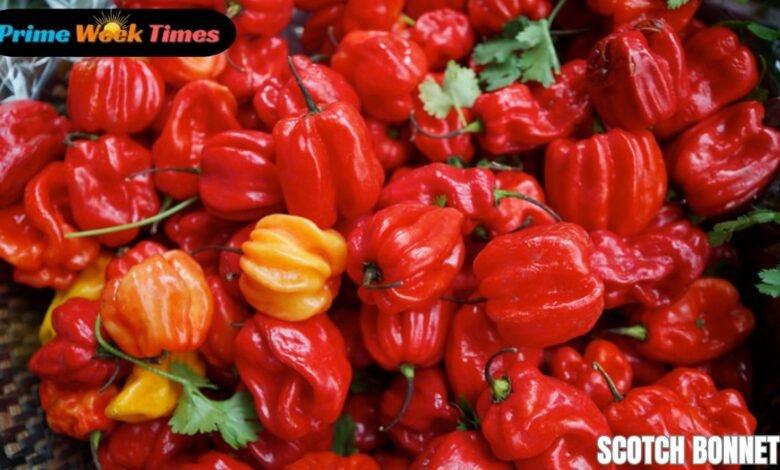
Few peppers in the world are as legendary, flavorful, and fiery as the scotch bonnet. Known for its distinctive shape, intense heat, and tropical fruitiness, the scotch bonnet has become an essential part of Caribbean cuisine and a favorite among hot pepper enthusiasts. It’s not just a pepper—it’s a cultural symbol, a culinary tool, and a key to unlocking the most authentic island flavors.
This article explores everything you need to know about the scotch bonnet—its history, taste, heat level, cooking uses, cultivation, and health benefits. Written in a smooth, natural human tone, this guide helps you understand why the scotch bonnet is loved worldwide.
What Is a Scotch Bonnet?
The scotch bonnet is a hot chili pepper belonging to the Capsicum chinense species—the same species that includes the famous habanero. However, the scotch bonnet has a flavor and identity completely of its own.
It gets its name because its shape resembles a “Tam o’ Shanter,” a traditional Scottish bonnet hat. Despite the name, the pepper isn’t Scottish—it’s most closely tied to the Caribbean, where it’s used in countless national dishes.
You can recognize a scotch bonnet by:
- Its roundish, bonnet-like shape
- Its glossy, bright-colored skin
- Hues ranging from yellow to orange to red
- A fruity aroma that’s unmistakably tropical
This pepper is as beautiful as it is powerful.
The Heat Level of the Scotch Bonnet
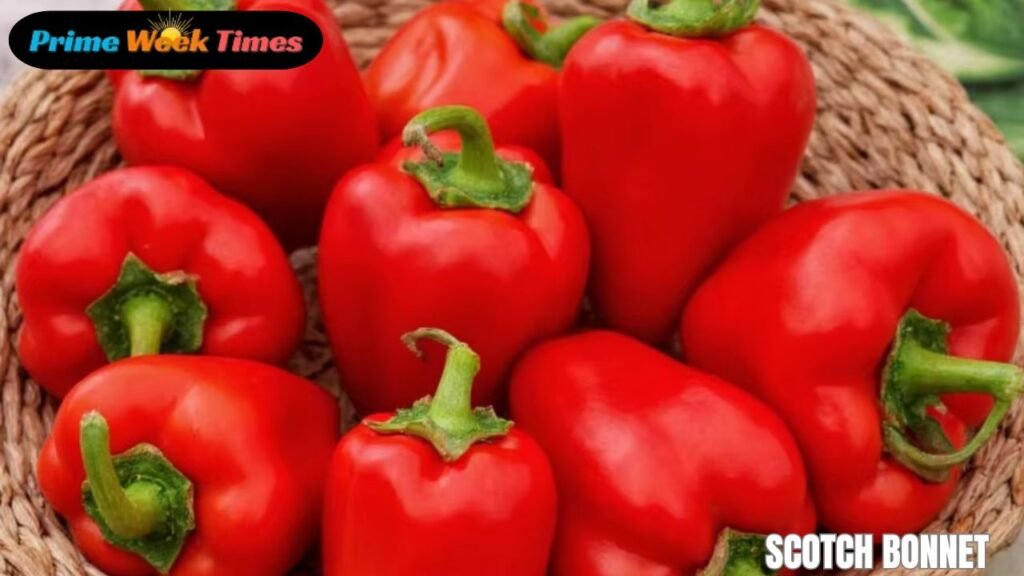
When it comes to heat, the scotch bonnet is not for the faint of heart. It ranks between 100,000 and 350,000 Scoville Heat Units (SHU), making it significantly hotter than jalapeños and even hotter than many other commonly used peppers.
To compare:
- Jalapeño: 2,500–8,000 SHU
- Cayenne: 30,000–50,000 SHU
- Scotch Bonnet: 100,000–350,000 SHU
- Ghost Pepper: 1,000,000+ SHU
What makes the scotch bonnet special is that its heat comes with a sweet, fruity flavor—a rare combination that gives dishes both fire and complexity.
Flavor Profile: What Makes the Scotch Bonnet So Unique?
The magic of the scotch bonnet lies in its flavor. Unlike many extremely hot peppers that focus mostly on heat, the scotch bonnet offers a rich, fruity taste that adds depth to dishes.
Common flavor notes include:
- Tropical fruit
- Mango
- Pineapple
- Apple
- Floral sweetness
- Warm spice
This balance of heat and sweetness is why chefs and home cooks love using the scotch bonnet—it transforms the dish rather than overwhelming it.
Origins and Cultural Significance
The scotch bonnet is deeply rooted in the Caribbean, where it’s considered a culinary treasure. It’s especially important in Jamaica, Trinidad, Barbados, Grenada, and other islands where spicy, flavorful food is a central part of culture.
Historic Roots
The pepper originated in the Caribbean and Central America. Indigenous peoples cultivated extremely hot peppers for centuries, using them for:
- Cooking
- Medicine
- Trade
- Preserving meat
- Rituals
Over time, the scotch bonnet became a symbol of Caribbean heat and flavor, defining iconic recipes that spread across the world.
Cultural Importance
Today, scotch bonnet peppers appear in:
- National dishes
- Traditional sauces
- Street food
- Community celebrations
- Family recipes passed down for generations
In many households, a dish simply isn’t complete without the unmistakable aroma and heat of the scotch bonnet.
Culinary Uses of Scotch Bonnet Peppers
The scotch bonnet is a versatile pepper that can elevate any dish needing both intensity and flavor. It’s used cooked, fresh, pickled, dried, and blended.
Essential in Caribbean Cuisine
Here are some famous dishes that rely on the scotch bonnet:
- Jamaican jerk chicken
- Trinidadian pepper sauce
- Caribbean curries
- Rice and peas
- Oxtail stew
- Saltfish dishes
- Brown stew chicken
- Escovitch fish
- Callaloo
Without the scotch bonnet, these dishes lose a significant part of their character.
In Sauces and Marinades
Because of its flavor, the scotch bonnet is ideal for:
- Hot sauces
- Marinades
- Pickles
- Spiced oils
- Seasoning bases
Even adding a small amount can transform the entire dish.
In Everyday Cooking
Cooks often use scotch bonnet peppers to add zing to:
- Soups
- Stews
- Beans
- BBQ sauces
- Vegetable dishes
- Stir-fries
- Meat and seafood meals
A single pepper can season a large pot, making it both economical and powerful.
Handling and Safety Tips
The scotch bonnet is extremely hot, so handling requires care:
- Wear gloves when cutting
- Avoid touching your eyes or face
- Use a sharp knife to prevent slipping
- Wash hands thoroughly after handling
- Keep children away while preparing hot peppers
If you accidentally get pepper burn, remedies include:
- Milk
- Yogurt
- Olive oil
- Dish soap
- Baking soda paste
Water alone makes the heat worse, so avoid using it for burns.
How to Cook with Scotch Bonnet Without Overwhelming Your Dish
To enjoy the full flavor without excessive heat, consider these techniques:
1. Use the Whole Pepper Without Cutting
Adding it whole to a pot gives flavor without adding too much heat.
2. Remove the Seeds and Membranes
This reduces the heat dramatically.
3. Use Thin Slices
A thin slice adds flavor and aroma without overpowering the meal.
4. Make a Pepper Base
Cooking the pepper into a paste with onions, garlic, and herbs balances the heat.
5. Mix with Sweet Ingredients
Mango, pineapple, and honey pair beautifully with the pepper’s tropical notes.
Growing Scotch Bonnet Peppers
For gardeners, growing scotch bonnet peppers can be rewarding.
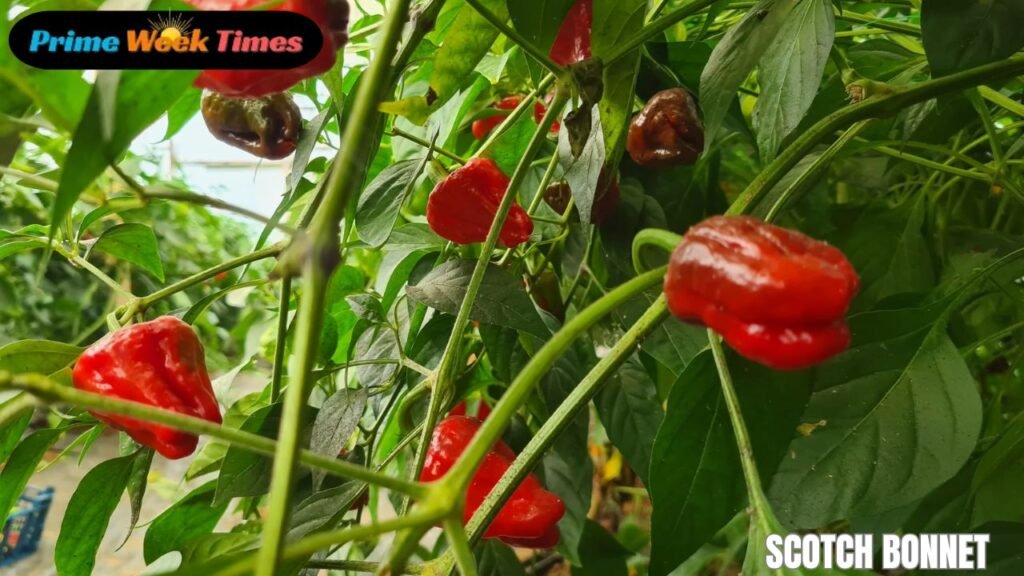
Ideal Climate
The scotch bonnet thrives in:
- warm temperatures
- full sun
- humid environments
- well-drained soil
Caribbean-like conditions create the best flavor and heat.
Growing Tips
- Start seeds indoors if you live in cooler climates
- Transplant after frost danger has passed
- Provide consistent watering
- Fertilize lightly
- Harvest when the peppers are fully colored
The pepper plants are productive and can yield dozens of peppers in a single season.
Health Benefits of Scotch Bonnet Peppers
The scotch bonnet offers more than heat—it contains beneficial nutrients and compounds.
Key Health Benefits
- High in vitamin C
- Rich in antioxidants
- Supports metabolism
- May boost immunity
- Contains capsaicin, known for anti-inflammatory properties
- May improve digestion
- Aids in cardiovascular health
Of course, moderation is important due to the pepper’s intense heat.
Myths and Misconceptions About Scotch Bonnet
Because of its reputation, the scotch bonnet has inspired several myths.
“It’s too hot to eat.”
False. When used correctly, it adds incredible flavor.
“Scotch bonnet and habanero are the same.”
False. They are related but have different flavor profiles.
“The seeds are the hottest part.”
Partially true—the membranes (ribs) actually hold the most capsaicin.
“You must eat it fresh.”
False. It’s delicious dried, pickled, or cooked.
Why the Scotch Bonnet Remains One of the World’s Favorite Peppers
The scotch bonnet continues to stand out due to:
- its unmatched balance of heat and fruitiness
- its deep cultural roots
- its essential role in Caribbean cuisine
- its incredible versatility
- its ability to transform any dish it touches
Whether you’re a chef, home cook, gardener, or food enthusiast, the scotch bonnet offers a culinary experience unlike any other.
Conclusion: A Pepper with Fire, Flavor, and Cultural Soul
The scotch bonnet is more than its heat level—it is a cultural icon, a flavor powerhouse, and a beloved ingredient that adds life, depth, and authenticity to countless dishes. Its combination of fiery spice and fruity sweetness makes it one of the most celebrated peppers in the world.
From traditional Caribbean meals to modern fusion dishes, the scotch bonnet continues to inspire creativity and bring warmth to kitchens everywhere.
FAQs About Scotch Bonnet
1. How hot is a scotch bonnet compared to a jalapeño?
A scotch bonnet can be 20 to 40 times hotter than a jalapeño.
2. What does a scotch bonnet taste like?
It has a fruity, tropical sweetness combined with intense heat, often described as tasting like mango or pineapple with spice.
3. Can I substitute habaneros for scotch bonnets?
Yes, but the flavor will differ. Habaneros are less fruity and slightly sharper in taste.
4. How do I reduce the heat of a scotch bonnet?
Remove seeds and membranes or use the pepper whole in cooking without cutting into it.
5. Are scotch bonnet peppers healthy?
Yes. They are rich in vitamins, antioxidants, and capsaicin, offering various health benefits.