
Mannacote: Meaning, Italian-American Food Traditions, Ingredients, Preparation, and Everything to Know
Introduction to Mannacote
Food has a special ability to connect people with different cultures, family traditions, and generations. Some dishes become popular because of their unique ingredients, while others remain memorable because of the stories and experiences associated with them. Mannacote is an interesting food-related keyword that attracts attention from people looking for information about Italian-American cooking, stuffed pasta, traditional recipes, and homemade comfort food.
When people search for mannacote, they are generally looking for information connected with manicotti, a well-known stuffed pasta dish associated with Italian-American cuisine. The two terms are closely connected in online food discussions, although manicotti is the established culinary spelling. Mannacote is better understood as an informal or phonetic spelling rather than a separately established Italian pasta name.
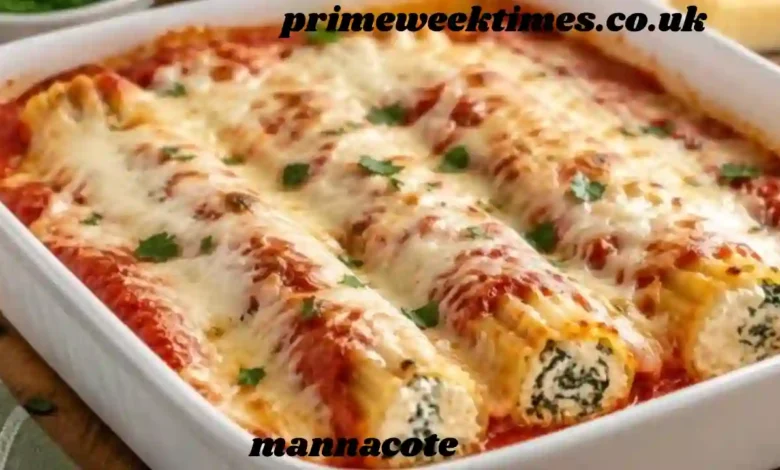
The dish associated with this keyword is known for its large pasta tubes, creamy cheese filling, flavorful tomato sauce, and melted cheese topping. Depending on the recipe, it can include ricotta, mozzarella, Parmesan, spinach, ground meat, herbs, and different seasonings. These ingredients create a satisfying combination of textures and flavors that makes stuffed pasta suitable for family dinners, celebrations, and special occasions.
Understanding mannacote involves more than looking at a plate of pasta. It also means exploring the relationship between traditional Italian cooking and Italian-American food culture. The following guide examines its meaning, culinary background, ingredients, preparation techniques, popular variations, serving suggestions, and practical cooking considerations.
What Is Mannacote?
Mannacote is a term commonly associated with manicotti, a traditional Italian-American-style stuffed pasta preparation. The familiar dish consists of large pasta tubes filled with a mixture of cheese, vegetables, or meat. The filled pasta is arranged in a baking dish, covered with tomato sauce, topped with additional cheese, and cooked in an oven until everything becomes hot and tender.
The most recognizable version uses ricotta cheese as its primary filling ingredient. Ricotta provides a soft, creamy texture and a mild flavor that works particularly well with tomato-based sauces. Mozzarella adds a smooth, stretchy consistency, while Parmesan contributes a stronger, slightly salty flavor. Fresh parsley, basil, black pepper, and other seasonings help balance the richness of the cheese.
Although the word mannacote appears in online food searches, it is important to understand the difference between the informal spelling and the established name of the dish. Manicotti is the standard culinary term used in American recipes and food references. Therefore, people searching for mannacote recipes will generally find more established cooking information by exploring manicotti as well.
One of the reasons this dish remains appealing is its flexibility. Home cooks can prepare it with a simple cheese filling or experiment with vegetables, mushrooms, chicken, ground beef, and different sauces. This flexibility makes it suitable for different preferences without changing the basic concept of stuffed pasta.
The Meaning and Possible Origin of Mannacote
The meaning of mannacote becomes easier to understand when examining the established Italian word manicotti. The name manicotti is connected to the Italian word manica, meaning sleeve. This description relates naturally to the shape of the pasta, which forms a hollow covering that can hold a delicious filling.
The spelling mannacote does not have the same established dictionary status as manicotti. It is best treated cautiously as a possible phonetic or informal spelling associated with the familiar stuffed pasta dish. There is not enough reliable historical evidence to assign it a separate ancient Italian origin or claim that it represents an entirely different traditional recipe.
Food terminology often changes as recipes move between languages and communities. People may learn the name of a dish by hearing it spoken at home, in a restaurant, or during a family gathering. When they later search for it online, they sometimes use the spelling that most closely resembles the pronunciation they remember.
This process helps explain why different spellings can appear around familiar foods. Italian-American cuisine contains many examples of culinary words that have developed different pronunciations over generations.
For anyone researching mannacote, understanding this distinction is useful because it separates the search keyword from the better-documented culinary tradition behind it.
Mannacote and Italian-American Food Culture
Italian-American cuisine developed through generations of migration, family cooking, regional influences, and the availability of ingredients in the United States. Italian immigrants brought cooking knowledge and traditional recipes with them, adapting familiar dishes to new surroundings.
Stuffed pasta became an important part of this broader food culture because it offered an enjoyable way to combine pasta, cheese, meat, vegetables, and sauces in one satisfying meal.
Manicotti fits naturally into this tradition. Its preparation can involve homemade pasta, commercially available pasta tubes, or thin crepes. Families often develop their own preferred combinations of fillings and sauces, resulting in recipes that differ from one household to another.
For many families, preparing stuffed pasta is also a social activity. One person may prepare the filling, another may cook the pasta, and someone else may arrange the tubes inside the baking dish. These shared cooking experiences can make a meal memorable beyond its ingredients.
Mannacote, when used as an informal name for this dish, can therefore introduce readers to a much wider culinary subject: the relationship between language, migration, family traditions, and Italian-American cooking.
Main Ingredients Used in Mannacote
The ingredients used in mannacote-style recipes are relatively simple, but their quality and preparation can make a noticeable difference to the final dish. Most traditional manicotti recipes combine pasta, a creamy filling, tomato sauce, herbs, and cheese.
1. Manicotti Pasta Tubes
Large manicotti pasta tubes provide the outer structure of the dish. They are designed to hold fillings without falling apart during preparation and baking. Their hollow interiors make them particularly suitable for cheese-based mixtures.
Some cooks prefer commercially produced dried pasta because it is convenient and provides consistent shapes. Others use homemade pasta sheets or crepes to create a softer texture.
When selecting pasta, it is important to consider the cooking instructions on the package. Some varieties require partial boiling before filling, while others can be prepared using different methods.
2. Ricotta Cheese
Ricotta is one of the most important ingredients in a classic cheese filling. It has a mild flavor and soft consistency that makes it easy to combine with herbs, eggs, and other cheeses.
Good-quality ricotta should have a creamy texture without excessive liquid. If it contains too much moisture, the filling can become watery and affect the finished dish.
Many home cooks drain ricotta before mixing it with the remaining ingredients. This simple preparation step helps create a thicker filling that stays inside the pasta tubes.
3. Mozzarella Cheese
Mozzarella contributes the familiar melted-cheese texture associated with baked pasta. It can be mixed into the filling, sprinkled over the sauce, or used in both places.
Low-moisture mozzarella is often convenient for baked recipes because it releases less liquid than fresh mozzarella. However, fresh mozzarella can also work when prepared carefully.
The amount used depends on personal preference. Some recipes emphasize a creamy ricotta filling, while others include generous quantities of mozzarella for a richer result.
4. Parmesan Cheese
Parmesan provides a more concentrated flavor than ricotta and mozzarella. Its slightly salty and savory characteristics balance the mildness of the other cheeses.
Freshly grated Parmesan is a useful choice because it mixes easily into the filling and provides a flavorful topping. A small amount can make a noticeable difference without overwhelming the other ingredients.
5. Tomato or Marinara Sauce
Tomato sauce gives mannacote-style pasta much of its familiar Italian-American character. It surrounds the pasta, prevents the outer layer from drying excessively, and brings acidity that balances the rich cheese filling.
Marinara is a popular choice because it combines tomatoes with ingredients such as garlic, olive oil, herbs, and seasonings.
Homemade tomato sauce can provide a fresh flavor, while a good-quality prepared sauce makes the cooking process quicker. The important thing is to use enough sauce to cover the pasta without making the baking dish excessively watery.
6. Herbs and Seasonings
Herbs and seasonings help bring the filling together. Parsley, basil, oregano, garlic, and black pepper are common choices.
Fresh parsley adds a light herbal flavor, while basil works particularly well with tomato sauce. Garlic provides depth, and black pepper adds gentle warmth.
The seasoning should complement the cheese rather than overpower it. A balanced filling allows the individual ingredients to remain recognizable.
How to Prepare Mannacote at Home
Preparing mannacote-style stuffed pasta can be an enjoyable cooking project. Although the dish may look complicated when served at a restaurant, the basic process is manageable when divided into smaller steps.
The following method describes a classic cheese-filled manicotti preparation.
Step 1: Prepare the Ingredients
Begin by gathering the pasta tubes, ricotta, mozzarella, Parmesan, tomato sauce, eggs, parsley, and seasonings.
Measure the ingredients before starting. This makes the preparation process easier and reduces the chances of forgetting something important.
If the ricotta contains excess liquid, drain it using a fine strainer. Prepare the tomato sauce separately if making it from scratch.
Step 2: Cook the Pasta
Bring a large pot of water to a boil and follow the cooking instructions provided with the pasta.
If the recipe requires boiling before filling, cook the tubes until they are slightly firm rather than completely soft. This approach helps prevent the pasta from breaking during filling and baking.
Drain the pasta carefully and arrange the tubes separately on a clean surface or lightly oiled tray. Allow them to cool enough to handle safely.
Some recipes use uncooked pasta with additional sauce and a longer baking process. This method should only be used when the particular pasta and recipe are suitable for it.
Step 3: Make the Cheese Filling
Place the ricotta in a large mixing bowl. Add mozzarella, grated Parmesan, an egg, chopped parsley, black pepper, and a suitable amount of seasoning.
Mix everything until the ingredients are evenly combined.
The filling should be thick enough to hold its shape but soft enough to pass through a piping bag or spoon. If the mixture becomes too loose, additional drained ricotta or a small amount of grated cheese can help improve its consistency.
Step 4: Fill the Pasta Tubes
Transfer the prepared cheese mixture into a piping bag or a clean plastic food bag with a small corner opening.
Carefully fill each pasta tube from one end, making sure the mixture reaches the interior rather than remaining concentrated in one section.
Avoid applying excessive pressure because the pasta may split. A spoon can also work, although a piping bag generally provides better control.
Step 5: Prepare the Baking Dish
Spread a layer of tomato or marinara sauce across the bottom of an oven-safe baking dish.
Place the filled pasta tubes side by side. They should fit comfortably without being crushed together.
Pour additional sauce over the pasta, making sure the exposed surfaces receive sufficient coverage.
Sprinkle mozzarella and Parmesan over the top according to your preferred cheese quantity.
Step 6: Bake Until Ready
Preheat the oven according to the recipe instructions, commonly around 180°C to 190°C.
Cover the baking dish with foil if necessary to prevent the cheese from browning too quickly. Bake until the pasta is tender and the filling is thoroughly heated.
Remove the foil toward the end of cooking if you want a more golden cheese topping.
The exact cooking time depends on whether the pasta was previously boiled, the thickness of the tubes, and the particular recipe being followed.
Step 7: Allow the Dish to Rest
Once the pasta is finished, remove the baking dish carefully and allow it to rest for several minutes.
This resting period helps the sauce settle and makes serving easier. It also reduces the likelihood of the filling spilling out immediately when the pasta is transferred to plates.
Serve warm with additional Parmesan, fresh herbs, or a side salad.
Popular Mannacote Filling Variations
One of the most appealing aspects of mannacote-style pasta is the variety of fillings available. Although ricotta and mozzarella create the familiar cheese version, there are many ways to adapt the dish.
Traditional Ricotta and Cheese Filling
The ricotta-based version is one of the most recognizable preparations. It combines ricotta, mozzarella, Parmesan, egg, parsley, and seasonings.
Its flavor is mild, creamy, and satisfying. This variation is particularly suitable for people who enjoy traditional Italian-American comfort food.
Spinach and Ricotta Filling
Spinach and ricotta create a popular vegetarian combination. The spinach contributes an earthy flavor and introduces vegetables into an otherwise cheese-focused dish.
Fresh or frozen spinach can be used, provided excess moisture is removed before mixing. This is especially important because watery spinach can make the filling difficult to handle.
The mixture can include Parmesan, mozzarella, garlic, and black pepper for additional flavor.
Ground Beef Filling
Ground beef provides a heartier alternative for people who prefer meat-based pasta dishes.
Cook the beef thoroughly with suitable seasonings before allowing it to cool. It can then be combined with ricotta, Parmesan, herbs, or other ingredients.
The finished mixture should remain moist but not excessively oily. Removing excess grease helps prevent the filling from becoming heavy.
Italian Sausage Filling
Italian sausage can introduce a stronger, more seasoned flavor. It works well with tomato sauce, ricotta, and mozzarella.
The sausage should be cooked thoroughly before being incorporated into the filling. Depending on its seasoning, additional salt may not be necessary.
Mushroom and Cheese Filling
Mushrooms provide an earthy taste and a soft texture that complement ricotta and Parmesan.
Cook the mushrooms before adding them to the filling so that excess moisture evaporates. Garlic, parsley, and black pepper can further improve the flavor.
This is another useful option for people who want a vegetarian alternative to meat-based stuffed pasta.
Different Sauces That Complement Mannacote
The sauce used in a stuffed pasta recipe can influence the entire eating experience. Tomato-based sauce is a familiar choice, but other options can create different flavor combinations.
Classic Marinara Sauce
Marinara is among the most suitable sauces for cheese-filled manicotti. Its tomato flavor balances the richness of ricotta and mozzarella.
Garlic, olive oil, basil, and oregano can add additional depth. The sauce should have enough consistency to coat the pasta while remaining easy to spread across the baking dish.
Homemade Tomato Sauce
Homemade tomato sauce allows cooks to control the ingredients and flavor. Fresh or canned tomatoes can be simmered with garlic, onions, herbs, and olive oil.
Longer simmering can develop a deeper flavor, although a simple sauce can also work very well.
Creamy White Sauce
A creamy white sauce offers an alternative to tomato-based preparations. It can be made using milk, butter, flour, and suitable seasonings.
This style pairs particularly well with spinach, mushrooms, and certain cheese fillings.
Combination Sauce
Some recipes combine tomato sauce with a creamy white sauce. The result is a richer preparation with a balance of acidity and creaminess.
The proportions can be adjusted according to personal preference, although using too much sauce may make the dish unnecessarily heavy.
Mannacote vs. Manicotti and Cannelloni
People searching for mannacote may also encounter manicotti and cannelloni. These terms are closely related, but understanding their differences helps avoid confusion.
| Feature | Mannacote | Manicotti | Cannelloni |
|---|---|---|---|
| Name status | Informal spelling | Established culinary term | Established Italian term |
| Food connection | Usually associated with manicotti | Stuffed pasta | Stuffed pasta |
| Typical shape | Large filled tubes | Large pasta tubes | Rolled pasta sheets or tubes |
| Common filling | Cheese or meat | Ricotta, cheese, vegetables, or meat | Cheese, vegetables, or meat |
| Preparation | Usually baked | Usually baked | Usually baked |
| Common sauce | Tomato-based | Tomato-based or other sauces | Tomato or béchamel |
The most important point is that mannacote is not a well-established separate pasta category. It is generally used in searches and informal descriptions associated with manicotti.
Manicotti is particularly familiar in Italian-American cooking, while cannelloni is the established Italian name for another type of stuffed pasta preparation.
Traditional cannelloni is commonly prepared using pasta sheets rolled around a filling. Manicotti recipes frequently use large preformed pasta tubes, although homemade crepes are also used in some preparations.
Both dishes share the same general idea: pasta surrounds a flavorful filling before being cooked with sauce.
Nutritional Value and Dietary Considerations
Mannacote-style pasta can provide several nutrients, depending on the ingredients and portion size. Pasta supplies carbohydrates, which provide energy, while ricotta, mozzarella, and Parmesan contribute protein, calcium, and fat.
Adding spinach, mushrooms, or other vegetables can increase the amount of fiber and provide additional vitamins and minerals. Meat-based fillings may contribute additional protein and nutrients such as iron and vitamin B12.
However, the nutritional composition can vary considerably between recipes. A preparation containing generous quantities of cheese, oil, and meat sauce may have more calories, saturated fat, and sodium than a lighter vegetable-based version.
Can Mannacote Be Made Healthier?
Yes. Several ingredient adjustments can make the dish lighter without removing its familiar character.
- Use part-skim ricotta and mozzarella to reduce some of the fat.
- Add spinach, mushrooms, or other vegetables to the filling.
- Control the quantity of Parmesan and mozzarella used as toppings.
- Choose a tomato sauce with less added salt and sugar.
- Consider whole-wheat pasta for additional dietary fiber.
- Serve moderate portions alongside a fresh vegetable salad.
People with specific dietary requirements should also check the ingredients carefully. Traditional recipes may contain wheat, dairy, and eggs, making them unsuitable for certain allergies or dietary restrictions without appropriate substitutions.
How to Serve Mannacote
Presentation can make a homemade pasta dish feel more special. Mannacote-style stuffed pasta is generally served warm, with each portion containing several filled tubes covered in sauce.
A little freshly grated Parmesan can be added immediately before serving. Chopped parsley or basil provides a fresh appearance and introduces a light herbal flavor.
The dish also pairs well with simple side dishes. Garlic bread is a popular accompaniment because it can be used to enjoy the remaining sauce. A green salad with a light dressing provides freshness and balances the richness of the cheese filling.
Roasted vegetables are another suitable option. Zucchini, carrots, broccoli, and bell peppers can complement the pasta without competing with its main flavors.
For a larger family meal, stuffed pasta can be served alongside soup, bread, and a selection of vegetables. However, because the dish is already filling, smaller side portions are usually sufficient.
Is Mannacote Suitable for Family Gatherings and Special Occasions?
Stuffed pasta is particularly useful for family gatherings because much of the preparation can be completed before guests arrive.
The filling can be prepared in advance, the pasta can be filled, and the baking dish can be assembled before cooking. This makes it easier to organize meals when several people are expected.
Another advantage is that the recipe can be adjusted to accommodate different preferences. One baking dish can contain a traditional cheese filling, while another can use spinach, mushrooms, or meat.
Mannacote-style pasta can also be included in holiday meals, weekend dinners, and informal celebrations. Its appearance makes it suitable for serving directly from a large baking dish at the center of the table.
For larger gatherings, preparing individual portions in smaller baking dishes can make serving easier. It also allows cooks to prepare different fillings without mixing them together.
Preparing Mannacote Ahead of Time
Preparing stuffed pasta ahead of time can save considerable effort, especially when cooking for a large group.
The filling can be mixed earlier in the day and stored in a covered container in the refrigerator. The pasta can then be filled and arranged in a baking dish when convenient.
Alternatively, the complete unbaked dish can be assembled ahead of time. Keep it covered and refrigerated, and follow an appropriate food-safety procedure for storage and cooking.
When baking a chilled dish, additional cooking time may be required because the ingredients begin at a lower temperature. Always check that the center is thoroughly heated before serving.
If preparing the dish several days in advance is necessary, freezing may be a more practical option. Use a suitable freezer-safe container, protect the dish against freezer burn, and label it with the preparation date.
Thawing and reheating instructions depend on the recipe and whether the pasta was cooked before freezing. Follow safe food-handling guidance and ensure the filling reaches a safe temperature.
Storing and Reheating Leftover Mannacote
Leftover stuffed pasta can remain enjoyable after the initial meal when it is stored correctly.
Allow the food to stop steaming heavily, then transfer it into shallow, airtight containers and refrigerate it promptly. Perishable food should not remain at room temperature for extended periods.
For best quality, refrigerated leftovers should generally be consumed within three to four days.
Refrigerator Storage
Place leftover portions in clean, airtight containers. Keeping individual servings separate can make reheating easier.
The sauce helps prevent the pasta from becoming excessively dry, so retaining a little sauce around each portion is useful.
Freezer Storage
For longer storage, properly packaged portions can be frozen. Use freezer-safe containers or wrapping that protects the food from air exposure.
The texture of pasta and cheese may change slightly after freezing and thawing, but careful storage can help preserve quality.
Reheating in an Oven
Place the pasta in an oven-safe dish with a little additional tomato sauce if it appears dry. Cover it to retain moisture and heat until the center is thoroughly hot.
Remove the cover near the end if you want to refresh the cheese topping.
Reheating in a Microwave
Individual servings can also be reheated in a microwave-safe container. Cover loosely to retain moisture and heat in short intervals, checking the center before eating.
According to standard food-safety guidance, reheated leftovers should reach 165°F (74°C).
Common Mistakes to Avoid When Preparing Mannacote
Even a relatively simple stuffed pasta recipe can become disappointing if certain preparation details are overlooked.
Overcooking the Pasta
Pasta that becomes too soft before filling can split during handling. If the recipe requires boiling, slightly undercooking the tubes is often helpful because they will continue cooking in the oven.
Using Watery Cheese Filling
Excess moisture in ricotta can make the filling loose and difficult to manage. Draining the cheese before mixing helps maintain a better consistency.
Adding Too Much Filling
Overfilling the tubes can cause them to split or allow the filling to escape during cooking. Fill them carefully and leave enough room for easy handling.
Using Too Little Sauce
The sauce protects the pasta from drying out during baking. An insufficient amount can result in hard or dry exposed surfaces.
Adding Excessive Cheese
Cheese is an important part of the recipe, but too much can overwhelm the other ingredients. A balanced combination creates a better overall flavor.
Serving Immediately After Baking
Allowing the dish to rest briefly helps the filling settle and makes individual portions easier to serve.
Why Are People Searching for Mannacote?
The growing visibility of unusual food-related spellings can be influenced by several factors. Search behavior, social media, family recipes, and online cooking discussions all contribute to the discovery of unfamiliar food terms.
Someone might hear the word mannacote during a conversation, see it written on a menu, or encounter it in a family recipe. Instead of knowing the established spelling, they may search using the version they remember.
Search engines then provide results that connect the keyword with manicotti, stuffed pasta, Italian-American cuisine, and recipes.
Another reason for the interest is the growing popularity of home cooking content. People regularly search for dishes that offer comforting flavors while remaining adaptable to different ingredients and cooking skills.
Mannacote is therefore an interesting keyword for readers who want to understand an unfamiliar food name and discover the dish associated with it.
It is important, however, to distinguish search popularity from historical evidence. The appearance of a term across multiple websites does not automatically establish it as an independently recognized traditional Italian dish.
Understanding the Different Contexts of Mannacote
Although the food-related meaning is the main focus of this guide, readers should understand that similar spellings can sometimes refer to unrelated things.
For example, Manna Cote is also used in horticultural product naming, including controlled-release fertilizer products. Such products have no culinary relationship with manicotti.
The surrounding information helps identify the intended meaning.
If the term appears alongside ricotta, pasta, marinara, mozzarella, and cooking instructions, the context is food-related.
If it appears alongside plant nutrients, fertilizer measurements, growing media, and gardening instructions, it may refer to a horticultural product instead.
This distinction is useful when researching unfamiliar keywords because similar names do not necessarily describe related subjects.
The Future of Traditional Stuffed Pasta Recipes
Traditional stuffed pasta continues to provide opportunities for home cooks to experiment with flavors and ingredients. Although classic cheese-filled recipes remain popular, modern cooking has introduced many alternative combinations.
Some cooks prefer vegetarian fillings, while others experiment with roasted vegetables, different cheeses, herbs, or meat combinations.
Gluten-free pasta alternatives also make it possible for some people with dietary restrictions to enjoy similar preparations. However, the availability and suitability of specific alternatives depend on their ingredients and individual dietary needs.
Another noticeable trend is the growing interest in homemade sauces and fresh ingredients. Instead of relying entirely on packaged products, home cooks increasingly prepare their own tomato sauces and fillings.
These adaptations do not have to replace traditional recipes. They simply demonstrate how familiar food can evolve while retaining its recognizable structure.
For anyone interested in mannacote, exploring the broader world of manicotti offers many opportunities to discover different preparations, cooking techniques, and family-inspired recipes.
Conclusion: Why Mannacote Remains an Interesting Food Topic
Mannacote is an interesting keyword for anyone exploring Italian-American food, stuffed pasta, and traditional comfort meals. Although the spelling is not the established culinary name, it is generally associated with manicotti, a recognizable baked pasta preparation featuring large tubes filled with cheese, vegetables, or meat.
The appeal of this dish comes from its simple ingredients and flexibility. Ricotta, mozzarella, Parmesan, tomato sauce, and fresh herbs create a satisfying combination that can be adjusted according to individual preferences. Whether prepared with a traditional cheese filling, spinach, mushrooms, or ground meat, stuffed pasta offers plenty of opportunities for creativity.
Its connection with Italian-American cooking also makes the subject worth exploring. Food traditions evolve as recipes travel between countries, families, and generations. Different pronunciations and informal spellings can become part of the way people remember familiar dishes.
Ultimately, understanding mannacote means recognizing its connection with manicotti while appreciating the broader culinary traditions behind stuffed pasta. For readers interested in homemade comfort food, its ingredients, preparation methods, and different variations provide an excellent starting point for discovering a beloved style of baked pasta.
Frequently Asked Questions (FAQs)
1. What is mannacote?
Mannacote is an informal or phonetic spelling commonly associated with manicotti, a stuffed pasta dish popular in Italian-American cuisine. It generally refers to large pasta tubes filled with cheese, vegetables, or meat, covered with sauce, and baked.
2. Is mannacote the same as manicotti?
Yes, in most food-related searches, mannacote refers to manicotti. However, manicotti is the established culinary spelling, while mannacote is not a separately recognized standard pasta name.
3. What ingredients are used to make mannacote?
Common ingredients include manicotti pasta tubes, ricotta cheese, mozzarella, Parmesan, eggs, parsley, tomato sauce, garlic, and seasonings. Some recipes also include spinach, mushrooms, ground beef, or Italian sausage.
4. Is mannacote a traditional Italian dish?
Mannacote itself is not an established traditional Italian culinary name. The dish associated with it, manicotti, is strongly connected with Italian-American cooking and the wider tradition of stuffed pasta.
5. What is the difference between mannacote and cannelloni?
Mannacote is generally associated with manicotti, which commonly uses large preformed pasta tubes. Cannelloni traditionally uses pasta sheets rolled around a filling, although both dishes involve stuffed pasta and baking.
6. Can mannacote be prepared without meat?
Yes. A cheese-based filling containing ricotta, mozzarella, Parmesan, and herbs is a popular meat-free option. Spinach and mushrooms can also be included for additional flavor and texture.
7. Which sauce is best for mannacote?
Marinara or tomato sauce is a popular choice because its slightly acidic flavor balances the richness of the cheese filling. Creamy white sauce and combinations of tomato and white sauce are also suitable.
8. Can mannacote be prepared in advance?
Yes. The filling and pasta can be prepared ahead of time, and the assembled baking dish can be refrigerated before cooking. Proper refrigeration and thorough cooking are important for food safety.
9. Is mannacote suitable for family dinners?
Yes. Stuffed pasta is convenient for family dinners because it can be prepared in larger quantities and served directly from a baking dish. Different fillings can also accommodate different food preferences.
10. Why does mannacote have a different spelling from manicotti?
The spelling may reflect an informal or pronunciation-based variation. People sometimes write unfamiliar food names according to how they hear them. However, manicotti remains the standard culinary spelling.
ALSO READ : Calamariere Explained: Meaning, Uses, Trends & Complete Guide